
The administration of US President Donald Trump is promoting a plan to restore natural gas supplies from Russia to Europe via Ukraine. Washington proposes involving an American intermediary in the sale of the fuel, and placing Russia's export revenues in a special account with restricted access.
The Wall Street Journal reported this on November 2, citing American, European, and Ukrainian officials familiar with the negotiations.
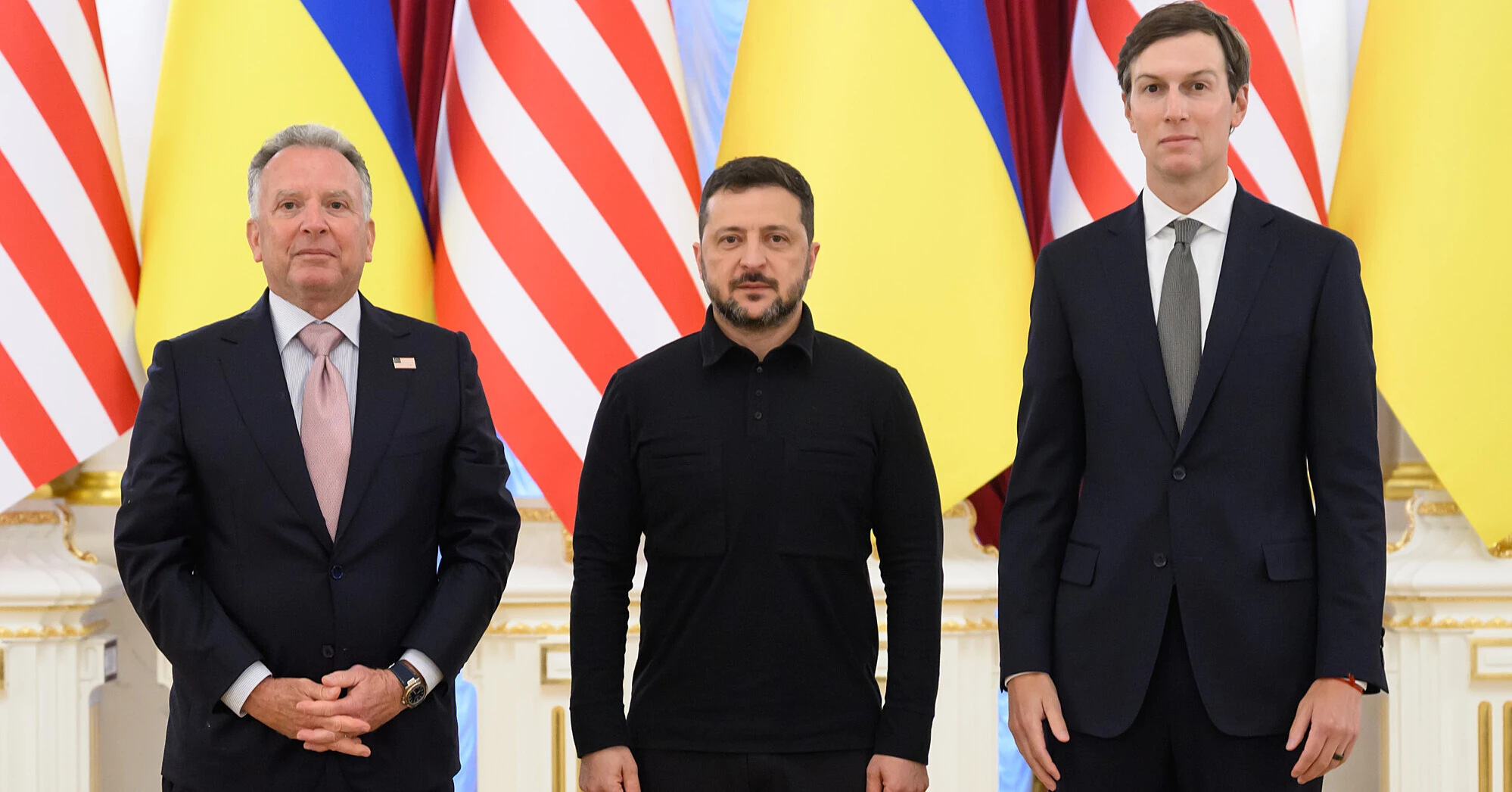
According to the publication, the initiative was discussed by US representatives Jared Kushner and Steve Witkoff during their September trips to Moscow and Kyiv. The American side views the return of Russian gas to the European market as an economic incentive for the Kremlin to agree to stop strikes on Ukraine's energy infrastructure.
A key element of the proposal is the participation of an American intermediary company. Through it, they plan to arrange the sale of Russian gas to European buyers. According to participants in the discussions, such a scheme could also create profitable opportunities for American investors.
Separately, the White House proposed transferring Russia's export revenues to a special escrow account in a third country. This is expected to limit Moscow's ability to use the funds to finance the war.
For Ukraine, resuming supplies could mean the return of transit revenues. The country's gas transmission system has been operating without transporting Russian gas since January 1, 2025, when the relevant agreements with Gazprom expired.
According to WSJ sources, the Ukrainian gas transmission route can technically be restored much faster than the damaged Nord Stream pipelines. However, this requires political agreements between the parties.
The main obstacle remains the position of the European Union. In January 2026, the EU Council finally approved a regulation on the phased phase-out of Russian gas. The full ban on imports of Russian liquefied gas will take effect from the beginning of 2027, and piped gas — in the autumn of the same year.
European rules also provide for verification of the country of origin of imported gas. Therefore, the participation of an American intermediary does not in itself remove the restrictions set by the EU.
Despite this, Washington hopes that high energy prices and problems with supplies of liquefied gas from the Middle East may force European countries to reconsider their position.
According to WSJ, the American side has intensified efforts to reach agreements on an energy ceasefire after the resumption of Ukrainian strikes on Russian oil refineries at the end of October. The discussion is taking place ahead of permanenttrilateral talks between the US, Ukraine, and Russia scheduled for mid-November in Abu Dhabi.
At the same time, Moscow has not yet agreed to the energy truce proposed by Washington. There are also no final agreements on resuming gas transit.
Sources: The Wall Street Journal, Council of the European Union, Operator of GTS of Ukraine
