
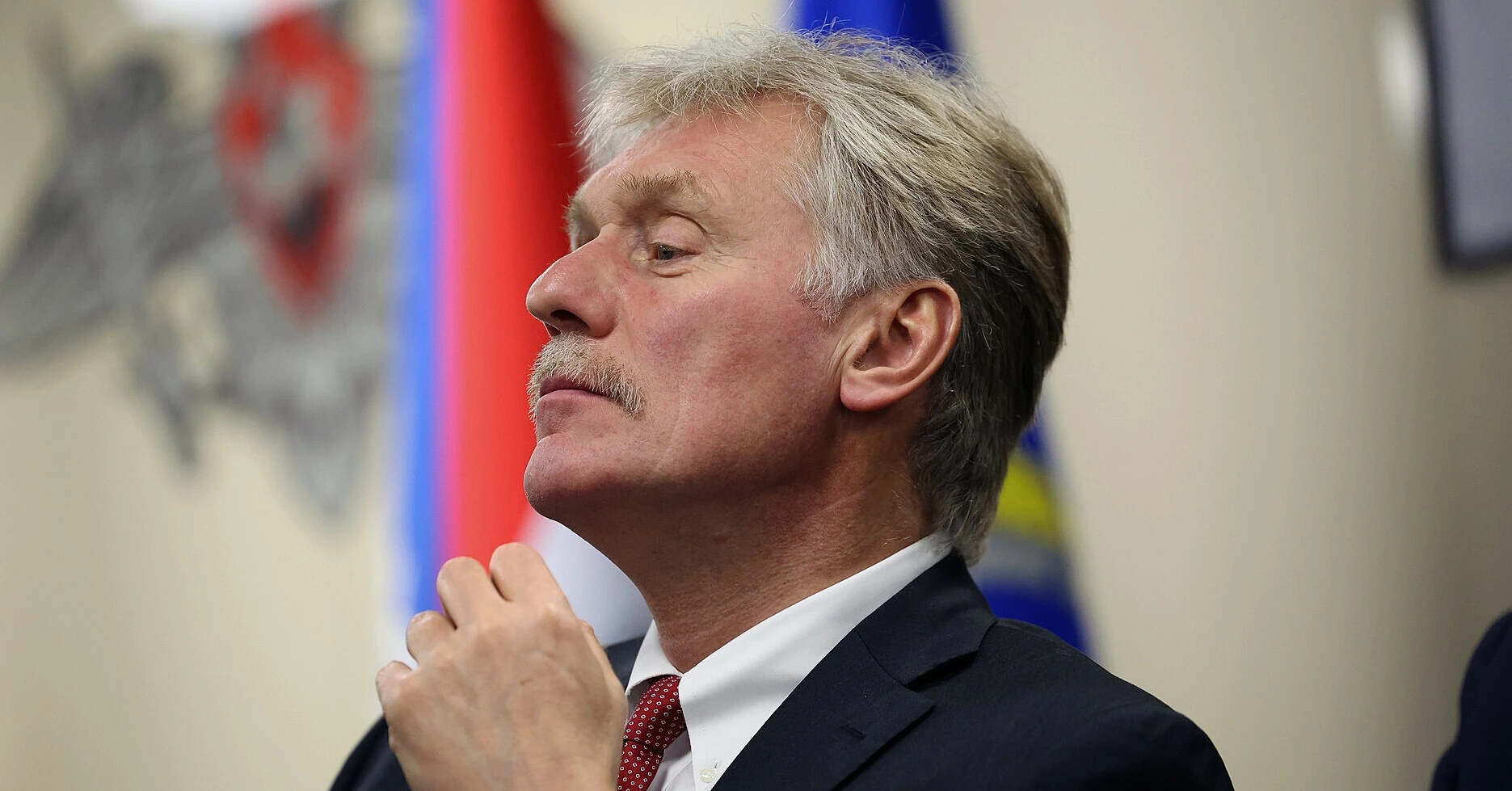
The Kremlin has stated that the restoration of Russian natural gas supplies to Europe through Ukraine is currently impossible. This was how Russian presidential spokesman Dmitry Peskov commented on reports of a US initiative to resume gas transit as part of negotiations on halting strikes on energy infrastructure.
Peskov said this on November 2, commenting on a Wall Street Journal publication about the relevant plan of the administration of US President Donald Trump.
"It is hardly possible to talk about this yet. The situation on the ground speaks more than eloquently about the impossibility of implementing such plans at this moment," the Kremlin spokesman said.
At the same time, Peskov did not rule out the possibility of returning to the issue of gas transit in the future. According to him, further developments will depend on the interest of gas buyers and sellers, as well as on the capabilities of suppliers.
The Kremlin representative stressed that Russia is considering not only the European market. He called Europe a premium destination for gas exports, but noted that the main centers of growth of the world economy, in Moscow's opinion, are now concentrated outside the European region.
At the same time, Peskov did not specify what conditions could allow the restoration of transit through Ukraine. He also did not report on specific negotiations on the implementation of the American proposal or on reaching any agreements.
US proposes restoring Russian gas supplies through Ukraine
Earlier on November 2, The Wall Street Journal reported that the Trump administration is pushing the idea of resuming Russian natural gas supplies to Europe through the Ukrainian gas transmission system.
According to the publication, Washington is considering this mechanism as part of broader negotiations on an energy truce between Ukraine and Russia ahead of the winter period.
The American proposal involves engaging a US intermediary company in selling Russian gas to European buyers. The revenue of the Russian side is planned to be placed in a special account with limited access, to make it difficult to use these funds to finance the war.
The initiative, according to WSJ, was discussed by American representatives Jared Kushner and Steve Witkoff during trips to Moscow and Kyiv in September.
For Ukraine, the restoration of transit could mean the return of revenues from the use of the gas transmission system. However, this route has not been operating for transporting Russian gas to Europe since January 1, 2025, when the transit agreement with Gazprom expired.
As previously reported "Kurs Ukrainy", the American side hopes that Russia's return to the European gas market may become an economic incentive for Moscow to agree to a halt of strikes on Ukrainian energy infrastructure.
At the same time, there are no final agreements on restoring supplies or an energy truce.
EU decision on abandoning Russian gas remains an obstacle
In addition to the military situation and the absence of political agreements, the implementation of the American initiative is complicated by European Union legislation.
On January 26, 2026, the Council of the EU finally approved a regulation on the phased abandonment of imports of Russian natural gas.
Under the established rules, a complete ban on imports of Russian liquefied gas under long-term contracts will take effect from January 1, 2027, and for pipeline gas - from September 30, 2027. For pipeline gas, there is a possibility of postponing the final date to November 1, 2027 under certain conditions.
Restrictions for new contracts and some short-term agreements have already come into force during 2026.
European rules also provide for verification of the country of origin of imported gas. Therefore, selling Russian fuel through an American intermediary does not by itself allow bypassing EU restrictions.
Thus, even if Moscow and Washington are interested, the restoration of transit would require separate agreements involving Ukraine and European buyers, as well as compliance with EU legislation.
Peskov's current statement shows that Russia does not yet consider a quick restoration of gas transit to be a realistic scenario, although it formally leaves open the possibility of returning to this issue in the future.
