
Ukraine plans to create a specialized Center for the Return of Civilians illegally held by Russia or remaining in temporarily occupied territories. The new structure will operate under the Office of the Ukrainian Parliament Commissioner for Human Rights.
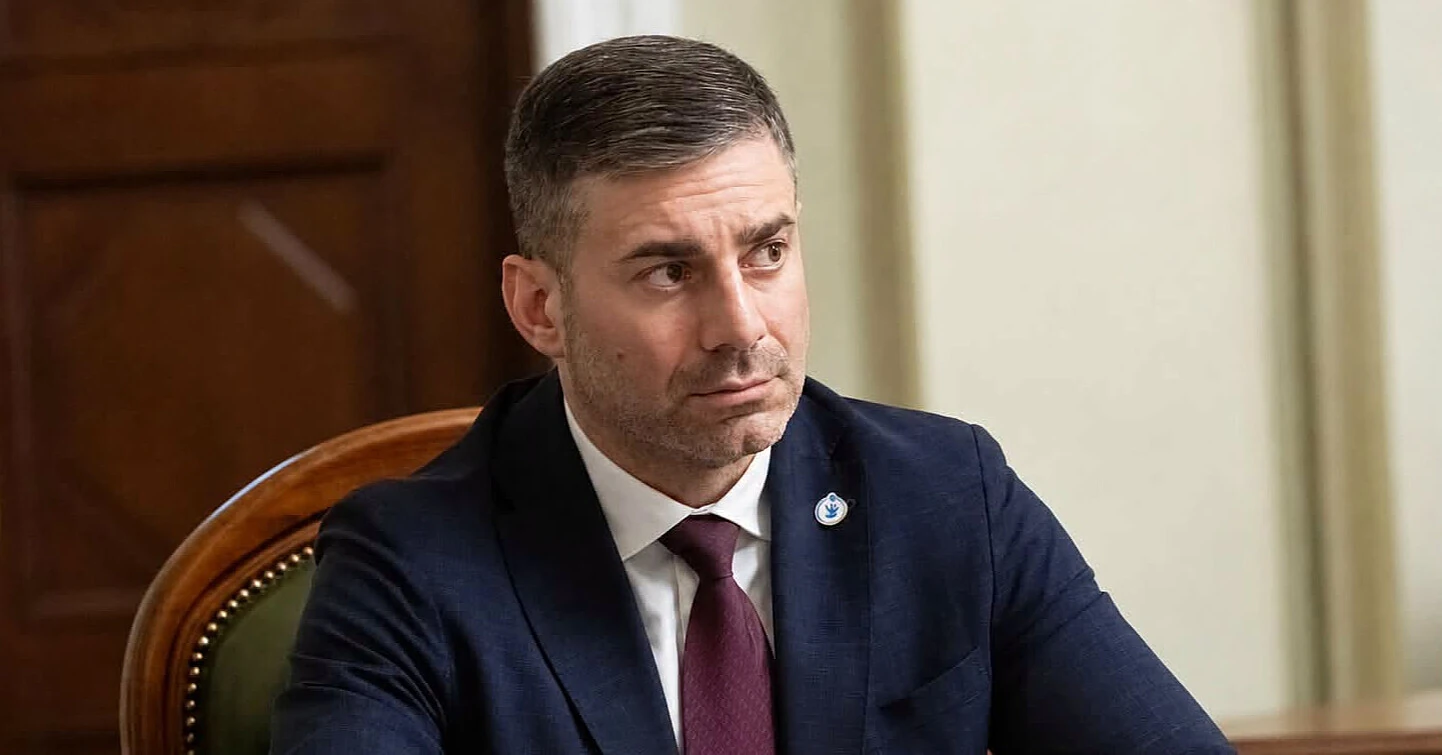
Ombudsman Dmytro Lubinets announced this on November 2 during a press conference dedicated to the results of the humanitarian operation in Oleshky. His statement was reported by Novyny.LIVE and RBC-Ukraine.
The main task of the center will be to organize the return of Ukrainian civilians, protect their rights, and provide support to people returning from Russian detention or occupation.
According to Lubinets, the new structure will also draw attention to violations of the rights of Ukrainian civilians by Russia. Relatives of people who remain in occupied territories or were detained by Russian military and occupation authorities will be able to apply to the center.
The organizational framework is planned to be based on the experience of the Child Rights Protection Center, which deals with the return of Ukrainian children deported or forcibly displaced by Russia.
Lubinets specifically emphasized that the center will be a Ukrainian structure and will not be created jointly with the Russian Federation.
"This Center is not being created together with the Russian side", - the ombudsman stressed.
He explained that Ukraine will implement the initiative independently, involving partners interested in helping with the return of civilians.
Currently, it is not specified when exactly the center will start operating, how many specialists will be involved, and in what order citizens' appeals will be accepted.
Return of civilians from Russia remains a separate problem
Unlike prisoners of war, civilians illegally held by Russia lack a unified international return mechanism. Ukraine utilizes humanitarian negotiations, mediation by international partners, and family reunification procedures.
In particular, on October 23, the Ombudsman's Office reported the return of seven civilians to the territory controlled by Ukraine. The agreements were reached through Lubinets' humanitarian communication channel with Russian Commissioner for Human Rights Yana Lantratova.
Among those returned were a 90-year-old woman with limited mobility, a 50-year-old Ukrainian woman with serious illnesses, and a woman with a child who could not return to her family due to documentation issues.
Another area of work for the Ukrainian side is establishing the whereabouts of civilians detained or taken out by Russia from occupied territories. The families of many of them have long lacked confirmed information about the health status and conditions of their loved ones.
Creating a specialized center should allow this work to be concentrated in a separate structure within the Ombudsman's Office and provide systematic support for relatives' appeals.
