
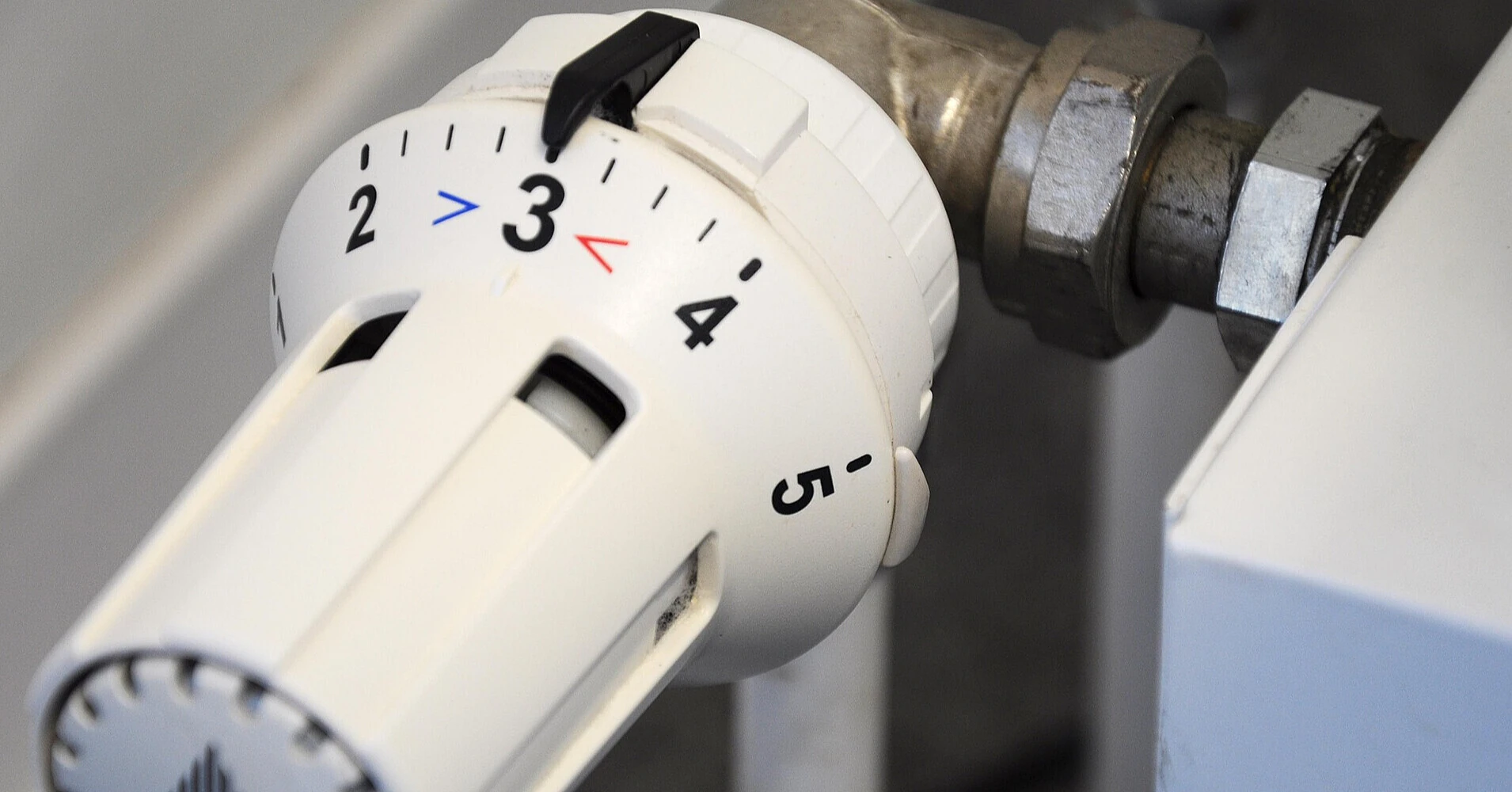
The 2026–2027 heating season has officially begun in the Odessa region. Residents of Belyaevka were the first to receive heat, where residential buildings and social institutions have already been connected to the heating supply system. In other settlements of the region, heating will be turned on gradually, taking into account weather conditions.
Oleg Kiper, head of the Odessa Regional Military Administration, reported this on November 2 on his Telegram channel.
According to him, Belyaevka became the first city in the region where heat carrier began to be supplied. As of November 2, heating is already being supplied to residential buildings and social facilities.
The regional administration explained that the start of the heating season depends primarily on air temperature. The main criterion is a stable decrease in the average daily temperature below +8°C for three consecutive days.
Taking into account the climatic features of the southern region and current weather forecasts, local authorities independently determine the start dates for heating supply systems.
Approximate schedule for the start of the heating season in cities of the Odessa region:
- Podolsk and Razdelnaya — from November 4;
- Izmail — from November 6;
- Odessa — from November 9;
- Chernomorsk — from November 9;
- Yuzhne — from November 9;
- Belgorod-Dnestrovsky — from November 9.
In other communities of the region, connection of residential buildings and social infrastructure institutions will take place as further cooling occurs.
These dates are indicative. Actual heat supply times may be adjusted depending on temperature conditions and decisions of local self-government bodies.
Earlier, Oleg Kiper reported that the Odessa region had completed the main preparations for the heating season. Boiler houses have been prepared for operation, and hospitals, schools, and heat and water supply enterprises are provided with backup generators and fuel reserves.
To enhance the region's energy resilience, 21 distributed heat generation units with a total capacity of 36 MW have also been prepared. Installation of block-modular boiler houses and strengthening of critical infrastructure protection continues.
The head of the Regional Military Administration emphasized that utility services and relevant enterprises are working to ensure stable heat supply during the autumn-winter period.
