
Ukraine does not plan to raise gas and electricity tariffs for households based on the recommendations of the International Monetary Fund. A revision of the pricing system will be possible only after martial law ends and an effective mechanism of targeted support for Ukrainian families is introduced.
The Ministry of Energy of Ukraine reported this on November 3, commenting on the IMF's technical report published in October with proposals to reform energy subsidies.
The ministry emphasized that the current moratorium on tariff increases remains in place. According to the Ministry of Energy's position, any changes to the tariff-setting system within the current legislation are possible only after martial law ends.
The ministry noted that the IMF experts' recommendations are considered as suggestions for further work, not as binding decisions of the Ukrainian government.
"The IMF's professional recommendations are important for Ukraine as advice. However, decisions will be made by the state, and their sequence is clear: first an effective model of support for Ukrainian families and only then changes in pricing," — stated the Ministry of Energy.
The agency also explained that the scenarios presented by international experts are purely calculation models. None of them provides for an immediate introduction of new tariffs or automatic increase in utility prices.
When preparing the report, IMF experts used, in particular, data on the consumption structure of Ukrainian households for 2021. These calculations allow assessing the financial burden of the current subsidy system and the possible consequences of its reform.
Ukraine is developing a long-term roadmap for reforming the energy sector, the central element of which should be consumer protection. In particular, the government is working on improving targeted assistance in the provision of housing subsidies and benefits.
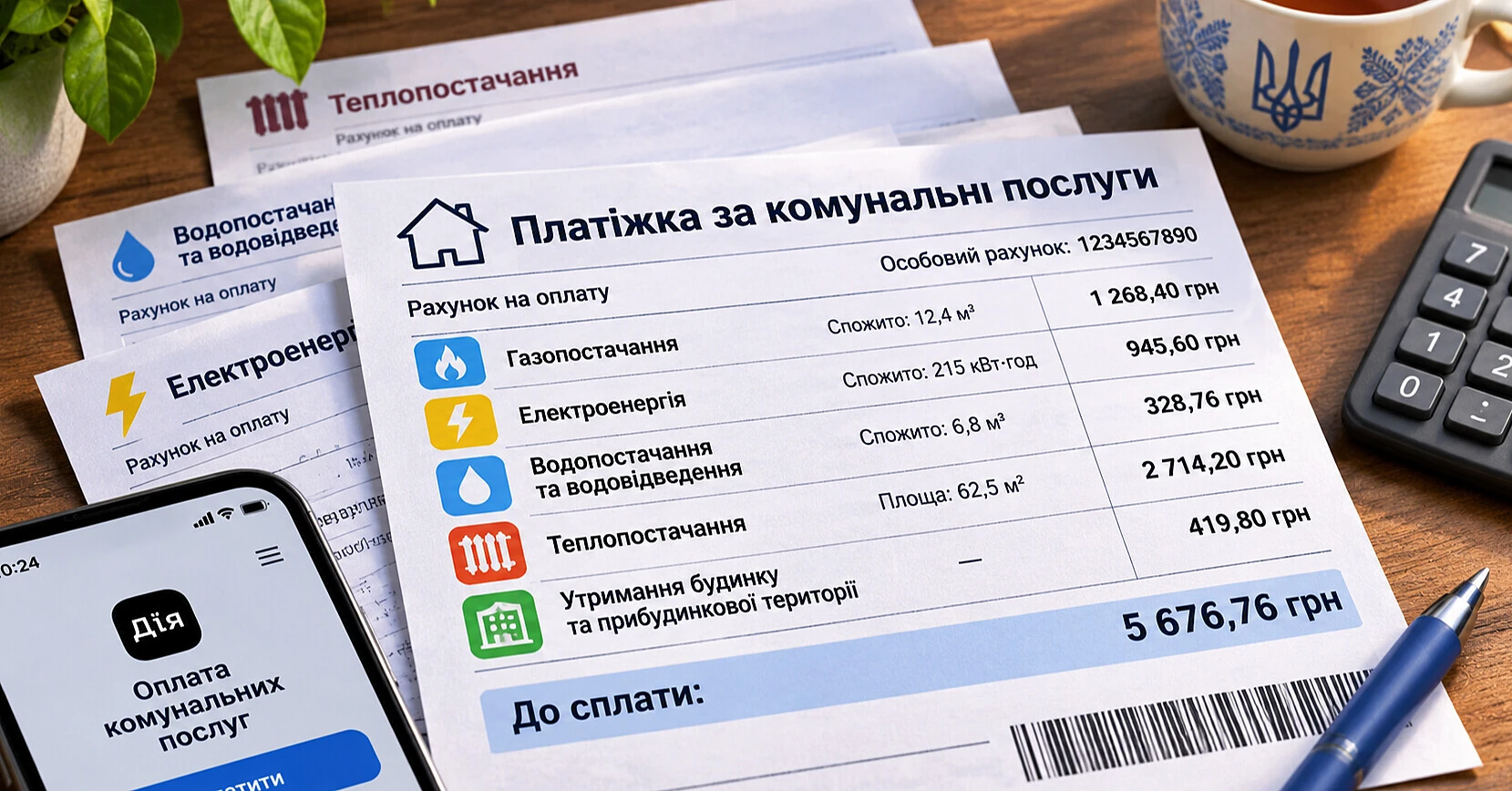
Together with international partners, the creation of a unified digital platform based on the principle of a common bill is beginning. It is expected that consumers will be able to see utility bills and the state support they are entitled to in one service integrated with state registers on the basis of "Diia".
The Ministry of Energy stressed that the transition to targeted social support must precede changes to tariff policy. Specific timelines for launching the new system have not yet been announced.
The development of the roadmap is also linked to Ukraine's international obligations and further integration into the European energy market. The reform envisages the restoration of energy infrastructure after Russian attacks, financial recovery of energy markets, and increased transparency in the management of state energy companies.
Earlier, Kurs.com.ua reported that the IMF presented two scenarios for a gradual revision of gas and electricity tariffs. According to experts' calculations, after the completion of a three-year transition period, the cost of electricity could be from 6 to 9.7 UAH per kWh, and gas — from 17.2 to 22 UAH per cubic meter depending on the chosen reform model.
These figures are not approved tariffs. IMF experts suggested considering them in conjunction with an expansion of targeted assistance to the most vulnerable categories of the population.
As of November 3, the current electricity tariff for household consumers is 4.32 UAH per kWh. The government extended the public service obligations mechanism on the electricity market until April 30, 2027, which allows maintaining this price for households.
Thus, the IMF calculations published do not change Ukrainians' current utility bills. Further tariff decisions, according to the Ministry of Energy, will depend on the end of martial law and the readiness of the new social protection system.
