
After the Democratic Party's victory in the midterm elections in the US, Congress may return to large-scale funding of military and economic aid to Ukraine. The new distribution of political forces in Washington creates the opportunity to pass corresponding bills even despite the position of President Donald Trump.
This is stated in a Reuters analysis published on November 4. The agency notes that support for Kyiv remains one of the priorities of the Democrats, and among the Republicans there is also an influential group of supporters of continuing American aid.
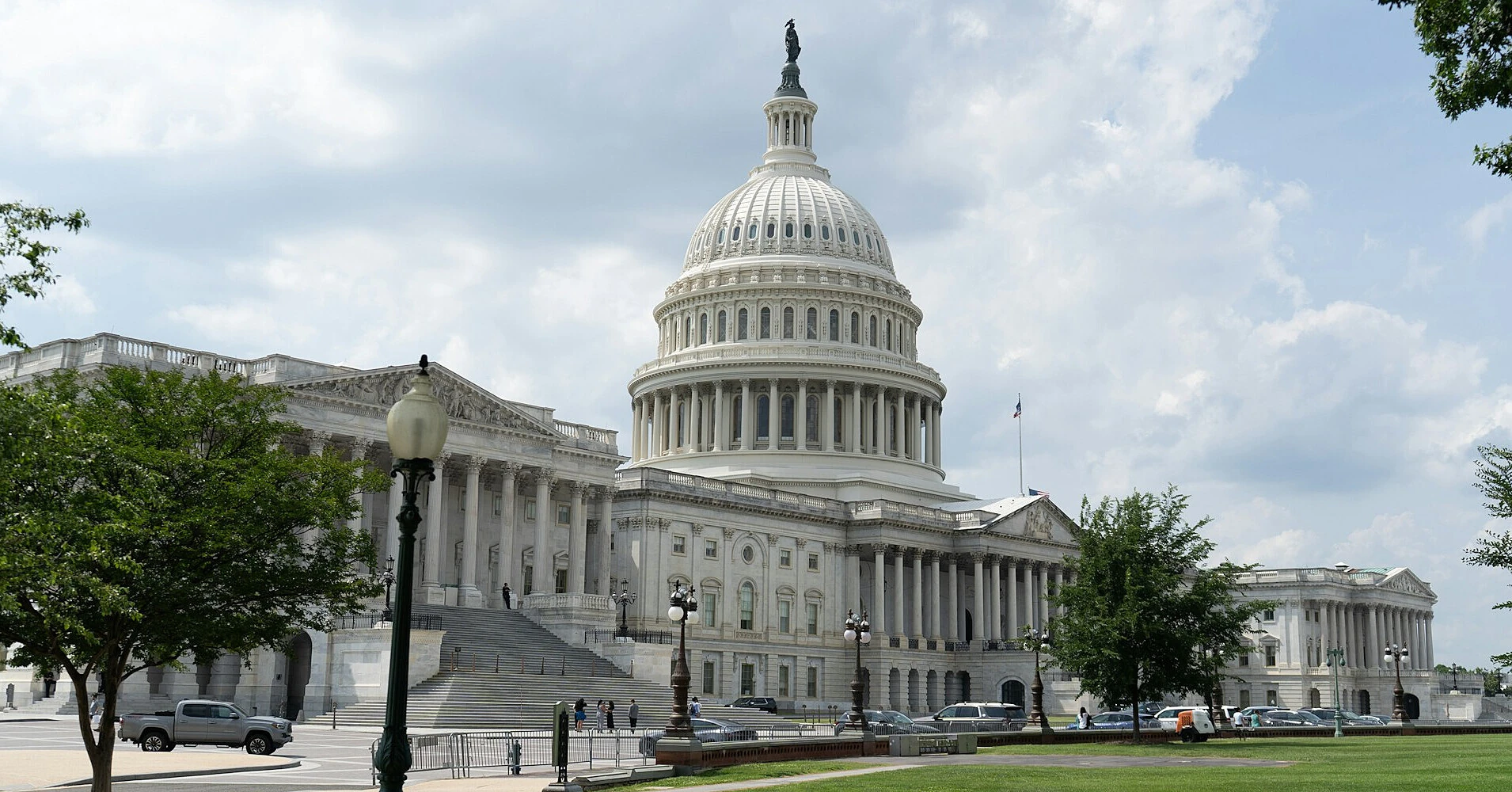
According to the results of the elections on November 3, the Democrats gained control of both houses of Congress. The new composition of the legislative body will begin work in January 2027. This will allow the party representatives to determine the agenda, promote their own legislative initiatives, and bring to a vote issues previously blocked by the Republican majority.
Under Trump's presidency, Washington significantly reduced new direct financial and military support for Ukraine. At the same time, the supply of American weapons has not completely stopped. In particular, the PURL program continues to operate, under which European allies and partners pay for the purchase of American military equipment for Ukraine. According to NATO, more than $6 billion has already been allocated to this program.
The new majority in Congress may try to restore direct financing of aid from the American budget. However, this will require not only Democratic support, but also Republican votes.
The US Constitution allows Congress to override a presidential veto if at least two-thirds of the members of both houses participating in the vote vote again for the bill. Reuters admits that such a bipartisan majority may form on the issue of supporting Ukraine. However, the Democratic victory alone does not guarantee the required number of votes.
The basis for such expectations is previous votes. In June 2026, the House of Representatives already supported the bipartisan Ukraine Support Act. The document provides for new military aid to Ukraine, credit mechanisms for the purchase of American weapons, and additional sanctions against Russia.
The bill received 226 votes against 195, and it was also supported by 18 Republicans. In July, the document was placed on the Senate agenda, but as of early November it had not come into force.
A separate area of confrontation between the new Congress and the White House may be the sanctions policy towards Moscow. The Trump administration's decision to ease restrictions on trade in Russian diesel fuel and energy resources has already drawn criticism from legislators of both parties.
In particular, Democrat Gregory Meeks, who may head the House Foreign Affairs Committee, introduced on October 16 a bipartisan Prohibit Corrupt Russia Oil Deals Act. It provides for the cancellation of certain permits for operations with Russian energy resources, restrictions on investment in the Russian energy sector, and strengthening of sanctions.
The initiative was supported by representatives of both parties. This indicates the presence in Congress of a political coalition that opposes weakening economic pressure on Russia.
At the same time, even the adoption of new laws will not mean automatic restoration of arms supplies. The practical implementation of aid programs will depend on the allocated funding, corresponding procedures, and actions of the US executive branch.
Currently, the specific volumes of new aid that Democrats may propose after the start of the updated Congress have not been announced. The main change is that from January 2027, supporters of aid to Ukraine will have more opportunities to promote their initiatives to a vote regardless of the White House's position.
Based on materials from: Reuters, US House Foreign Affairs Committee, US Congress
