
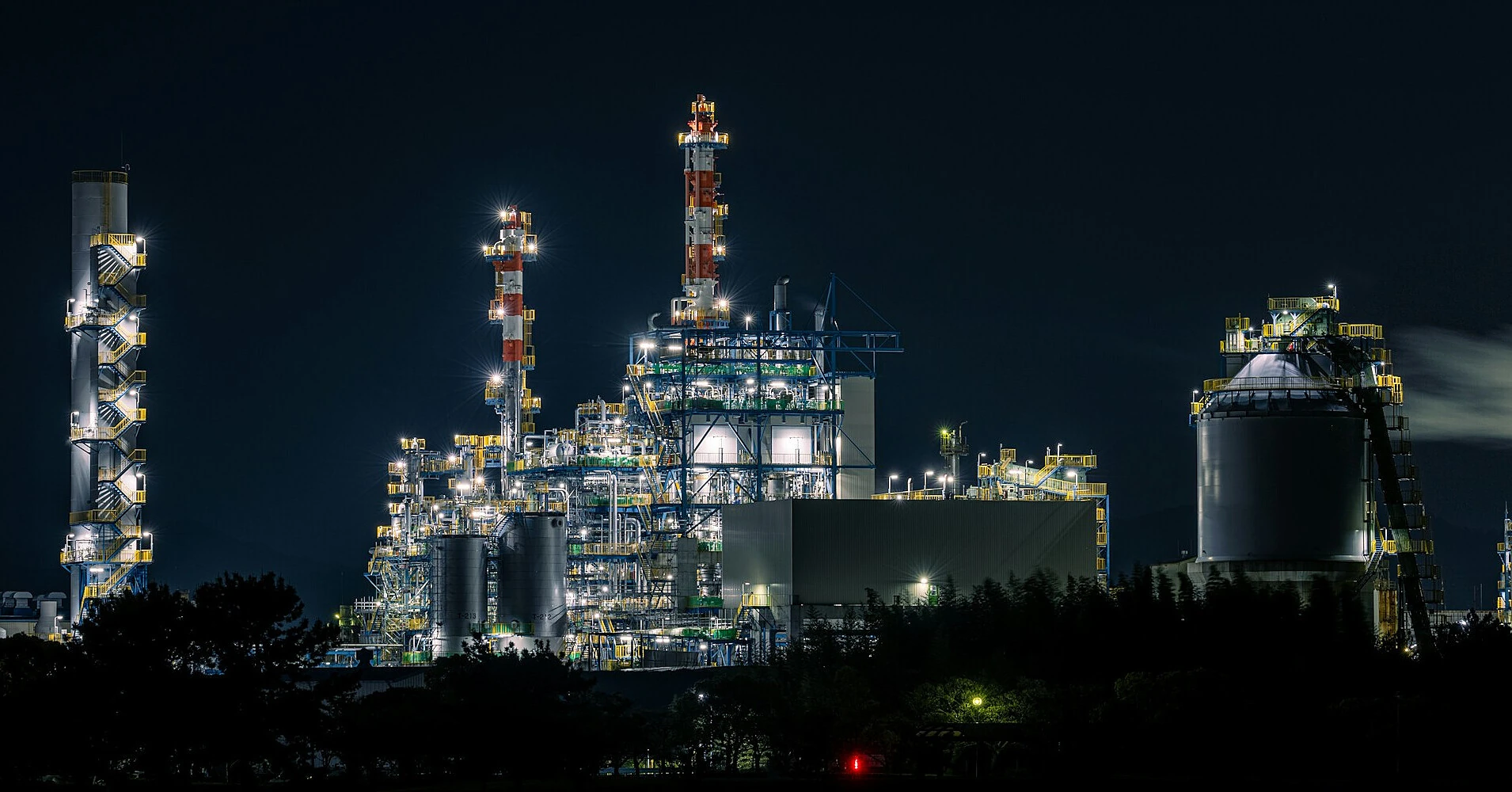
Ukrainian strikes on Russian oil infrastructure have caused over $23.2 billion in damage to the Russian economy. According to Ukrainian military intelligence, a significant portion of Russia's main oil refineries has halted operations or significantly reduced production, and Moscow has been forced to redistribute refining among enterprises.
On November 5, the Main Intelligence Directorate of the Ministry of Defense of Ukraine reported this, publishing a new assessment of the state of the Russian oil refining industry.
According to the GUR, as of the end of September 2026, of Russia's 38 main oil refineries, 15 were taken out of operation, and another 12 reduced production of petroleum products. Total refining volumes at these facilities decreased by 55.4% compared to the beginning of the year.
The biggest problems, according to intelligence, arose in the Volga, Central and Southern federal districts of Russia. In particular, the production capacities of the Yaroslavl refinery "Slavneft-YANOS", Kirishi oil refinery, Ryazan refinery, Moscow refinery "Gazpromneft" and "Lukoil-Permnefteorgsintez" were affected.
Combined, these facilities accounted for about 33% of Russian oil refining. Their shutdowns and production cuts created additional strain on refineries located in other regions of the country.
To partially compensate for losses, Russia increased production at remote refineries. In September, six such facilities, including the Omsk, Achinsk and Khabarovsk refineries, together processed about 906 thousand barrels of oil per day. This is 147 thousand barrels more than at the beginning of 2026.
According to GUR calculations, these facilities accounted for approximately 24% of total Russian oil refining. However, compensating losses this way is difficult due to significant distances between producers and fuel consumers.
The intelligence notes that transportation of petroleum products is complicated by shortages of railway rolling stock and automobile tanks. In addition, some scheduled equipment repairs were postponed to 2027, which could lead to new production cuts at remote refineries.
A separate problem for the Russian oil industry was the cost of restoring damaged capacities. According to GUR estimates, equipment replacement costs could exceed $20 billion. Repairs are also complicated by international sanctions that restrict access of Russian enterprises to necessary technologies and components.
Against the backdrop of these problems, the Kremlin has restricted access to information about oil refining volumes. According to GUR, relevant changes are provided for in the decree of Russian President Vladimir Putin dated September 28, 2026 No. 686.
The intelligence believes that classifying production statistics complicates independent assessment of the real state of the industry and creates opportunities for concealing reductions in petroleum product output, particularly diesel fuel.
GUR also reports that due to shortages of certain types of fuel, Russia has begun to attract imports from other countries, using non-transparent trade schemes to circumvent international sanctions.
The published figures on shutdowns of enterprises and refining reductions refer to the industry's state at the end of September, not November 5. The monetary estimate of damage is also based on Ukrainian intelligence data. Independent confirmation of all provided figures is currently not available.
Based on materials: Main Intelligence Directorate of the Ministry of Defense of Ukraine
