
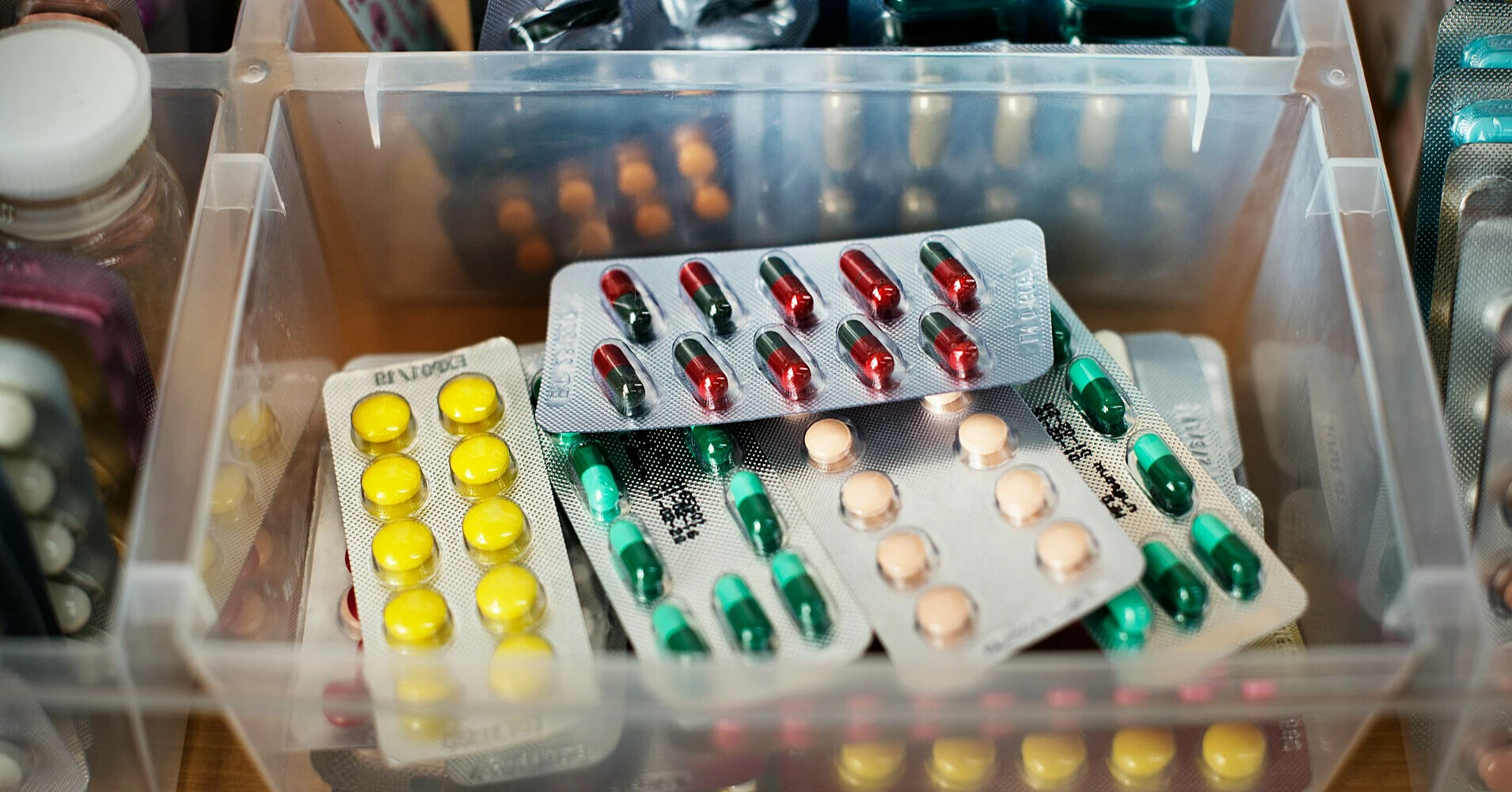
Russia has practically not reduced its dependence on foreign medicines in almost five years of full-scale war against Ukraine. Despite the development of its own pharmaceutical production, more than half of medicine spending in the country still falls on imported products.
According to Bloomberg's calculations based on data from the research company DSM, in January-August 2026, spending on medicines in Russia amounted to almost 700 billion rubles (about $8.6 billion). Of this amount, 56% fell on imported drugs. For comparison, in 2022 their share was 57%.
Russia retains the greatest dependence in the segment of expensive specialized medicines, in particular for the treatment of oncological, autoimmune and rare diseases. The production of such drugs requires sophisticated technologies, research and significant investment, which Russian companies still lack.
According to the analytical platform Cursor, Swiss Roche and Novartis, as well as British AstraZeneca, remain among the leading pharmaceutical companies on the Russian market in the first three quarters of 2026. Only three Russian companies are represented in the top ten manufacturers.
At the same time, trade in medicines remains one of the few areas of Russia's economic relations with Western countries that continue to develop after the start of the full-scale invasion.
According to Eurostat, in the first seven months of 2026, EU pharmaceutical exports to Russia grew by almost a third compared to the same period in 2022, to €6.7 billion. At the same time, total European exports to the Russian Federation decreased almost twofold over the same period.
This situation is explained by the peculiarities of the sanctions regime. The European Commission emphasizes that restrictions against Russia do not prohibit the supply of medicines and medical equipment for the civilian population. Corresponding exceptions are provided for on humanitarian grounds.
The Russian authorities are trying to change the situation. According to the national project "New Health Preservation Technologies", by 2030 Russia plans to establish a full production cycle for 80% of drugs from the list of strategically important medicines, including the production of active ingredients.
However, Russian manufacturers achieve the greatest success mainly in the production of cheaper generics of already known medicines after the expiry of patent protection. The creation of their own innovative drugs remains a much more difficult task.
To avoid shortages, Moscow has simultaneously extended the mechanism for importing medicines in packaging for foreign markets until the end of 2027 and simplified import procedures for new high-tech drugs.
Based on: Bloomberg, European Commission
