
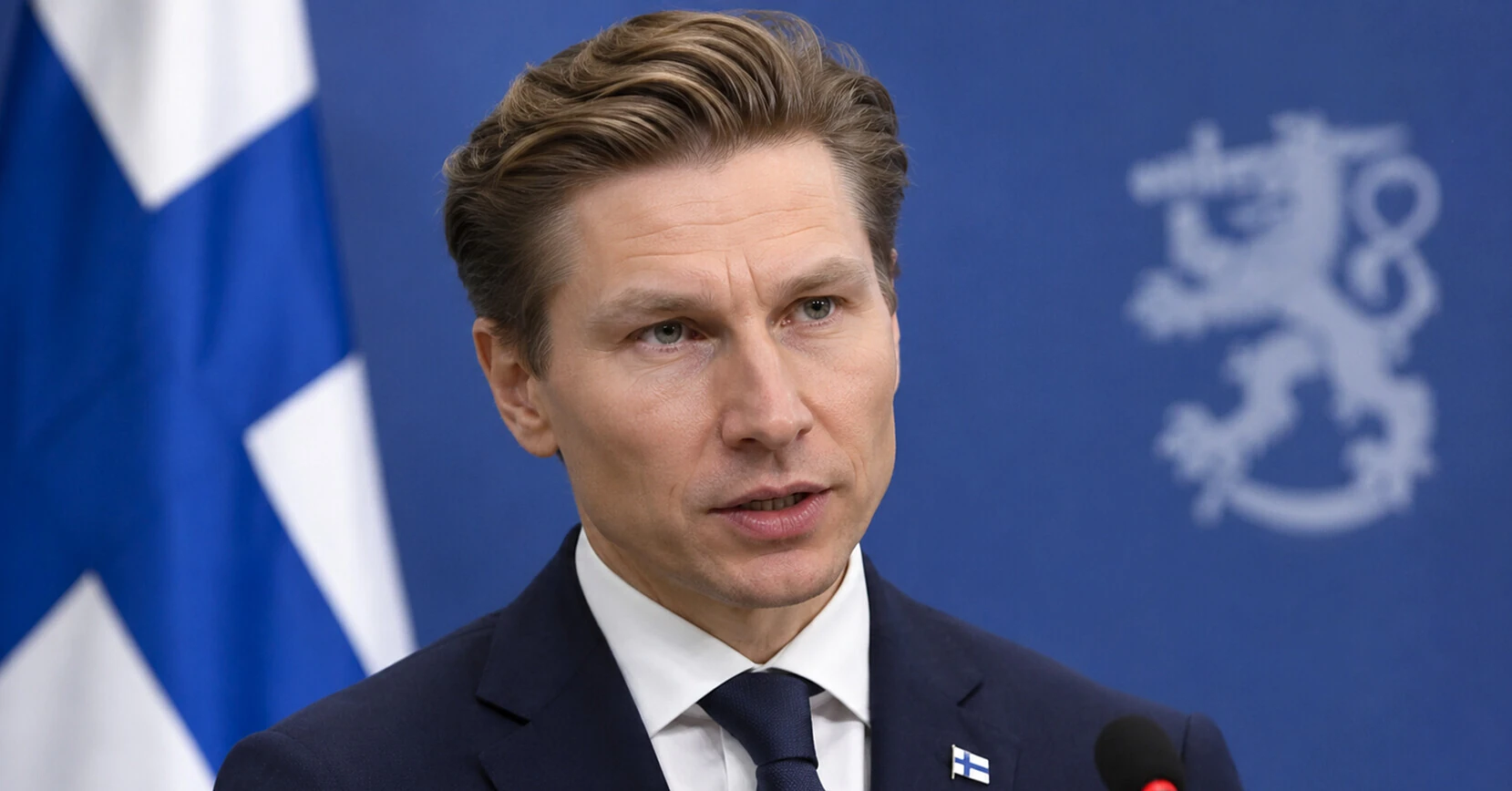
Finnish Defense Minister Antti Häkkänen said that the United States is delaying the transfer of interceptor missiles for Patriot air defense systems to Ukraine, despite the fact that European allies have already paid for their purchase. In his opinion, the main problem remains the lack of necessary political will in Washington.
The head of the Finnish defense ministry said this on November 6 in an interview with Euronews.
Häkkänen emphasized that European states have fulfilled their financial obligations, but the American side has still not provided final authorization for the transfer of some missiles to Ukraine.
"We have the funding. Now these stocks need to be delivered to Ukraine. But for deliveries to begin, political will from the US is also needed," the minister said.
He noted that the situation is becoming especially critical on the eve of winter, when Russia continues to strike Ukrainian civilian and energy infrastructure.
According to Häkkänen, Ukraine currently especially needs additional air defense capabilities capable of protecting the population and critical facilities from Russian missile attacks.
At the same time, the minister refused to place personal responsibility for the delays on the head of the American defense department, Pete Hegseth. He acknowledged that he does not have information about the specific reasons why the necessary approvals have not yet been issued.
"Europeans provided funding, and now everything depends on political agreements," Häkkänen added.
Deliveries of American weapons to Ukraine are partly carried out through the NATO PURL mechanism, which provides for the purchase of weapons from the US at the expense of European allies and Canada. However, the transfer of American weapons requires final approval from the United States defense department.
Earlier, Ukrainian President Volodymyr Zelenskyy said that Kyiv has been waiting for almost a month for Pete Hegseth's signature on documents authorizing the transfer of additional missiles for Patriot. This primarily concerns PAC-3 interceptors designed to counter ballistic missiles.
At the same time, the American side previously denied that there was a political decision to deliberately limit aid to Ukraine. US Secretary of State Marco Rubio explained possible delays by the need to take into account the needs of the American military and other allies given limited stocks of interceptors.
According to Euronews, NATO military leadership is also trying to persuade seven alliance states to transfer additional Patriot systems to Ukraine from their own reserves.
However, these countries are in no hurry to part with existing weapons without guarantees that the US will compensate transferred stocks with new deliveries. One NATO source told the outlet that the problem may primarily be related to the limited production capabilities of American enterprises.
Thus, the reasons for the delays remain a subject of disagreement among allies. Washington has not yet published an official explanation regarding the specific batch of missiles mentioned by the Finnish minister.
