
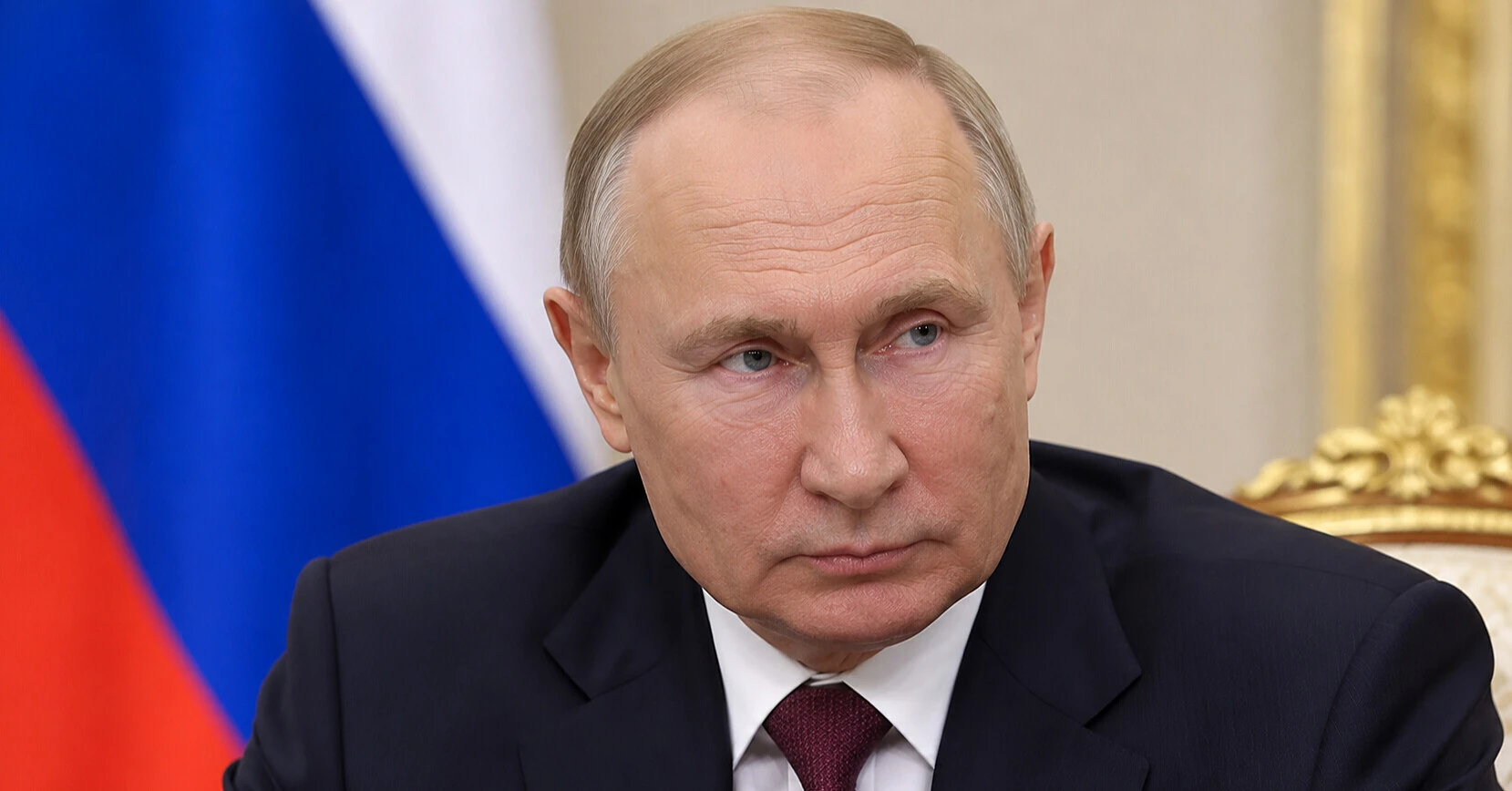
Russian President Vladimir Putin expects to use massive strikes on Ukrainian energy and civilian infrastructure in the winter of 2026–2027 as a tool to pressure Kyiv. Moscow seeks to achieve concessions in negotiations to end the war, while continuing to demand the transfer of the unoccupied part of Donbas to Russia.
This was reported on November 6 by Financial Times, citing participants in informal diplomatic consultations.
According to assessments by the outlet's interlocutors, the Kremlin intends to use the destruction of Ukrainian infrastructure and the deterioration of living conditions for the population to strengthen its negotiating positions. Therefore, diplomats doubt that the upcoming meeting of representatives of Ukraine, the United States, and Russia in Abu Dhabi will lead to a quick ceasefire.
Russian leadership has previously repeatedly presented strikes on Ukrainian energy as a response to attacks by Ukrainian drones on oil refineries and other economic facilities in Russia.
In particular, on October 15, Putin stated that Ukrainian forces had resumed attacks on Russian oil refineries and also struck logistical facilities of major companies, including Wildberries and Ozon.
As Suspilne reported, the Russian president claimed that Kyiv was the first to begin striking economic infrastructure, after which Moscow began retaliatory actions.
"They made the first move, we started to respond," — Putin said then, mentioning strikes on energy facilities and data processing centers.
However, Russian forces have been attacking Ukrainian energy infrastructure since 2022, long before the current phase of Ukraine's campaign against Russian oil refineries.
Analysts from the Institute for the Study of War (ISW) believe that the Kremlin has changed its approach to waging war, betting on massive missile and drone strikes in the winter period. Their goal, according to the analysts, is to create conditions under which Ukraine will be forced to agree to Russian demands.
In an analysis from November 2, experts noted that Russian forces are trying to make everyday life for Ukrainians unbearable, while also damaging the country's economy.
Previously, Ukrainian authorities warned that during the winter period, Russia intends to intensify attacks on power, heating, and water supply facilities in major cities.
At the same time, the claim that Putin directly threatened to destroy all of Ukraine's infrastructure by 2027 is not confirmed by available information from the Financial Times publication. The outlet describes a strategy of pressure during the winter period, and does not provide such an ultimatum from the Russian president.
This new assessment of the Kremlin's intentions emerged on the eve of trilateral talks between Ukraine, the United States, and Russia scheduled for November 10–11 in Abu Dhabi.
According to Financial Times, participants in informal diplomatic contacts doubt the possibility of a quick agreement. One of the main obstacles remains Moscow's territorial demands, which Ukraine rejects.
