
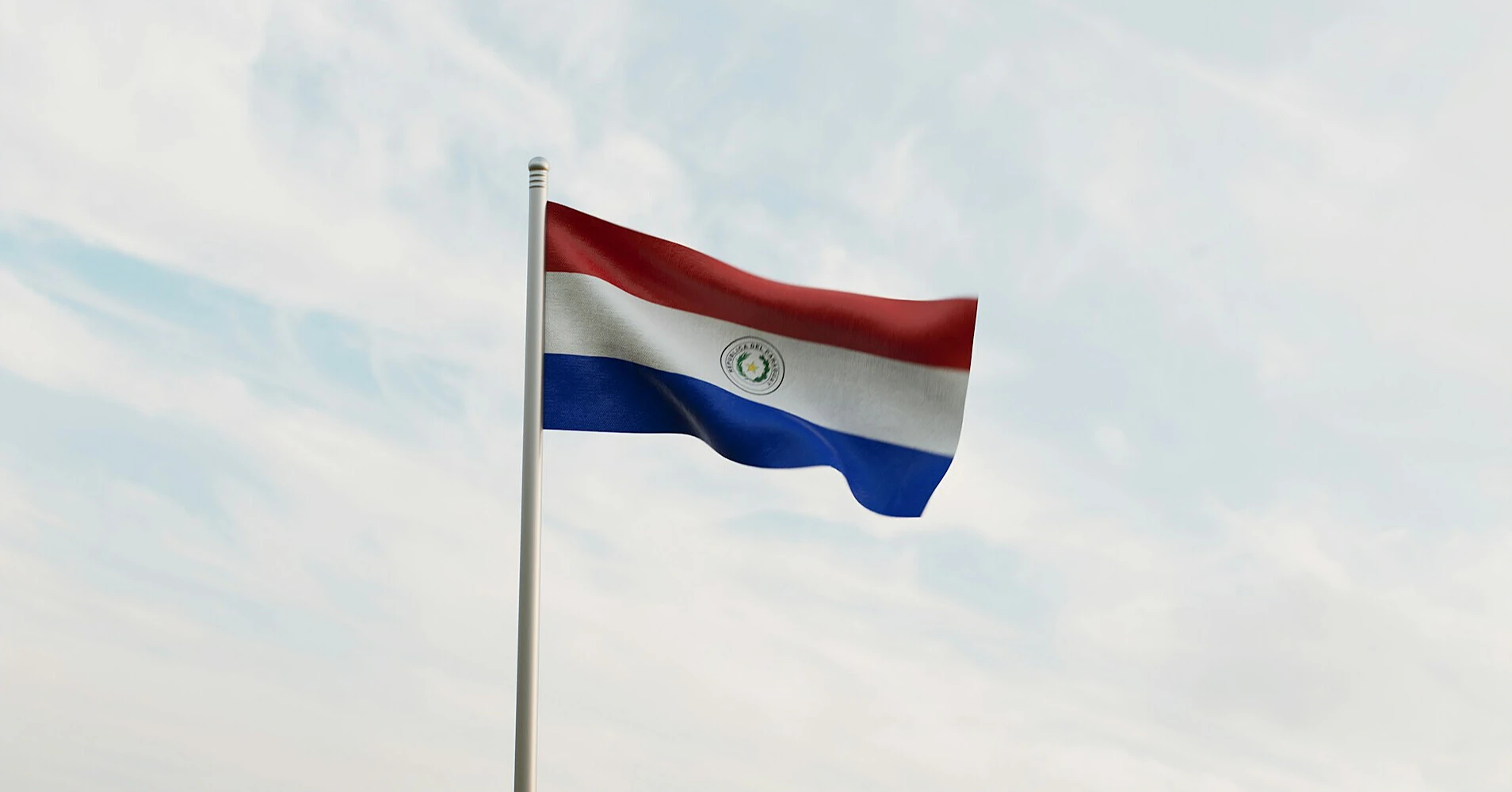
Paraguay’s Senate removed President Santiago Peña from office on 6 November amid the crisis surrounding digital bank Ueno Bank. Peña was subsequently placed under house arrest on orders from prosecutors.
Bank customers were unable to withdraw cash, access their savings or pay by card, reports Associated Press. The return of frozen funds became one of the protesters’ main demands.
In its case for impeachment, the Chamber of Deputies cited an alleged conflict of interest linked to Peña’s involvement in Ueno Holding and the appointment of a former head of finance company Ueno as central bank governor. Lawmakers also accuse him of allowing funds from the state-run Social Security Institute, IPS, to be deposited at the bank beyond legal limits.
AP notes that Peña previously held a stake in Ueno Holding but divested it in 2025.
All 44 senators present voted for his removal. Peña had submitted his resignation the previous day, but parliament continued with the impeachment process. According to the Senate’s statement, he was removed for misconduct in office.
The prosecutor’s office said the detention order was issued as part of a criminal investigation linked to Ueno Bank over suspected breach of trust and other offences. Peña was ordered to remain in custody at his home pending his appearance before prosecutors.
Peña denies wrongdoing. His lawyers told the Senate that the allegations did not identify specific legal provisions he had violated and attributed the actions of other state institutions to the president. The criminal proceedings are separate from parliament’s decision to remove him.
The banking crisis deepened following regulatory intervention. On 3 November, the Central Bank of Paraguay announced a resolution process for Ueno Bank after adjustments to its financial statements revealed a capital adequacy ratio below half the minimum required level.
The regulator has already announced phased payments under the deposit guarantee scheme. The first phase covers customers with total deposits of up to 10 million guaraníes — approximately $1,500, according to AP — provided they meet the regulator’s conditions. The central bank says it will announce payments for subsequent groups separately.
Former Vice President Pedro Alliana became the new president. According to parliament’s statement, he was sworn in on 6 November and is to serve out the 2023–2028 presidential term. In his first address, Alliana pledged to take steps to reimburse affected depositors.
Sources: Paraguay’s Senate, Paraguay’s Public Prosecutor’s Office, Central Bank of Paraguay, Associated Press, Reuters.
