
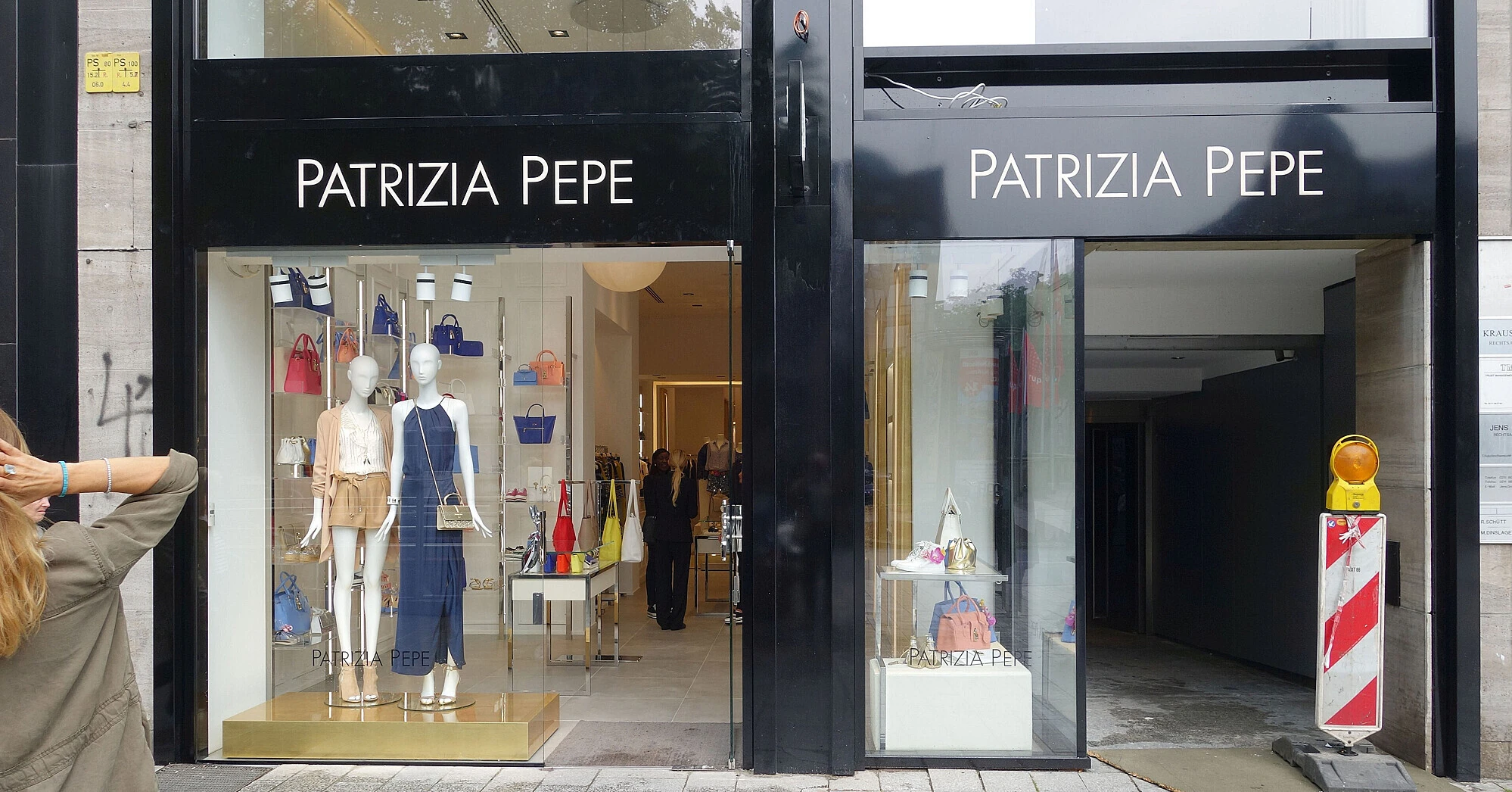
Italian fashion brands Patrizia Pepe and Dixie came under court supervision due to alleged exploitation of foreign workers at subcontractors in Tuscany. The Florence court decision was reported on 6 November by Reuters. Precautionary judicial administration has been imposed for one year.
According to the agency, the companies themselves are not under criminal investigation. The court's claims relate to insufficient control over the enterprises to which the brands outsourced production orders.
According to investigators, foreign workers at subcontractors were forced to work grueling shifts for insufficient pay, and were deprived of vacations and rest. Cases of unregistered employment and use of workers without valid residence documents were also identified, reports ANSA.
The Prato prosecutor's investigation concerns the working conditions of migrants from Albania and Bangladesh. 18 workers cooperated with the investigation.
The court assessed that the client companies did not properly verify the real capabilities of subcontractors and labour conditions. The prosecutor's office believes that this production organisation allowed costs to be reduced through worker exploitation.
The measure concerns Tessilform, the owner of the Patrizia Pepe brand with a legal address in Campi Bisenzio, and Dixie from Signa. Both cities are in the province of Florence.
As reported by RAI citing the court's explanation, the companies continue to operate, owners retain their enterprises, and the judicial administrator does not take over all corporate governance. Their task is to check relations with suppliers and strengthen mechanisms to prevent exploitation.
Checks should concern the production capabilities of subcontractors, the fairness of prices, and actual labour conditions. A review of supplier relationships and termination of contracts that do not meet requirements are envisaged.
Tessilform stated that it ceased cooperation with the mentioned suppliers more than a year ago during its own supply chain audit. The company intends to cooperate with the court and the appointed administrator, writes La Nazione.
At the time of publication, a Dixie representative had not responded to Reuters' request for comment.
Similar measures were previously applied in Italy to Loro Piana and certain companies of the fashion houses Valentino and Giorgio Armani. These cases have heightened attention to how major brands verify production conditions at their suppliers.
Based on materials from: Reuters, ANSA, RAI, La Nazione.
