
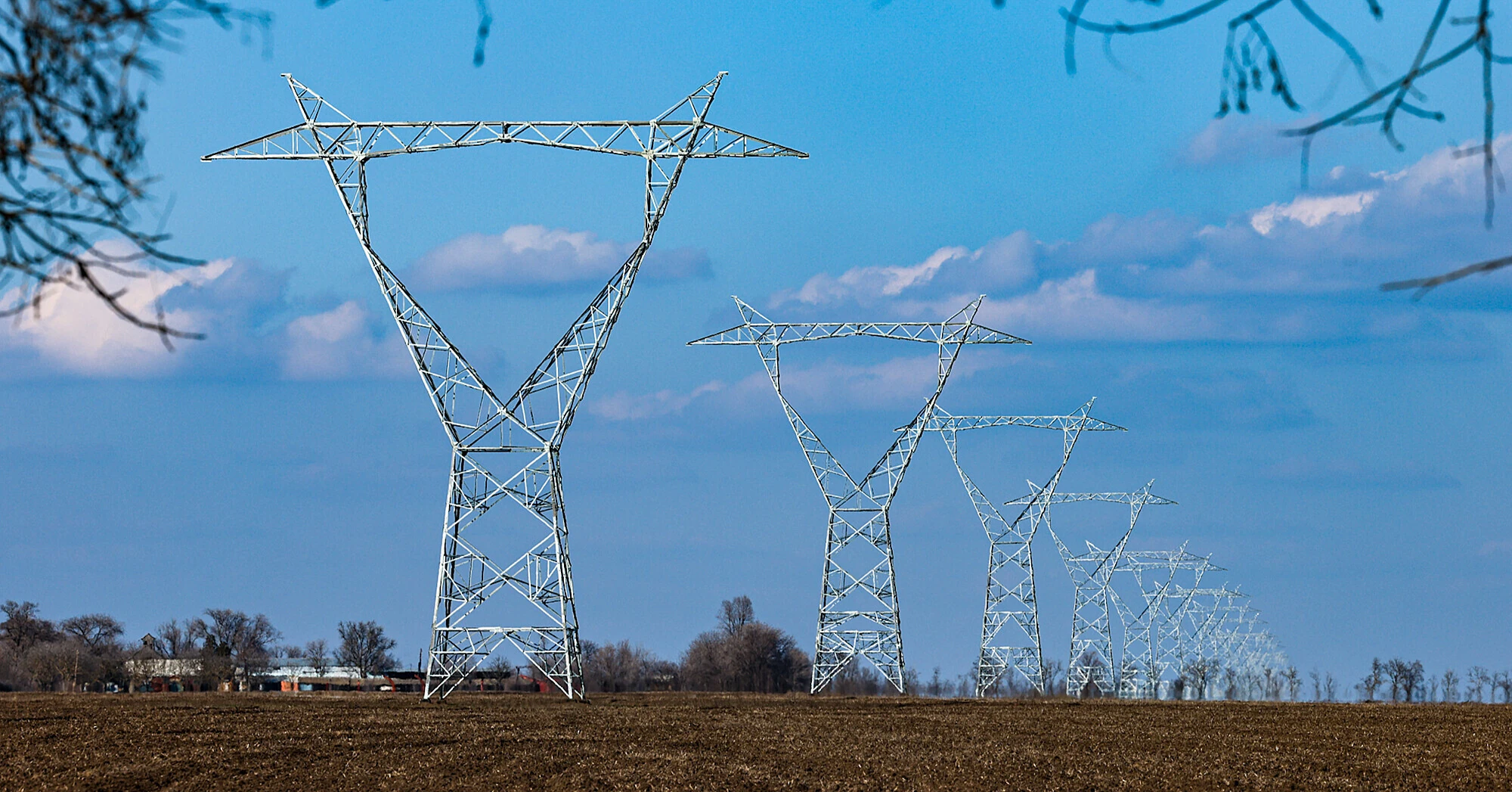
On November 8, Moldova energized the 400 kV Vulcănești–Chișinău power transmission line and its associated substations. The new infrastructure allows electricity to be delivered from Romania to the central part of the country, bypassing the Cuciurgan power complex in Transnistria.
The opening was announced by the Ministry of Energy of Moldova. The ceremony was attended by President Maia Sandu and European Commissioner for Enlargement Marta Kos.
The main change is an additional electricity transmission route. The previous scheme depended on infrastructure in Cuciurgan, on territory not controlled by Chișinău. The new line connects substations in Vulcănești in the south of the country and in Chișinău, creating an alternative path for energy from the Romanian and European markets.
According to the Ministry of Energy, the length of the power line is about 157 km; it passes through 35 settlements. The project also included the modernization of the Chișinău substation and the expansion of the Vulcănești substation.
The overall project with the line and the works at the substations was implemented with financing from the World Bank of €61 million. As stated in the presidency's message published by MOLDPRES, the credit agreement was approved in September 2019.
The construction of the line itself was completed in November 2025. After that, technical tests, safety checks, and acceptance procedures were carried out. Thus, the current event is the energization of the new infrastructure after the completion of the preparatory stages.
For businesses and households, the additional route reduces dependence on a single vulnerable energy complex. It expands the ability to deliver purchased electricity, but does not by itself determine its price: procurement costs depend on suppliers and market conditions.
The Ministry of Energy's statement does not provide volumes of actual electricity transfer and the line's load on the first day. There is also no data on a complete switch of the country's energy supply to the new route.
The opening of the line does not mean automatic reduction of tariffs or complete elimination of the risk of outages. The presidency's statement separately notes the pressure of external prices on household expenses. The government intends to seek funds this winter as well to reduce the tariff burden on vulnerable families.
Sources: Ministry of Energy of Moldova, Presidency of Moldova via MOLDPRES, Government of Moldova.
Construction of the Vulcănești–Chișinău power line. Archive photo, February 2025: Government of Moldova / Wikimedia Commons, license CC BY-SA 4.0.

