
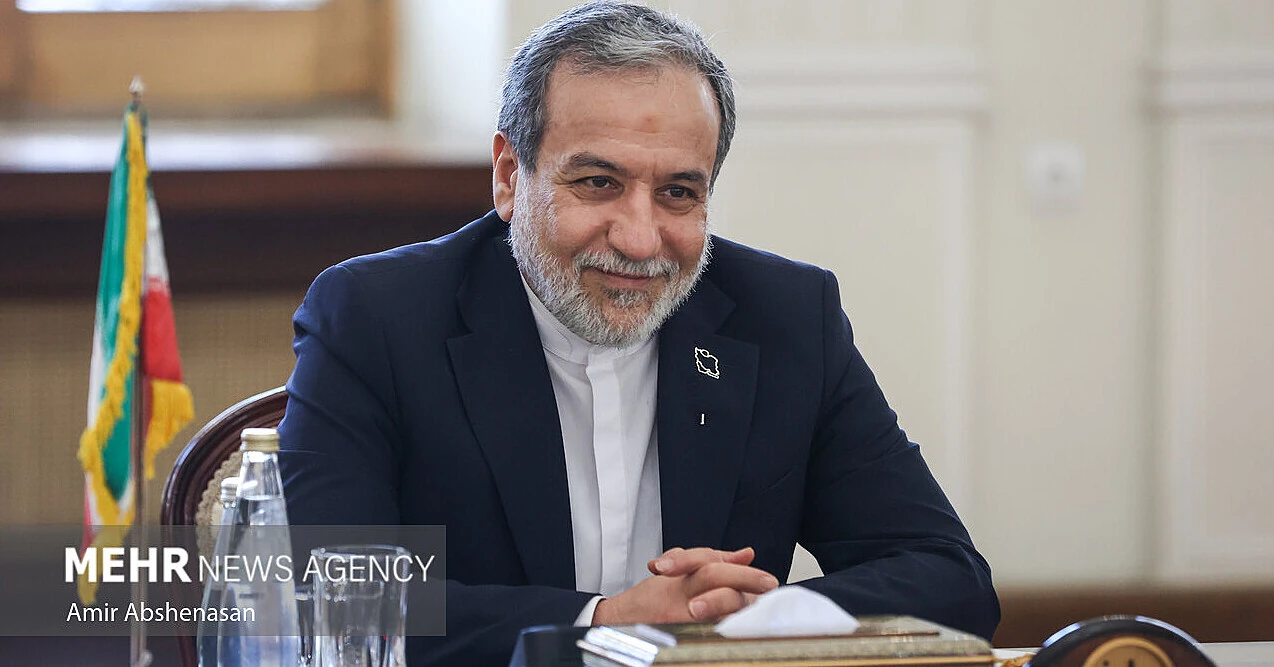
Iranian Foreign Minister Abbas Araghchi called on the United States to accept Tehran's conditions for ending the war in the Middle East and threatened a harsh military response in case of resumption of large-scale hostilities. The statement came after the US midterm elections, in which Donald Trump's Republican Party suffered a defeat.
Araghchi wrote about this on November 8 on the social network X, addressing directly the White House.
"American voters have made their choice. Now it is time for the White House to make its own", — said the head of Iranian diplomacy.
Araghchi stressed that Tehran's two-day proposal remains in force, and its key condition is the cessation of war on all fronts.
"Fulfill the requirements, including cessation of war on all fronts, and you will see the result. Or choose war and watch our vigilant and battle-hardened warriors unleash hell", — warned the minister.
This refers to the plan previously proposed by Iran for restoring shipping through the Strait of Hormuz and returning to negotiations with the US. The two-day period concerns the implementation of initial agreements after the American side accepts Tehran's conditions, not a deadline set for Washington to respond.
As previously reported by CBS News, Iran's demands include cessation of hostilities on all fronts, lifting the American naval blockade of Iranian ports, easing sanctions, and unblocking frozen Iranian assets. In response, Tehran offers to restore commercial shipping through the Strait of Hormuz and continue negotiations on its nuclear program.
Initially, the Iranian side proposed implementing the relevant plan within seven days. After consultations with Qatari mediators, the period was reduced to two days. According to the proposed scheme, the US must fulfill initial obligations on the first day, and on the next Iran will open the Strait of Hormuz for shipping.
According to Axios, a meeting between Donald Trump and Qatar's Prime Minister Mohammed bin Abdulrahman Al Thani is scheduled for November 9. The mediators are trying to achieve a new ceasefire and resumption of negotiations between Washington and Tehran.
At the same time, US Secretary of State Marco Rubio stated that indirect negotiations have so far brought no significant progress, and Washington considers some of Iran's demands unacceptable.
Trump himself said on November 8 that resumption of US strikes on Iran is unlikely if progress is made in negotiations on the nuclear program and the Strait of Hormuz. However, the US President did not rule out the use of military force if the parties fail to reach an agreement acceptable to Washington.
Based on materials from: Abbas Araghchi (X), CBS News, Axios
