
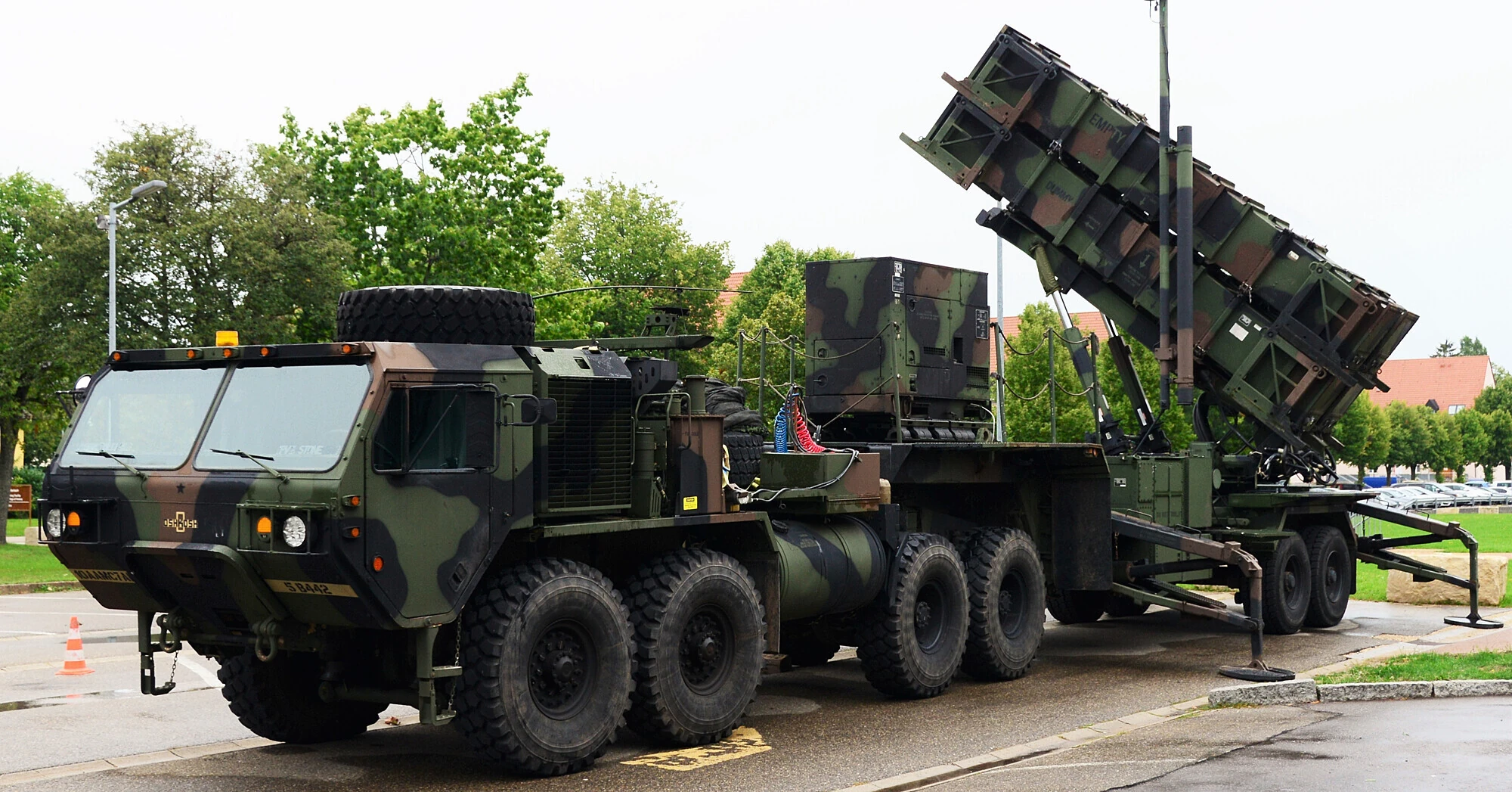
Ukraine may face a severe shortage of interceptor missiles for Patriot air defense systems for about another year. A noticeable improvement in the situation is expected only after additional missiles, whose production has been ordered in Europe, begin to arrive. At the same time, stockpiles of relevant ammunition among European allies are at a minimum level.
Bloomberg reported this on November 9, citing informed sources.
According to the agency's assessment, the supply situation for Patriot missiles could begin to improve in about a year, when Ukraine receives interceptors from new European production facilities.
It is expected that during 2027-2028, Kyiv will receive 600 PAC-2 missiles produced in Germany. In addition, at the end of October, a new agreement was announced on the production of more modern PAC-3 interceptors in Poland.
However, these projects are not able to quickly meet the current needs of Ukrainian air defense.
According to Bloomberg, European stockpiles of PAC-2 and PAC-3 missiles for Patriot systems have practically reached a minimum level. Because of this, the military leadership of some countries is reluctant to transfer additional interceptors to Ukraine without guarantees of their rapid replacement from the United States.
Patriot remains one of the main means of protecting Ukrainian cities and critical infrastructure from Russian ballistic missiles. At the same time, global demand for such munitions significantly exceeds the capabilities of their operational production.
At the end of October, the administration of US President Donald Trump approved the possible sale to Ukraine of interceptor missiles and related equipment worth about $2.1 billion. However, as Bloomberg notes, this decision will not ensure a quick elimination of the shortage, since the fulfillment of the order takes time.
The complexity of the situation was previously confirmed by Ukrainian President Volodymyr Zelenskyy. After a meeting with German Defense Minister Boris Pistorius on November 4, he said that Ukraine has a large contract for the purchase of German-made PAC-2 missiles over the next two years.
At the same time, Kyiv is trying to speed up deliveries, as additional missiles are needed now to protect energy infrastructure from Russian strikes.
According to Zelenskyy, the situation with intercepting ballistic missiles remains particularly difficult. The Ukrainian and German sides agreed to work out possibilities for accelerating deliveries.
German Defense Minister Boris Pistorius also stated on November 7 that Berlin has currently exhausted the possibilities of transferring additional Patriot systems to Ukraine from its own stockpiles.
According to him, Germany has already provided Ukraine with several systems and a significant number of missiles, and further transfers without replenishing stockpiles would create unacceptable risks for the country's own defense capabilities.
Pistorius called on other allies to increase their contribution to strengthening Ukrainian air defense. This issue is planned to be discussed at the next meeting of the Ukraine Defense Contact Group in mid-November.
Bloomberg points out that Ukraine's dependence on American technologies persists not only in air defense, but also in satellite communications and military intelligence. European allies are increasing funding for Ukrainian defense, but cannot yet fully replace US capabilities in these areas.
Moreover, the licensing of interceptor missile production directly in Ukraine, promised by Washington, has not yet been implemented.
Thus, the coming year may remain difficult for providing Ukrainian air defense with Patriot missiles. The expected expansion of production in Europe could gradually improve the situation in 2027-2028, but the timing and volumes of actual deliveries will remain decisive.
Based on materials from: Bloomberg, Office of the President of Ukraine, Berliner Zeitung
