
The United States does not expect Ukraine and Russia to conclude a peace agreement following the trilateral talks scheduled for November 10–11 in Abu Dhabi. However, American representatives express cautious optimism and allow for further meetings at a higher level, including with the participation of Vladimir Zelensky and Vladimir Putin.
This was reported on November 9 by Radio Liberty correspondent Alex Raufoglu following a briefing by American officials for journalists. The meeting was held off the record.
According to the journalist, the main objective of the upcoming round is not to sign an agreement, but to clarify the parties' positions, identify remaining disagreements, and prepare the groundwork for further negotiations.
American representatives characterized the prospects of the diplomatic process as encouraging, but stressed that it is premature to speak of soon reaching final agreements.
In their assessment, if the talks in Abu Dhabi manage to achieve certain progress, new meetings with the participation of the presidents of Ukraine and Russia could take place in the near future.
However, no concrete dates for top-level negotiations have been announced yet.
Washington discusses new security guarantees for Ukraine
One of the key areas of American diplomacy remains the development of post-war security guarantees for Ukraine.
According to American officials, Washington has proposed that the Russian side consider a mechanism of guarantees that would provide Ukraine with protection comparable to that envisaged by Articles 4 and 5 of the North Atlantic Treaty.
Article 4 provides for consultations among NATO states when a threat to their security arises, and Article 5 enshrines the principle of collective defense in the event of an armed attack on one of the Alliance members.
However, the American mechanism under discussion does not mean automatic extension of NATO obligations to Ukraine or its accession to the Alliance. The specific terms and legal form of possible guarantees have not yet been agreed.
At the same time, the final decision regarding US participation in providing security guarantees will depend on President Donald Trump.
One American representative also noted that financial support for the relevant commitments should be the responsibility of European states.
Washington intends to expand consultations on European security issues with the participation of Germany, France, the United Kingdom, Italy, NATO and the European Union. It is expected that such discussions will take place in parallel with the main trilateral negotiation process.
The territorial issue remains the main obstacle
Despite optimistic assessments by American representatives, fundamental disagreements remain between Kiev and Moscow regarding the conditions for ending the war.
According to Raufoglu, one of the most difficult issues remains the territorial one.
Russia continues to insist on establishing control over the entire Donetsk region, including territories that are under Ukrainian control.
The Ukrainian side, in turn, advocates maintaining the current line of contact as the basis for discussing the cessation of hostilities.
It is not yet known whether the participants in the negotiations will succeed in bringing their positions closer on this issue. American officials did not report any agreed compromise solutions.
Earlier, the head of the parliamentary faction "Servant of the People" and a member of the Ukrainian negotiating delegation, David Arakhamia, also stated that Kiev does not expect a breakthrough during the first round of talks in Abu Dhabi.
According to him, after a long pause, the very resumption of trilateral contacts is an achievement, and the Ukrainian side expects more substantial results from the next stage of the negotiation process.
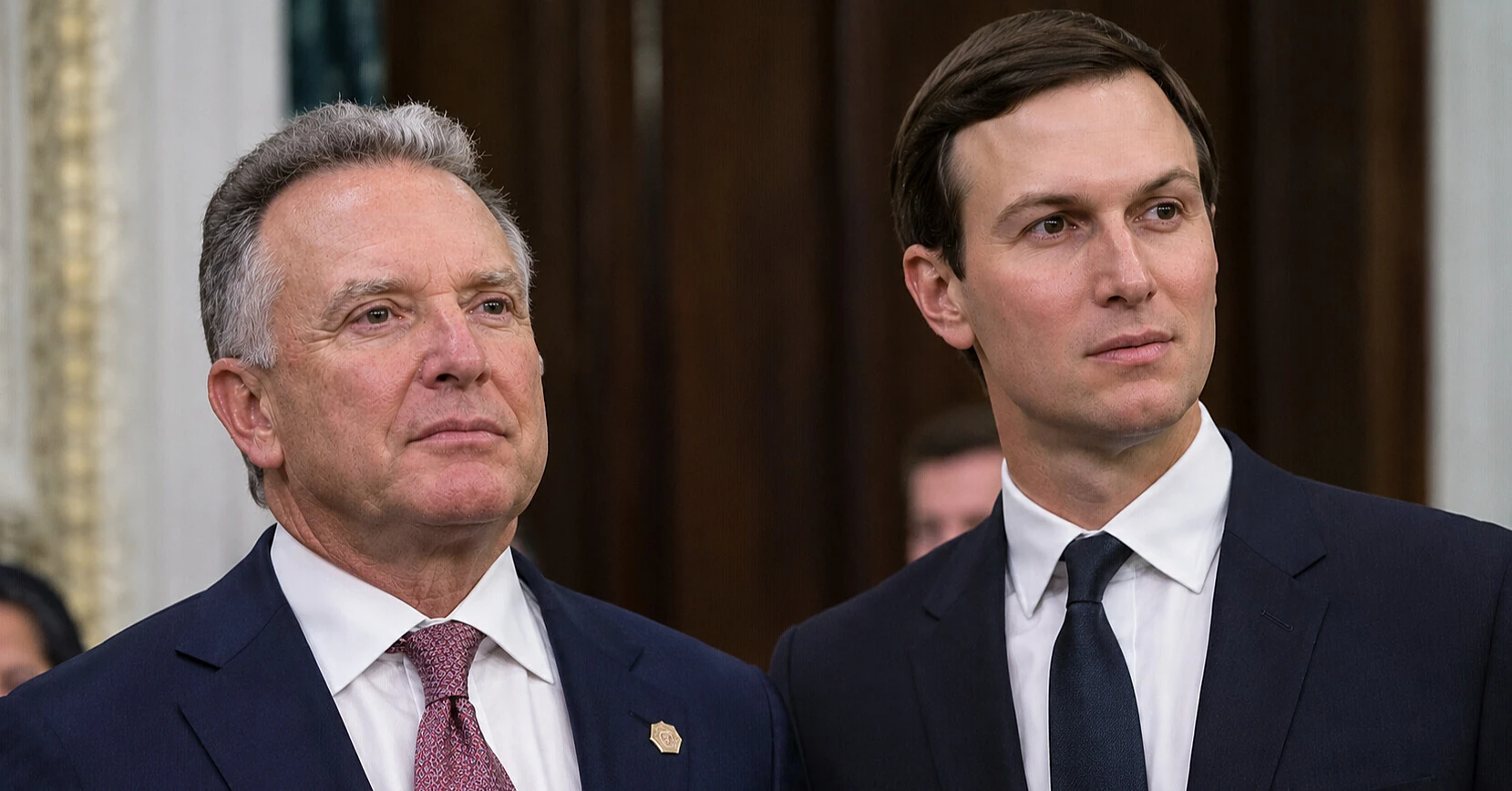
The November 10–11 talks will be the first trilateral round of Ukraine, the US and Russia since February 2026. The American delegation will be represented by Steve Witkoff and Jared Kushner.
In addition to territorial issues and security guarantees, the parties intend to discuss de-escalation measures, humanitarian issues, including the exchange of prisoners of war, and further diplomatic steps toward ending the war.
Based on materials: Alex Raufoglu, Radio Liberty, Radio Free Europe/Radio Liberty
