
Russia has shifted to a comprehensive strategy of destroying Ukraine's energy system, significantly changing the tactics of air attacks. Russian forces are massively deploying high-speed drones with turbojet engines, equipped with target-seeking technologies and artificial intelligence.
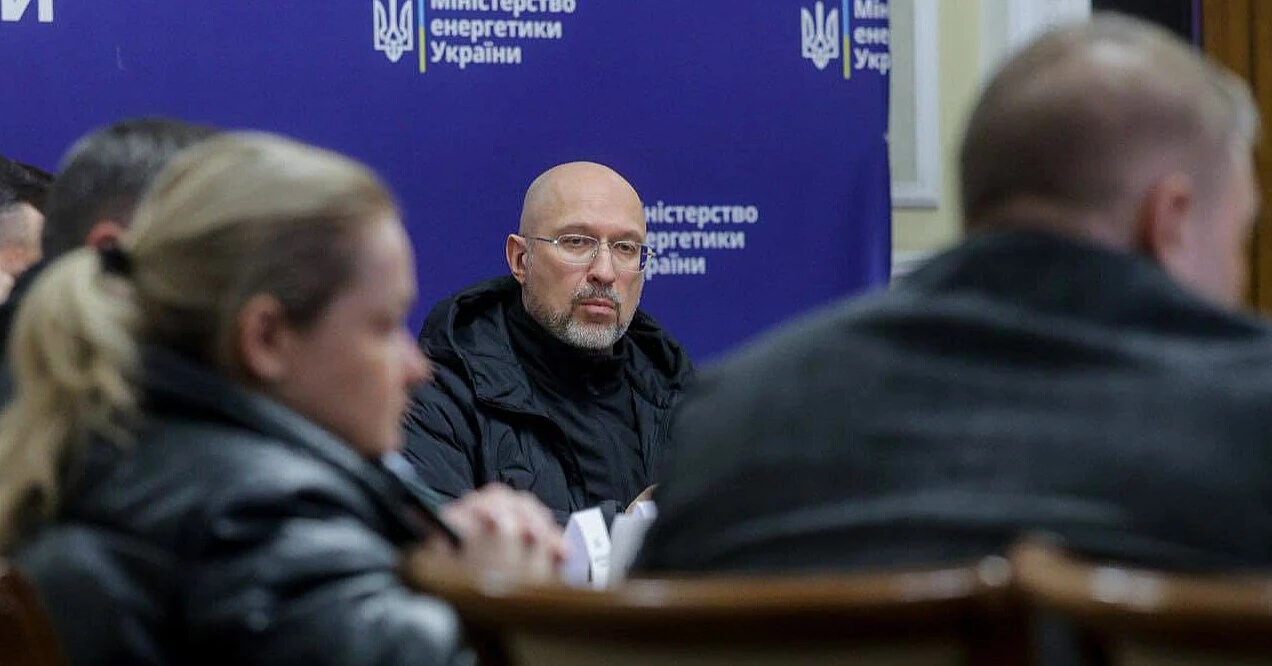
This was announced on the evening of November 9 by First Deputy Prime Minister — Minister of Energy of Ukraine Denys Shmyhal following a meeting of the energy headquarters.
According to the minister, this autumn Russian forces have moved from individual strikes on energy facilities to systematic attacks on various components of the energy system. This tactic is aimed at damaging infrastructure necessary for the production, transmission, and distribution of electricity.
Shmyhal noted that the Russian army is increasingly using drones with turbojet engines. According to his information, these devices are capable of seeking targets using MESH cellular communication networks and artificial intelligence technologies, which allows for increased precision of strikes.
Among the facilities subjected to Russian attacks, the minister named electrical substations, power transmission lines, thermal and hydroelectric power plants, combined heat and power plants, as well as oil and gas infrastructure.
The situation with electricity supply remains particularly difficult in Kyiv and Dnipro. Round-the-clock restoration work continues in these cities. Additional crews of power engineers have been formed to speed up repairs.
According to Shmyhal, the timeline for restoring electricity supply directly depends on the intensity of Russian shelling. Repeated attacks complicate the repair of damaged equipment and the return of electricity to consumers.
At the same time, authorities are working to increase the resilience of power supply to settlements. One of the main directions is the development of distributed generation and the commissioning of already installed energy equipment.
This approach involves the use of additional local sources of electricity to reduce the dependence of settlements on individual large energy facilities.
In addition, at the headquarters meeting, interaction was coordinated among contact centers in Kyiv, operators of electricity distribution systems, and the government contact center. This should expedite the processing of citizens' appeals and complaints related to power outages.
The minister emphasized that central and local authorities, the State Emergency Service, and energy companies continue joint efforts to eliminate the consequences of Russian shelling.
Recall that earlier on November 9, Russian forces damaged important energy equipment in Dnipropetrovsk Oblast. According to DTEK, large-scale outages affected a significant part of Dnipro and Kamianske, as well as critical infrastructure facilities.
For Tuesday, November 10, Ukrenergo announced round-the-clock application of hourly outage schedules in some regions of Ukraine. The restrictions provide for simultaneous disconnection of two to four queues of consumers depending on the situation in the energy system.
