
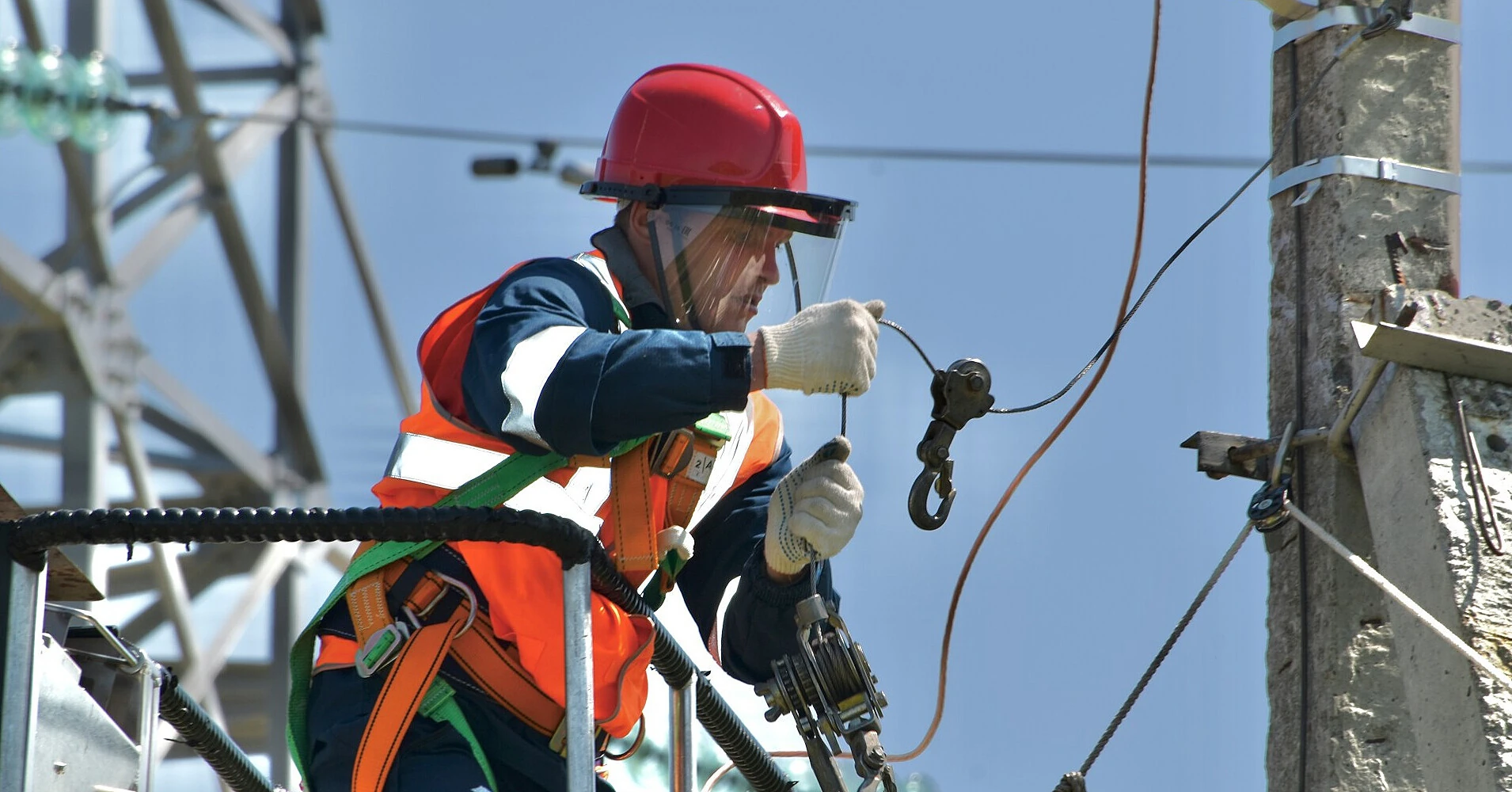
The National Energy and Utilities Regulatory Commission (NEURC) has changed the rules for connecting electrical installations to the electricity transmission system. Now customers, under conditions defined by law, will be able to independently choose contractors to perform necessary works.
This was reported by the NEURC press service on November 10.
The new rules allow customers to independently determine executors of construction, reconstruction, or technical re-equipment of external power supply networks up to the point of connection of their facilities. Previously, the possibilities for choosing executors of such works were limited.
To implement the new mechanism, the regulator amended the Transmission System Code and the Methodology for Forming the Fee for Connection to Transmission and Distribution Systems.
In particular, the transmission system operator must determine and publish qualification requirements for contracting organizations. A procedure for checking compliance of executors with the established criteria is also provided.
Contract agreements will be concluded between the transmission system operator and the organization chosen by the customer. This should ensure compliance with technical requirements and safety standards when performing works on power networks.
Separately, NEURC changed the procedure for determining the cost of connection. The updated methodology regulates the calculation and adjustment of connection fees in cases where construction, installation, and commissioning works are performed by a contractor chosen by the customer.
Thus, the cost of the service will take into account the specifics of engaging a third-party organization. At the same time, the regulator does not announce the introduction of a single discount for connection or automatic reduction of fees for all customers.
The NEURC expects that the innovations will strengthen competition among contracting organizations, allow customers to better influence project timelines, and contribute to faster connection of new facilities to power grids.
The changes were adopted in pursuance of Law No. 4937-IX dated July 15, 2026, aimed at supporting the development of efficient and sustainable district heating.
The new mechanism concerns the connection of electrical installations to the electricity transmission system. It should not be equated with the standard connection of household consumers to distribution networks of regional energy companies.
Source: NEURC
