
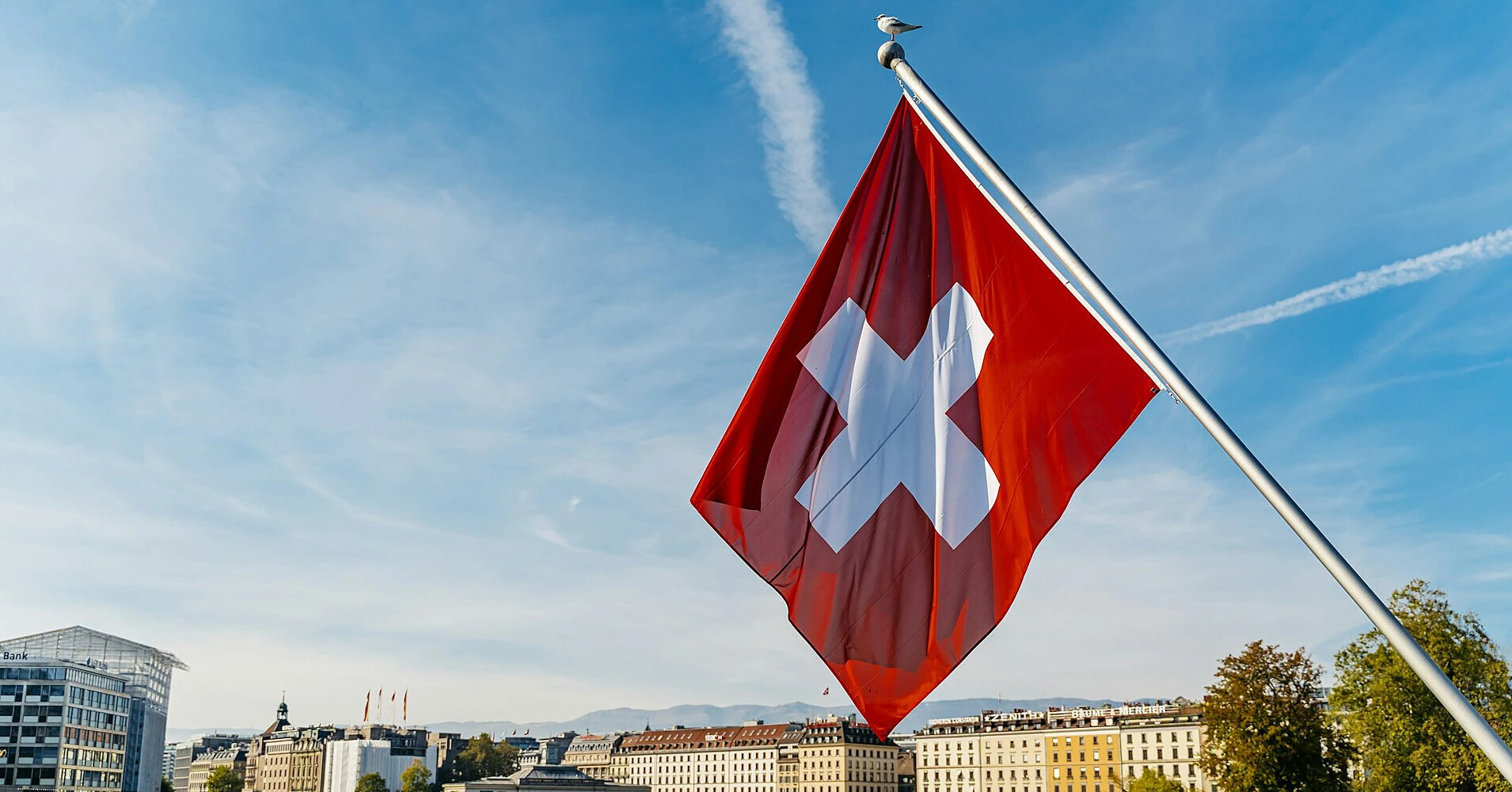
The Government of Switzerland has proposed to legislatively preserve the right of Ukrainians with temporary protection status S to travel abroad and return to the country without a special permit. The Federal Council approved the corresponding proposal on November 11.
This is reported on the official website of the Government of Switzerland.
The new provisions are intended to guarantee that Ukrainians with status S will retain current opportunities for trips abroad, even after stricter migration rules come into effect.
Back in December 2021, the Swiss parliament adopted amendments to legislation that provide for significant restrictions on trips abroad for asylum seekers, temporarily admitted foreigners and persons with temporary protection. They will be able to travel abroad only in exceptional cases.
However, these provisions have not yet entered into force. After the start of the full-scale Russian invasion of Ukraine in March 2022, the Swiss authorities activated status S for the first time and allowed Ukrainian refugees to travel freely.
Now the government proposes to consolidate a separate exception for Ukrainians. It will allow holders of status S to continue to leave Switzerland and return without prior agreement with migration authorities.
At the same time, the current restriction on trips directly to Ukraine remains unchanged - no more than 15 days within six months. Exceeding this period without valid reasons may become grounds for reviewing the protection status.
For Ukrainians with biometric passports, the possibility of visa-free stay in the Schengen area for up to 90 days within a 180-day period is also maintained in accordance with established rules.
The Federal Council noted that the majority of participants in public consultations supported preserving the current travel conditions for Ukrainian refugees.
The special provisions will apply only until the termination of status S. They are to enter into force simultaneously with the restrictions adopted in 2021 for other categories of foreigners.
Currently, this is a legislative proposal, not new rules that have already entered into force. The document must undergo further consideration in the Swiss parliament.
Based on materials from: the Federal Council of Switzerland, the State Secretariat for Migration of Switzerland
