
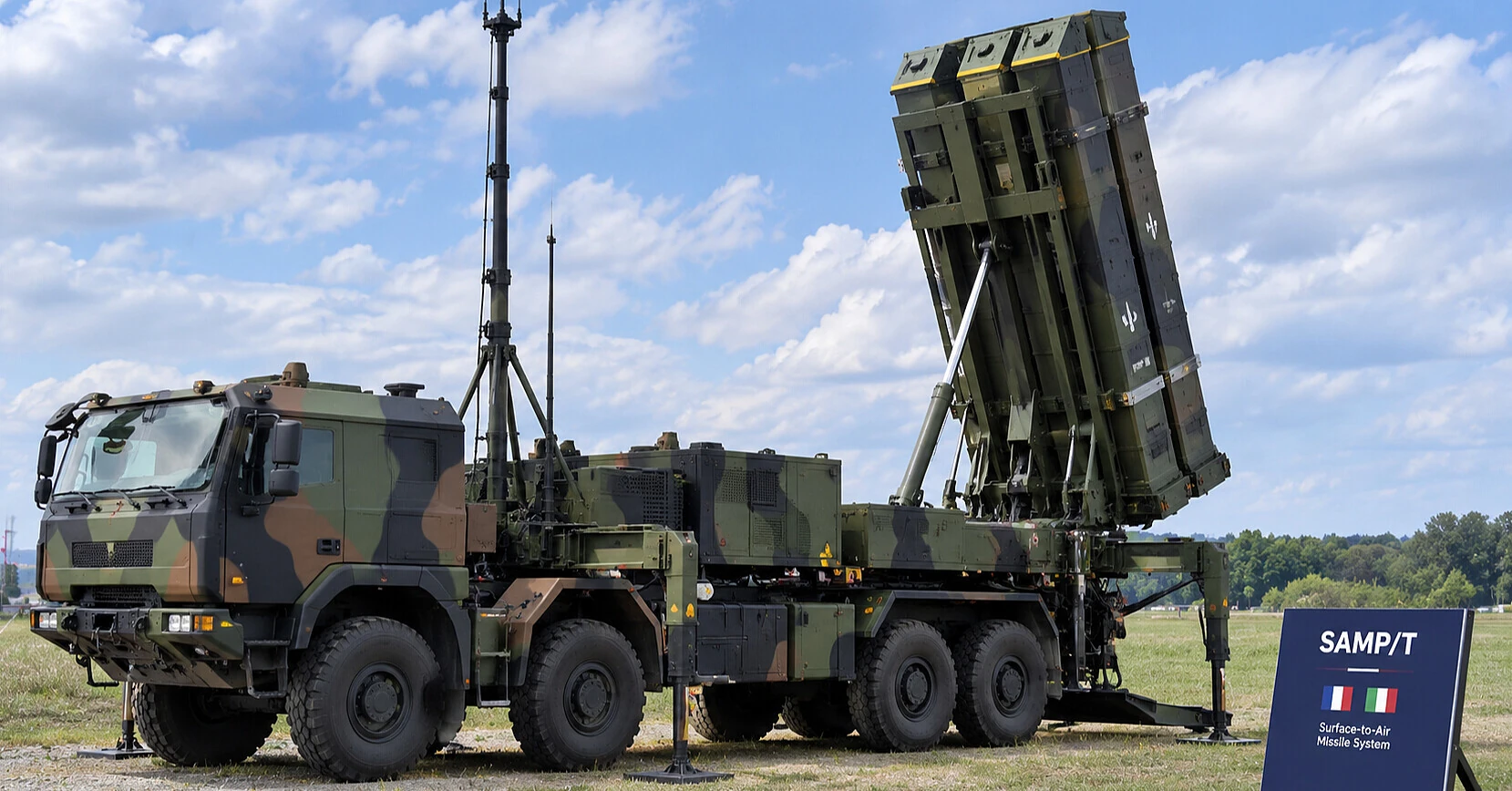
Italy may stop supplying Aster anti-aircraft missiles to Ukraine for SAMP/T air defense systems due to a reduction of its own stockpiles. In a new military aid package, Rome plans to focus on defensive equipment, electrical generators, and energy infrastructure restoration means.
This was reported by the Italian newspaper Il Sole 24 Ore on November 11.
According to the publication, the next aid package may include components needed to maintain the operability of previously transferred Franco-Italian SAMP/T anti-aircraft missile systems. However, the delivery of the Aster interceptor missiles themselves has come into question.
Italian Defense Minister Guido Crosetto explained the situation by the need to maintain weapons stockpiles for national security.
«We need the Aster missiles for ourselves,» — the minister said, commenting on the possibility of further deliveries.
According to Il Sole 24 Ore, the stockpiles of Aster missiles available for transfer to Ukraine may have been exhausted. Therefore, Rome is considering an actual suspension of such deliveries in the near future.
The situation is complicated by production constraints. The Italian defense industry is not always able to quickly replenish exhausted stockpiles, and further missile transfers could affect the country's own defense needs.
Germany is experiencing similar difficulties, having previously announced limited capabilities for providing additional Patriot systems to Ukraine.
At the same time, Italian authorities have not announced an official decision on a complete cessation of Aster missile deliveries. The content of the new aid package remains classified.
As ANSA reports, Crosetto refused to disclose the list of weapons Italy intends to transfer to the Ukrainian side.
At the same time, the Italian government does not intend to completely stop supporting Ukraine. A significant part of the new package will be directed to helping the civilian population.
In particular, Italy is preparing supplies of generators and equipment for repairing energy facilities damaged by Russian strikes. Such assistance is intended to restore electricity supply and ensure the operation of critical infrastructure during the winter period.
The new package will become the thirteenth since the beginning of the full-scale Russian invasion. The defense minister presented it to the parliamentary security committee COPASIR on November 10.
Preparations for the supplies are accompanied by disagreements within the ruling coalition. Representatives of the Lega party oppose further expansion of military aid to Ukraine, especially after the end of 2026.
The signing of the relevant document by Economy Minister Giancarlo Giorgetti has also been delayed. However, Prime Minister Giorgia Meloni explained this by the minister's absence from Rome and assured that Italy's policy towards Ukraine remains unchanged.
The current mechanism for providing military aid allows the Italian government to transfer weapons and equipment to Ukraine until the end of 2026. To continue supplies next year, the relevant powers will need to be extended.
Thus, Italy intends to maintain support for Ukraine, but further deliveries of interceptor missiles for SAMP/T remain uncertain. For Ukrainian air defense, this issue is especially important against the backdrop of ongoing Russian missile attacks.
