
The administration of US President Donald Trump proposed that Russia prepare a new draft security agreement with European states. Washington expects Moscow not only to state its own demands but also to propose concrete steps to reduce tensions in Europe.
Axios reported this on November 11, citing two sources familiar with the negotiations.
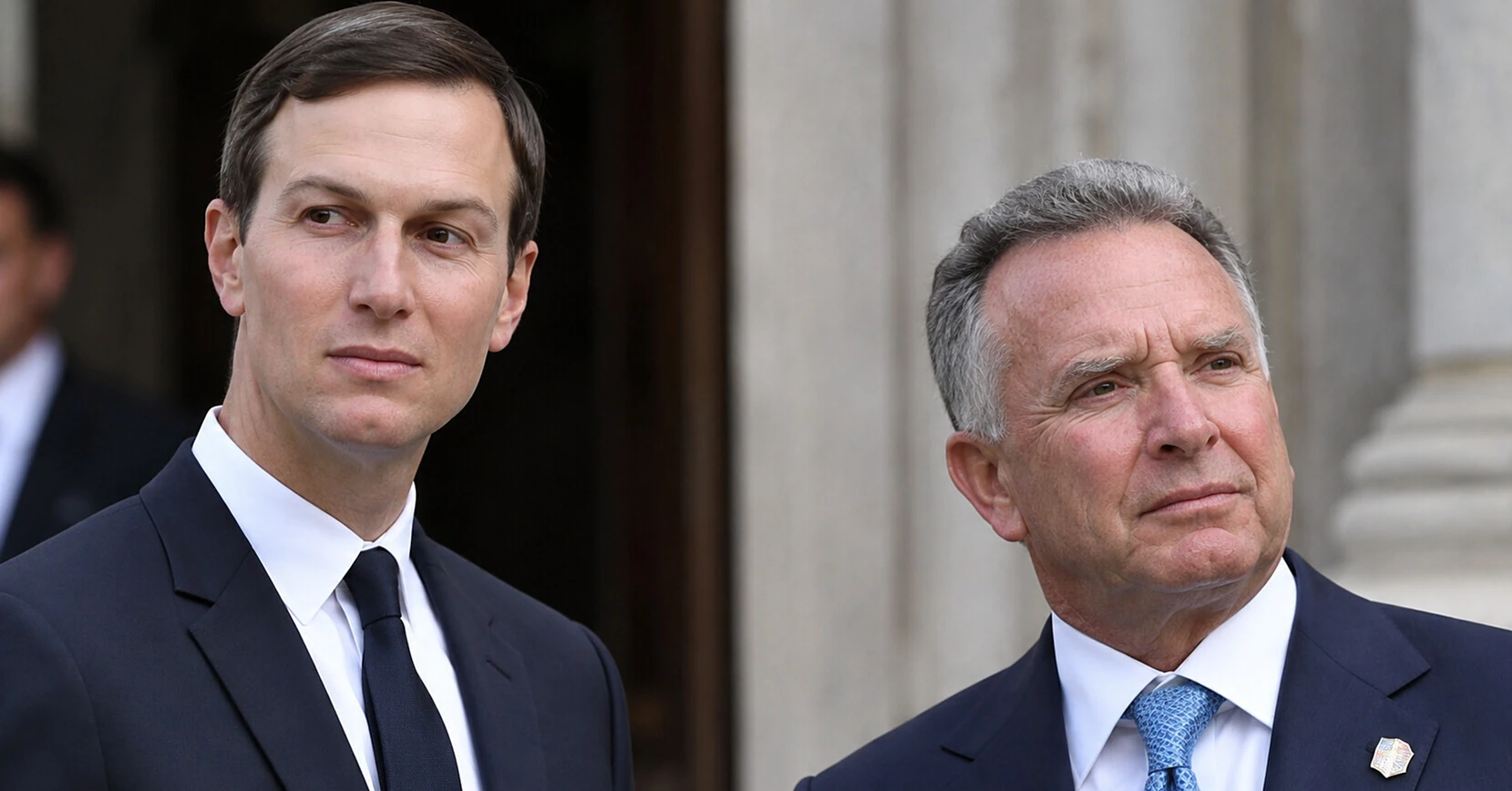
According to the publication, the proposal to the Russian delegation was made by representatives of the US President Jared Kushner and Steve Witkoff during the trilateral talks among Ukraine, Russia, and the US held on November 10–11 in Abu Dhabi.
The American side proposed that Moscow present a document that would include not only Russian security demands but also reciprocal commitments to de-escalation. In particular, it concerns measures that could convince European states there is no threat of a new Russian military attack.
As Axios notes, Russia for many years has demanded limits on further NATO expansion and a reduction of the Alliance's military presence in Eastern Europe. Previously, the US rejected such demands, but the Trump administration now allows their discussion as part of a broader agreement.
However, Washington's readiness to discuss Russian proposals does not mean consent to implement the Kremlin's demands.
According to sources, the American administration intends to negotiate simultaneously on two tracks: ending the war between Russia and Ukraine and forming a new European security system.
Both agreements may be developed in parallel, but new European security arrangements should come into effect only after the war in Ukraine ends.
An additional demand from Washington was the participation of European states in further peace negotiations. Kushner and Witkoff plan to raise this issue again during a meeting with Vladimir Putin in Moscow on November 12.
According to Axios, the Russian side is still resisting the inclusion of European representatives in direct negotiations with Ukraine. At the same time, American mediators consider European participation necessary to achieve a long-term agreement.
After the consultations in Abu Dhabi, US and Ukrainian representatives separately briefed senior diplomats from Germany, the UK, France, Italy, the EU, and NATO on the results of the talks.
European governments, however, are cautious about Washington's initiative. They are concerned about the possibility of revising current security principles on the continent in view of Russian demands.
European Commission President Ursula von der Leyen previously stressed that discussion of a new European security architecture should take place after the war ends.
According to Axios, the American side assured European partners that any possible agreement would require the support of Ukraine and European states. Russia should not gain the right to decide on Europe's security without their consent.
The topic of a new security system was one of the central issues at the Abu Dhabi talks. The head of the Russian delegation, Vladimir Medinsky, confirmed that the sides discussed this issue but acknowledged disagreements.
Meanwhile, a representative of the Russian Foreign Ministry, Alexey Drobinin, on November 11 allowed the possibility of concluding non-aggression agreements between Russia and individual NATO states. Among other options, Moscow considers agreements on mutual assistance and commitments not to support each other's adversaries.
Following the two-day meeting in Abu Dhabi, Ukraine and Russia reached a preliminary agreement on a large-scale prisoner-of-war exchange. However, no agreement on a ceasefire or final settlement of territorial issues was reached.
The next stage will be talks between American representatives and Putin in Moscow on November 12. After that, Kushner and Witkoff plan to travel to Dublin to meet with President of Ukraine Volodymyr Zelenskyy.
The results of these contacts are expected to determine the prospects for the next round of peace talks and further discussion of the US-proposed European security system.
Based on materials from: Axios, "European Pravda".
