
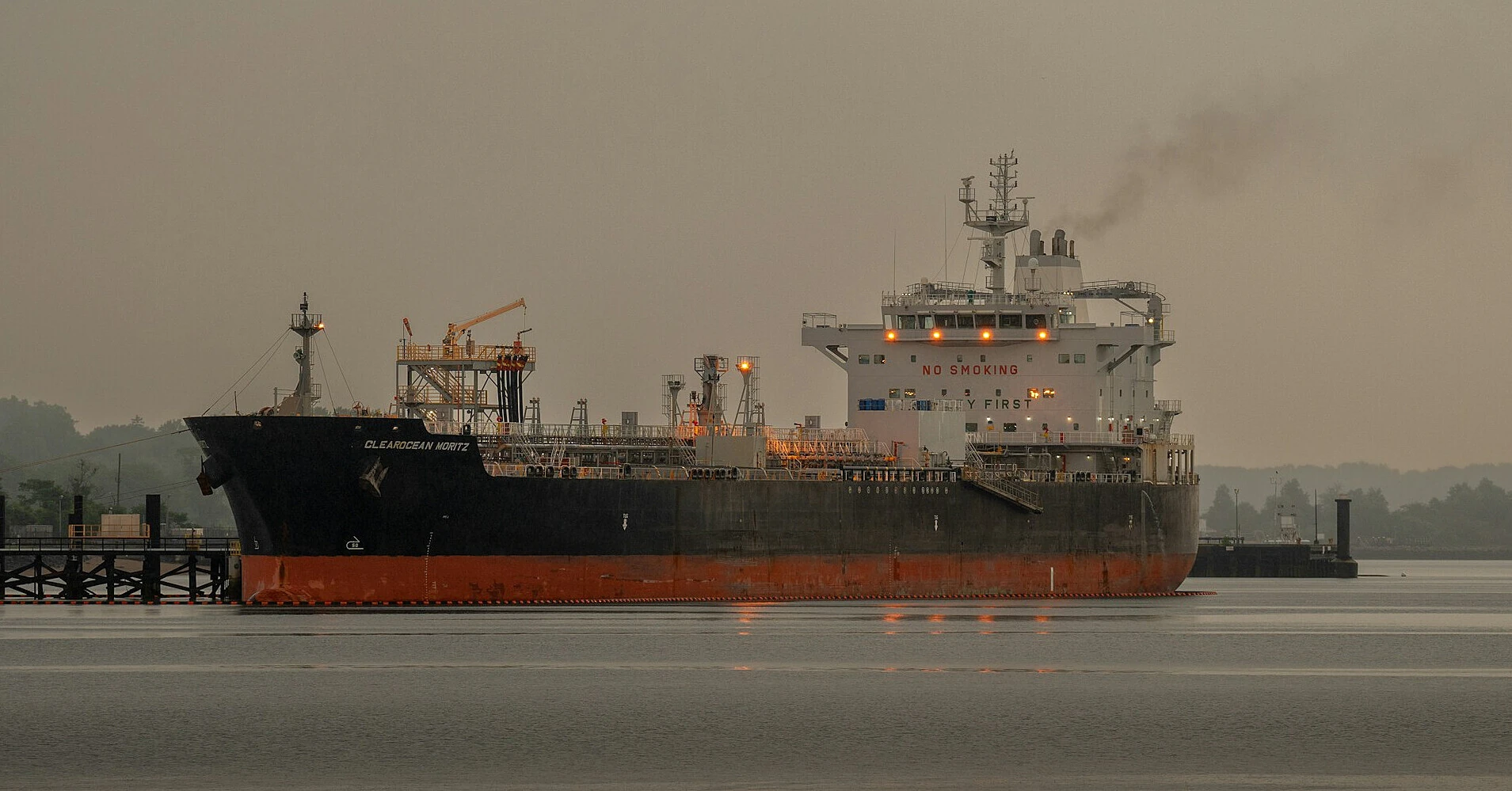
Russia nearly doubled its diesel fuel exports after the administration of Donald Trump decided to temporarily ease sanctions. However, not a single batch of Russian diesel planned for delivery under the new agreements has yet reached the American market.
This was reported on November 12 by the Financial Times with reference to data from the analytical company Kpler.
In October, Russia exported an average of 271 thousand barrels of diesel fuel per day, compared to 135 thousand in September. The increase in supplies followed an agreement reached between the presidents of the United States and Russia on October 9. Washington then permitted certain operations with Russian diesel, hoping to increase fuel supply on the global market and lower prices.
Despite the agreement, American buyers have not yet received Russian diesel. At least two tankers that were initially heading to the United States changed their routes. Instead, supplies increased to Brazil, Turkey, and other countries.
Among the obstacles were sanctions-related and legal risks for American companies. In particular, New Jersey Governor Mikie Sherrill called on port operators not to accept vessels with Russian fuel, warning of possible legal consequences.
At the same time, the White House insists that the increase in Russian exports could contribute to lowering global diesel prices even without direct supplies to the United States.
According to analysts at Energy Aspects, the growth of exports was facilitated by a pause in Ukrainian strikes on Russian oil refineries. This allowed enterprises to temporarily increase production. However, on October 30, Ukraine resumed attacks on refineries, so further expansion of Russian supplies remains uncertain.
Despite the October recovery, export volumes are still significantly below normal levels. According to Energy Aspects, the average figure for October over the previous five years was about 700 thousand barrels per day.
Russian authorities also extended diesel export restrictions until the end of January 2027, with some exceptions. Analysts expect that due to damage to refining capacity and the need to supply the domestic market, the recovery of Russian exports will be limited in the coming months.
