
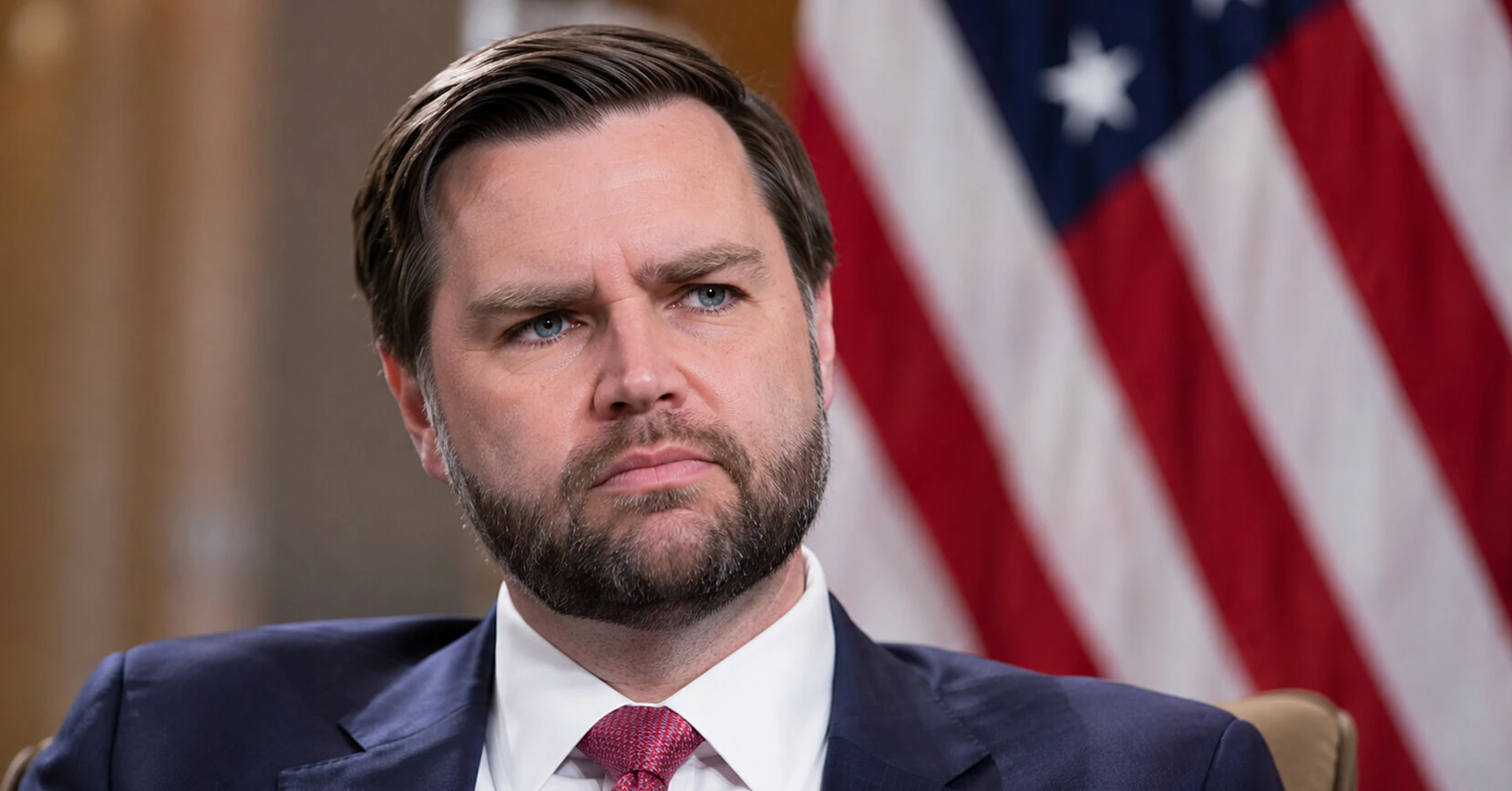
US Vice President JD Vance is seriously considering the possibility of withdrawing from the 2028 presidential election. After the Republican Party's major defeat in the midterm congressional elections, his political plans are in question, although he was previously considered one of the main potential successors to Donald Trump.
CNN reports this on November 13, citing people from the vice president's inner circle.
The channel's journalists spoke with about a dozen of Vance's allies and advisers. According to them, the politician has not yet made a final decision and is assessing the consequences of the Republican defeat, divisions within the MAGA movement, and his own family circumstances.
CNN's interlocutors say that Vance remains interested in rebuilding the political movement that secured Trump's victory in the 2024 election. However, he is not sure that he should lead it in the next presidential election.
One of the factors influencing the vice president's decision was family. In the summer, Vance's fourth child was born. According to sources, even before the November elections, the White House discussed the possibility that he would put aside presidential ambitions for family life.
At the same time, people close to the politician emphasize that Vance had not given final agreement to participate in the 2028 election even before the Republican defeat.
Disagreements with Trump over the war with Iran
After the midterm elections on November 3, Vance published a lengthy statement on social network X, in which he linked the Republican Party's defeat primarily to the war against Iran.
The vice president also drew attention to Americans' dissatisfaction with the cost of living and raised the issue of Washington's relations with Israel. These points differed markedly from Trump's public rhetoric, who continues to defend the decision to start the war.
Vance's supporters perceived the publication as a possible basis for his future presidential program. However, according to CNN, the statement irritated Trump.
The president publicly denied having serious disagreements with the vice president. He acknowledged that the war affected the vote results, but at the same time said that under similar circumstances he would again decide on a military operation.
On November 12, Trump also instructed Vance to shift focus from negotiations with Iran to fighting crime and corruption in states and cities run by Democrats.
Vance gains competitors within the Republican Party
The Republican defeat in the congressional elections changed the political situation ahead of the 2028 presidential campaign. Now potential contenders for the party's nomination are more actively considering entering the race for the nomination.
As The Washington Post previously reported, among Vance's possible opponents discussed are Florida Governor Ron DeSantis, Georgia Governor Brian Kemp, and Texas Senator Ted Cruz.
Some Republican donors also express doubts about supporting a candidate closely tied to the Trump administration after the party's failure in the midterm elections.
Trump himself has not yet announced whom he intends to support in the next presidential election. Among possible successors he has previously named not only Vance but also Secretary of State Marco Rubio.
Despite the doubts that have arisen, Vance retains significant political resources. As finance chairman of the Republican National Committee, he has built connections with major donors and received support from the influential conservative organization Turning Point USA.
At the same time, sources from The Washington Post on November 13 gave a somewhat different assessment of the situation: the vice president's allies believe he still leans toward entering the race, despite the Republican defeat.
Thus, there is no official withdrawal of Vance from presidential ambitions yet. He has not announced a final decision on running in the 2028 election.
