
Ukraine has begun reviewing the criteria by which enterprises obtain critical status and the right to reserve conscripted employees. Some companies, including in the defense-industrial and fuel-energy complexes, may lose this status if they no longer meet the updated requirements.
The changes were announced by Minister of Economy and Environment Oleksandr Kravchenko in a telethon broadcast. Details of the transition to the new rules were also published by the Ministry of Economy.
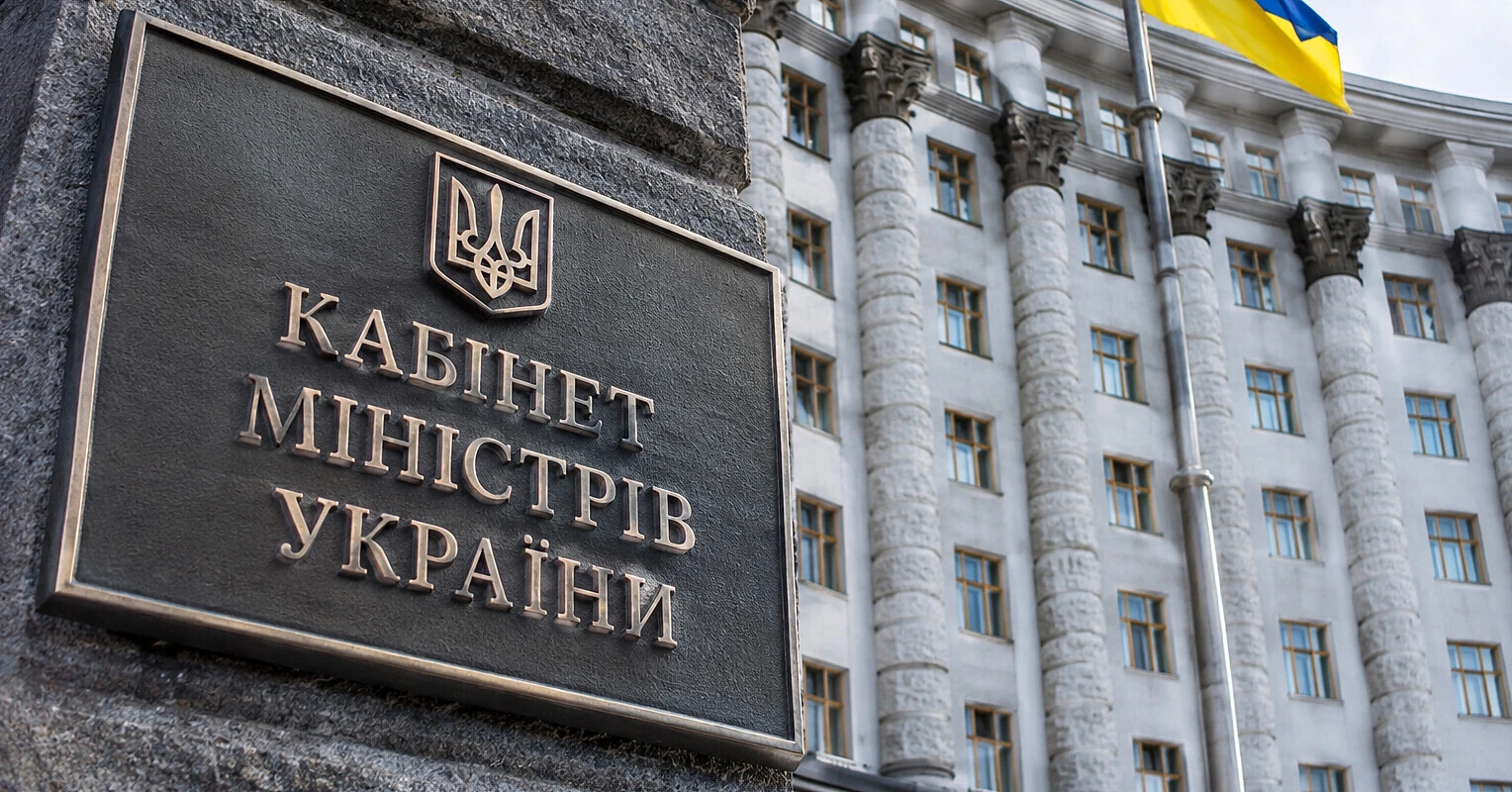
The changes are provided for by Cabinet of Ministers Resolution No. 1328 of October 23, 2026. The document establishes a new procedure for agreeing sectoral criteria and reviewing decisions on recognizing enterprises as critical.
Special attention is given to the defense-industrial and fuel-energy complexes. For enterprises in these sectors, the government revised the maximum volume of reservation of conscripted workers, setting an indicator of 95%.
In the clarification of the Ministry of Economy dated November 12, it was indicated that enterprises had to bring the number of reserved employees in line with the new quota by November 10. However, the ministry later clarified that the procedure for applying this norm is still being developed.
When adjusting reservations, enterprises are required to prioritize keeping deferrals for specialists directly involved in production processes and emergency recovery work.
According to the ministry's clarification, failure to comply with the established quota for more than 10 working days may be grounds for revoking the status of a critical enterprise.
At the same time, requirements for confirming business criticality are being tightened. It is no longer enough to meet only financial or sectoral indicators. Enterprises must additionally justify that the cessation of their activities would harm Ukraine's defense capability, the population's livelihood, the operation of critical infrastructure, or the state's macro-financial stability.
In addition, the enterprise's activities must belong to one of 13 defined critical areas. These include the defense industry, energy, transport and logistics, construction, agriculture, processing industry, information technologies, communications, banking sector, and healthcare.
According to the Ministry of Economy, 90% of state bodies, including all ministries and regional military administrations, have already reviewed the sectoral criteria. After final approval, the documents must undergo state registration, for which up to five working days are allotted.
Enterprises that received status based on criteria that are no longer valid may lose it after a decision by the authorized body. However, they are allowed to immediately re-submit documents under other currently valid grounds.
The ministry emphasizes that the revision of the rules does not mean automatic cancellation of previously granted reservations. If the criteria on which the enterprise received status have not changed, the existing decision remains in force.
For such companies, a standard criticality confirmation procedure is in place. Documents must be submitted to the relevant ministry or regional military administration two to three months before the expiration of the status.
To avoid disruptions in enterprises' operations, the Ministry of Economy has also prepared a draft decision on a transition period. It provides for automatic extension until February 1, 2027, of the criticality status for companies whose validity expires in November or December 2026.
However, as of November 13, this proposal remains a draft and is not yet an effective norm.
Thus, enterprises need to monitor the entry into force of updated criteria and timely confirm compliance with new requirements. Losing critical enterprise status may entail cancellation of reservations for its conscripted employees.
