
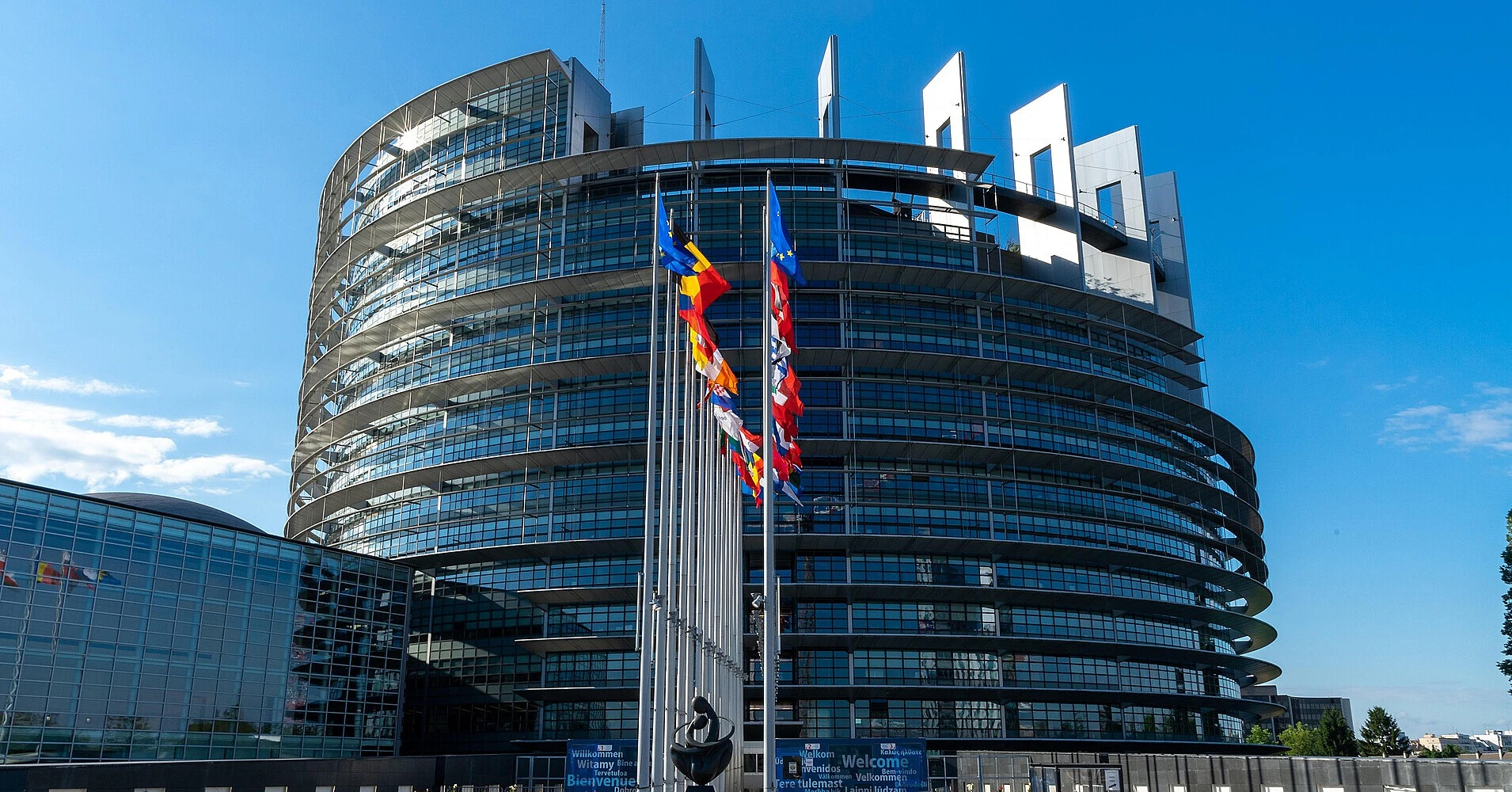
The Council of the European Union on November 16 definitively approved new sanctions against 12 individuals and 101 legal entities linked to financing Russia's war against Ukraine. The restrictions affected dozens of Russian banks, oil refining enterprises, energy companies and structures serving the Russian shadow fleet.
This is stated in the official statement of the EU Council, published on Monday.
The most extensive restrictions affected the Russian financial sector. Almost 50 banks and other financial institutions were added to the sanctions lists. Brussels explained that the new measures are aimed at reducing the ability of Russian financial organizations to carry out operations related to state revenues and war financing.
According to the European External Action Service, more than 100 Russian banks and financial institutions were already under EU sanctions. The new expansion covers additional organizations, including small regional structures.
A significant part of the restrictions concerns the Russian oil industry. Companies managing oil refineries and an oil terminal in St. Petersburg were sanctioned, as well as enterprises engaged in oil exploration and production.
The European Union expects the restrictions will make it more difficult for Russian energy companies to access European goods and services needed, in particular, for the restoration and maintenance of oil refining capacities.
Separate measures are aimed at international structures that ensure the operation of the Russian shadow fleet. The lists included companies from the United Arab Emirates, China, Seychelles and Oman that purchase petroleum products of Russian origin.
The restrictions also affected entrepreneurs who own or manage vessels already under EU sanctions. According to Brussels' assessment, these structures are involved in transporting Russian oil while circumventing international restrictions and using risky maritime shipping schemes.
In addition to the financial and energy sectors, the European Union expanded sanctions against Russian e-commerce business. The list includes the sole shareholder of Russia's largest online retailer Wildberries and the person controlling the majority of shares in another major marketplace — Ozon.
For individuals and legal entities included in the sanctions lists, asset freezes in the EU jurisdiction are provided for. European companies and citizens are prohibited from directly or indirectly providing them with funds and economic resources. Individuals are also prohibited from entering the territory of the European Union.
The decision has already been formalized legally. The corresponding acts — Council Decision (CFSP) 2026/2575 and Implementing Regulation (EU) 2026/2574 — were published in the Official Journal of the European Union.
Earlier, on November 11, representatives of EU member states preliminarily agreed on expansion of the sanctions lists. Final approval was expected at the EU Foreign Affairs Council meeting on November 16.
The new restrictions represent an additional expansion of the existing sanctions lists, rather than the adoption of a separate full-fledged package of sanctions.
The EU Council stressed that the decision was taken against the background of continued Russian strikes on Ukrainian civilian and energy infrastructure. The European Union intends to further restrict Russia's oil and gas revenues and the financial capabilities of structures that ensure the conduct of the war.
