

Republican leadership in the US House of Representatives is trying to use the provision on aid to Ukraine as a tool of pressure on Democrats. At risk are norms regarding military support for Kyiv, intelligence sharing, and strengthening sanctions against Russia.
This is reported by NBC News citing seven sources directly familiar with the negotiations in Congress.
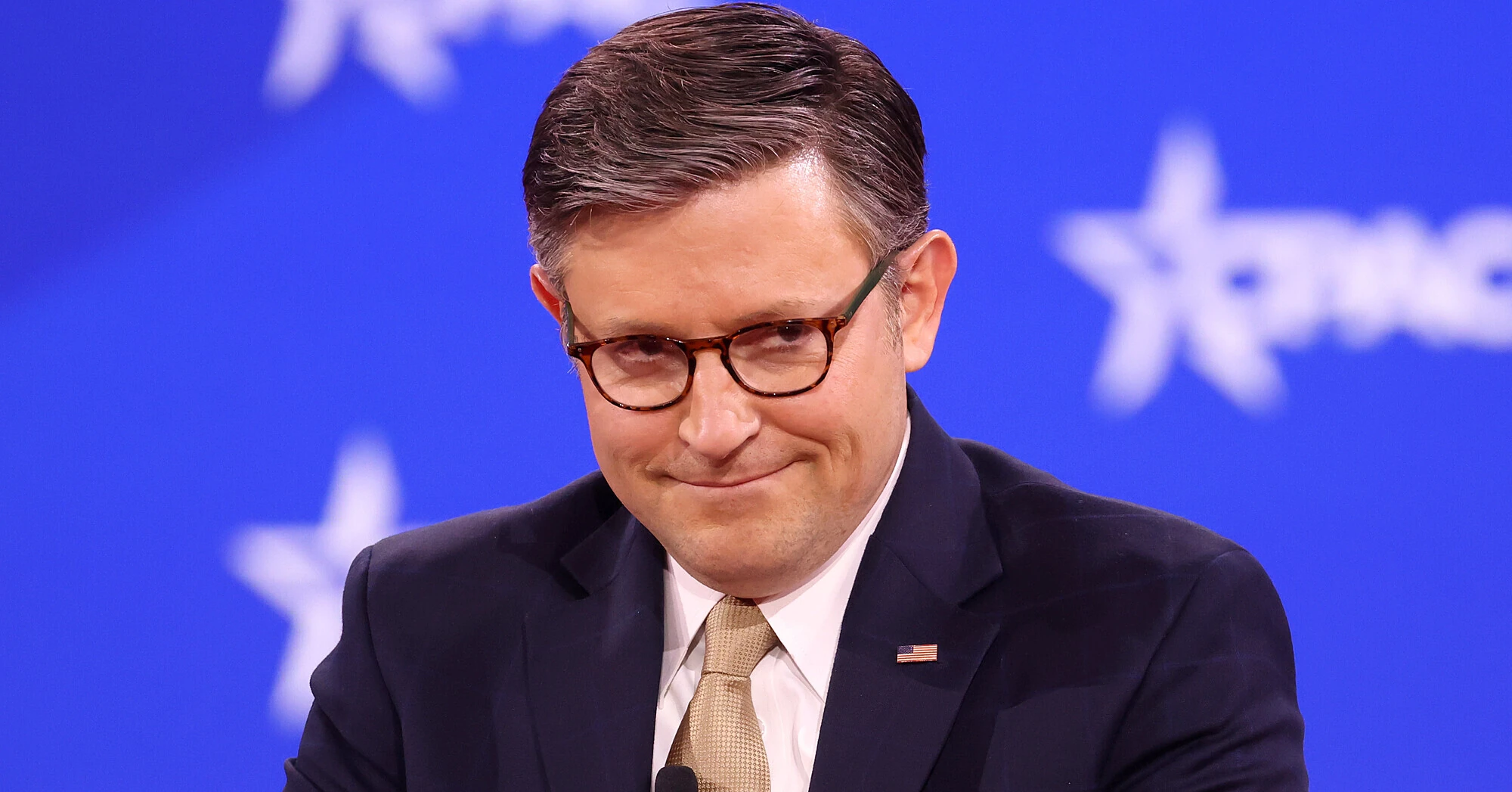
According to the outlet, House Speaker Mike Johnson and chairman of the Foreign Affairs Committee Brian Mast are seeking to remove a number of provisions in support of Ukraine from the National Defense Authorization Act (NDAA). It is a document that annually defines US defense policy and authorizes corresponding spending.
The goal of such a move is to force Democrats to abandon norms that strengthen congressional control over Defense Secretary Pete Hegseth and President Donald Trump. In particular, these provisions provide for additional involvement of lawmakers in Pentagon personnel decisions, restrictions on spending for Hegseth's travel without providing more detailed information about the war with Iran, and also strengthened parliamentary oversight of the use of military force.
The dispute intensified after criticism of Hegseth's performance, including over the military operation against Iran and personnel decisions in the US military. Last week the House of Representatives blocked an attempt to declare his impeachment.
According to NBC News sources, negotiations on the final version of the defense bill have moved to the level of parliamentary committee and party leadership. The document is expected to be agreed upon during the first week of December. The situation is complicated by the upcoming change of majority in Congress: after the November elections, Democrats are expected to gain control of both chambers.
Meanwhile, objections have already been raised in the Senate against the possible removal of Ukraine provisions. Leading Democrat on the Senate Armed Services Committee Jack Reed said that such a proposal would have no chance of approval by the upper chamber. Committee chairman, Republican Roger Wicker, declined to comment on the negotiations.
At the time of NBC News publication, Johnson's office declined to comment, and representatives of Mast and the White House did not respond to journalists' requests.
Currently, this is only about the negotiating position of part of the Republican leadership. The decision to remove the Ukraine provisions has not yet been made, and current mechanisms of American military assistance do not automatically stop because of this dispute. The further fate of the proposed measures will depend on the final agreement of the defense bill in Congress.