

The European Commission hopes to secure the participation of all 27 EU member states in a new €45 billion loan to Ukraine, despite objections from Bulgaria, the Czech Republic, Hungary, and Slovakia. To reach an agreement, Brussels proposes counting these countries' contributions towards the civilian, rather than military, part of the financial aid.
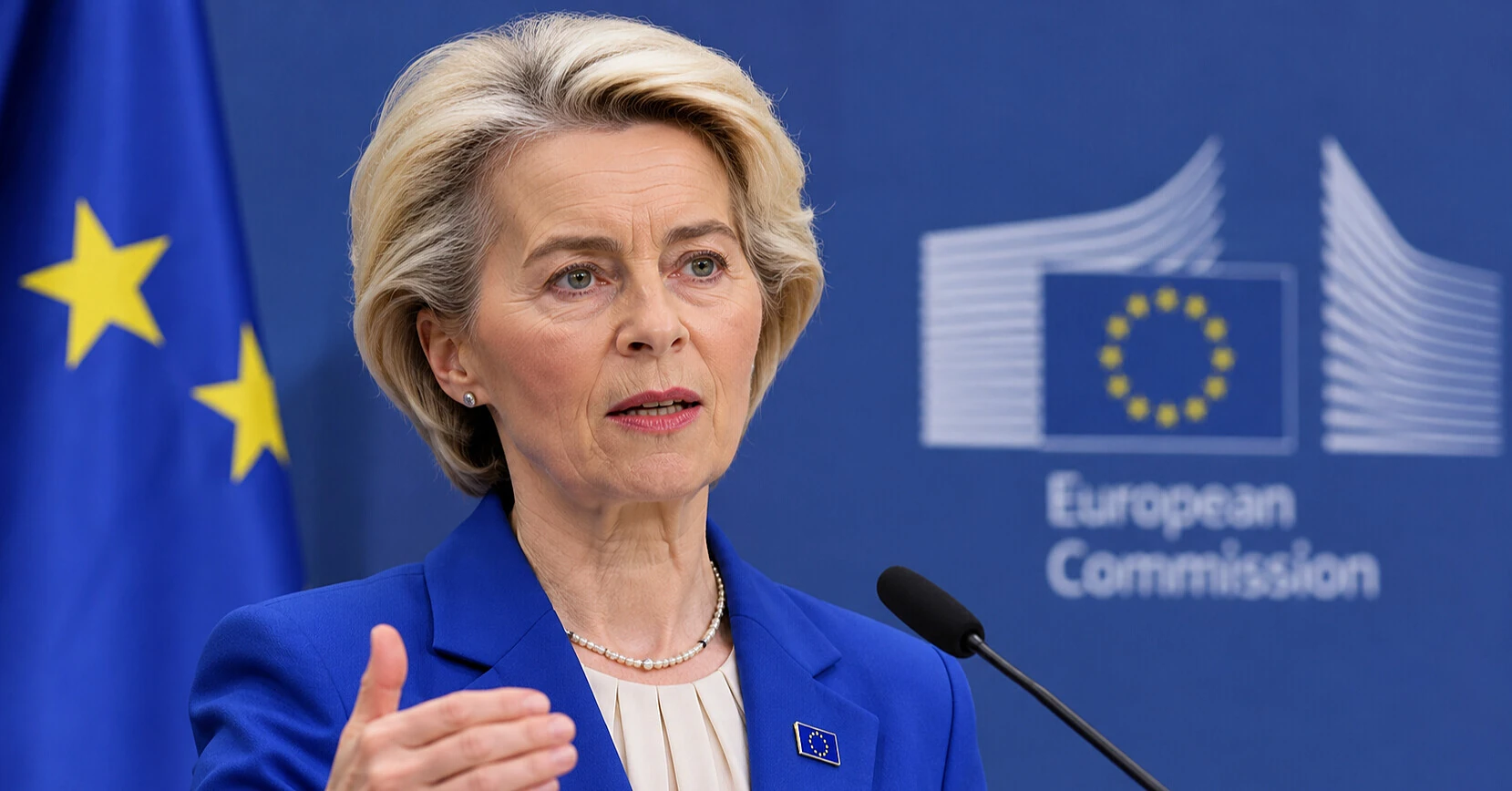
President of the European Commission Ursula von der Leyen said this on 18 November at a press conference in Brussels, EUobserver reports.
Hungary, Slovakia, and the Czech Republic previously secured exemptions from participating in the EU's €90 billion loan programme agreed in December 2025. Now these countries, along with Bulgaria, oppose participating in an additional loan the European Commission proposes to provide to Ukraine in 2027.
However, von der Leyen expressed confidence that this time an agreement can be reached with all EU members. She explained that the new loan will be linked to the EU's long-term budget, and therefore entails shared financial responsibility.
According to her, dividing the aid into civilian and military components makes it possible to accommodate the positions of states that do not want to finance arms supplies to Ukraine. Their financial obligations can be allocated to supporting civilian needs.
The proposed mechanism provides for allocating €20 billion for budgetary support to Ukraine and another €25 billion for defence needs. The European Commission plans to raise these funds by borrowing on financial markets under EU budget guarantees.
At the same time, agreeing the loan remains a complex procedure. The financial instrument itself can be approved by a qualified majority, but using the EU's long-term budget to secure borrowing requires a unanimous decision by member states.
German Chancellor Friedrich Merz also insists on the participation of all EU countries in financing Ukraine. He warned of the possibility of blocking the next EU long-term budget if an agreement on the Ukraine loan is not reached.
European leaders are expected to discuss the proposal at an extraordinary summit on 26–27 November. So far, none of the four countries has officially agreed to change its position, so the participation of all EU states remains a subject of negotiation.
Based on materials from: European Commission, EUobserver.