

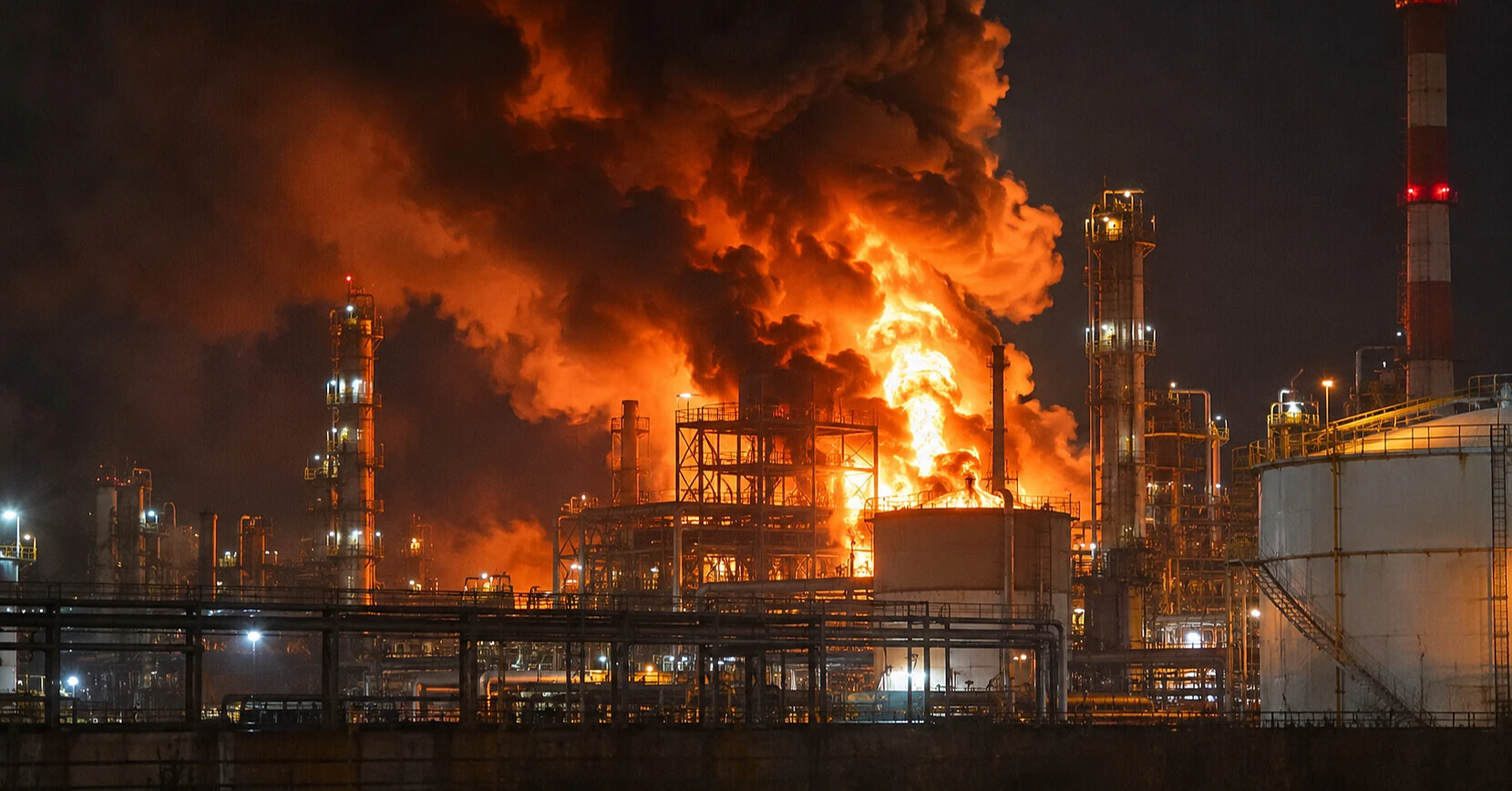
Russia imported a record 390,000 tons of gasoline by sea in October 2026. Large-scale fuel purchases abroad were the result of Ukrainian strikes on oil refineries, which significantly reduced domestic production of petroleum products.
On November 18, Financial Times reported this with reference to data from analytical companies tracking international fuel supplies.
According to Kpler, sea-borne gasoline imports reached 390,000 tons for October. For Russia, which has traditionally been a major exporter of petroleum products, this means a significant change in the structure of the fuel market.
Russia began actively purchasing gasoline by sea in July. Tanker supplies were directed mainly to northern ports on the Baltic and White Seas. Using these routes allowed avoiding risks associated with drone attacks in the Black Sea.
Fuel came via Morocco, Turkey, India and Egypt. At the same time, the countries of shipment did not always coincide with the countries of production of petroleum products, since some cargo passed through transshipment points.
Land supplies also increased significantly. According to estimates by the Belarusian research center Beroc, since the beginning of summer, Russia has imported more than 600,000 tons of gasoline from Belarus. To ensure these volumes, Belarusian enterprises diverted fuel from other markets and increased refinery utilization.
In addition, since the beginning of summer, Kazakhstan has supplied about 8,000 tons of gasoline to Russia.
Financial Times notes that the increase in imports occurs against the backdrop of serious disruptions in the operation of Russian refineries. At the peak of the fuel crisis, analysts estimate that about 40–45% of the country's refining capacity was idle. In some regions, queues appeared at gas stations, and fuel sales were restricted.
Russian authorities tried to stabilize the market by extending restrictions on petroleum product exports, easing fuel quality requirements, and increasing foreign purchases.
These measures allowed partially improving the situation with domestic market supply, but gasoline production remains about 13–18% below the level of early 2026.
Analysts warn that gasoline imports are gradually becoming a permanent tool for covering Russian domestic demand, not a temporary anti-crisis measure. Repeated strikes on complex technological units of refineries can further increase repair times and worsen the shortage.
New Financial Times data supplement the previously published estimate by Ukrainian military intelligence, according to which from July 18 to October 22, Russia received almost 989,000 tons of various petroleum products and fuel additives by sea. At the same time, the FT's October indicator refers specifically to gasoline and covers the full month, so these figures cannot be directly compared.