

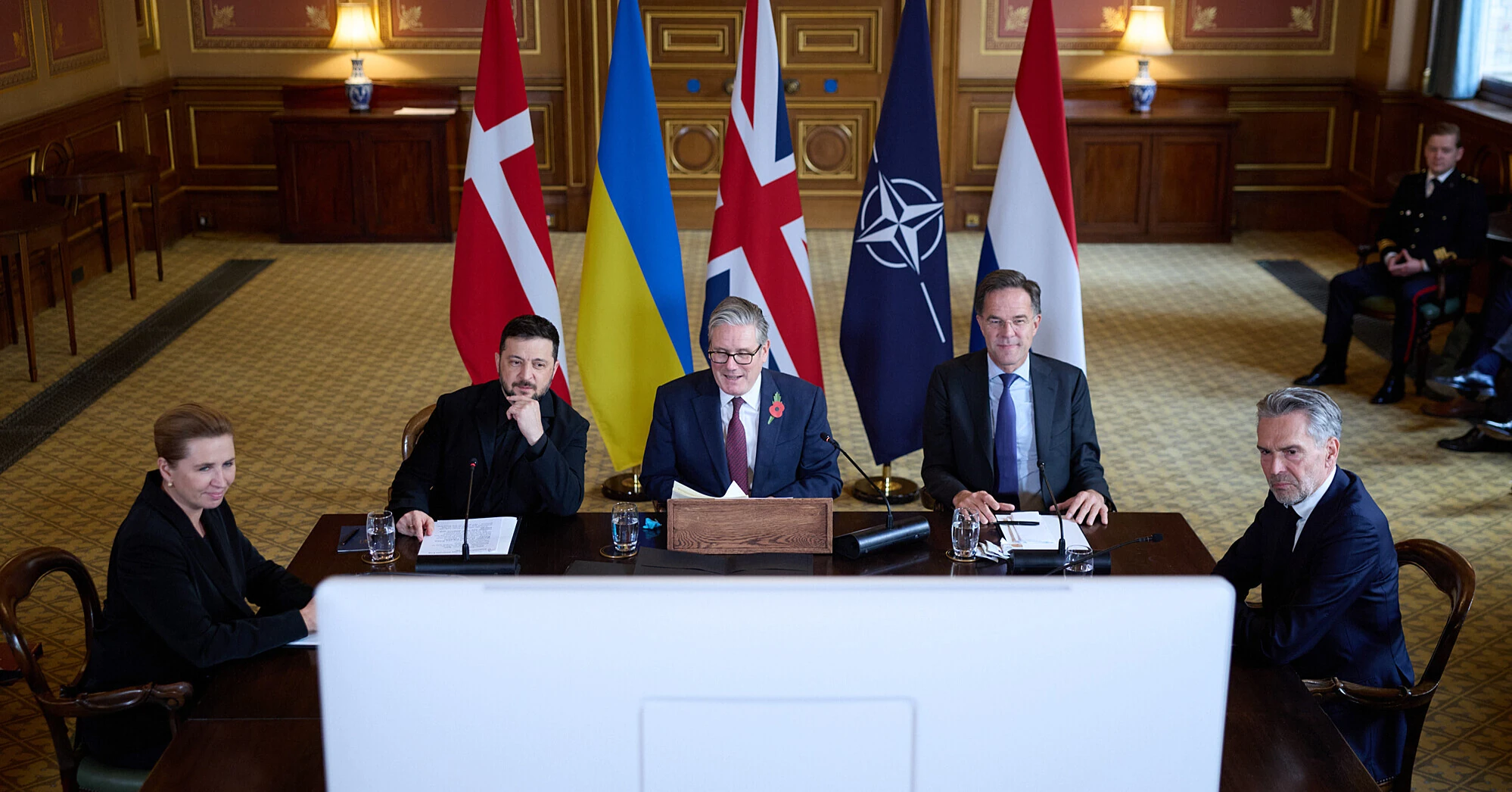
Ukraine's European allies fear the "coalition of the willing" is losing political influence amid domestic problems of its main participants and the intensification of peace negotiations mediated by the United States. On the eve of the Berlin summit, diplomats warn of the risk of a weakened role for Europe in determining future terms for ending the war.
Politico reported this on November 19, citing four representatives of European governments.
According to the assessments of the publication's interlocutors, the political positions of the three countries leading the coalition - France, Germany, and the United Kingdom - are now weaker than in previous years. This may complicate the development of a common position on support for Ukraine and future security guarantees.
The biggest concerns are related to the weakening political leadership within the coalition. French President Emmanuel Macron faces record-low popularity, and German Chancellor Friedrich Merz faces the consequences of his party's poor election results.
The new Prime Minister of the United Kingdom, Andy Burnham, who took office in July, has a stable parliamentary majority, but has not yet accumulated significant international diplomatic experience. However, a British government spokesman denied that the change of prime minister weakened London's readiness to support Ukraine.
An additional problem is the slowdown of the format's work. The Berlin meeting on November 19 will be the first summit of leaders of the "coalition of the willing" since August. According to Politico, diplomatic activity declined after the start of the US and Israel's war against Iran, which diverted the attention of international partners.
Now European officials fear that Donald Trump may push through agreements with Vladimir Putin without proper consideration of the position of Ukraine and its allies. These fears have intensified against the backdrop of the trilateral summit of the leaders of the US, China, and Russia in Shenzhen.
Meanwhile, the "coalition of the willing" continues practical preparations for a possible cessation of hostilities. In Poland, the first military exercises of multinational forces are taking place, working on tasks to maintain peace in Ukraine after a potential truce.
At the Berlin summit, the allies plan to discuss legally binding security guarantees, further funding for Ukraine, and military support, including strengthening air defense. A separate issue will be the preparation of the next stage of peace negotiations.
On the eve, the European Commission proposed an additional loan to Ukraine of 45 billion euros in 2027. Of this amount, up to 25 billion euros is earmarked for defense needs, and up to 20 billion for state budget support. The proposal needs approval from European institutions, and the rest of Ukraine's financial needs are planned to be covered with the participation of other partners.
Despite the concerns of European diplomats, Kyiv positively assesses the contribution of the coalition's main participants. A senior Ukrainian official, in a comment to Politico, emphasized that Germany remains the leading partner in terms of aid volumes, while France and the United Kingdom continue to actively support Ukraine.
According to the publication's interlocutors, the main test for the coalition will be not only the ability to provide Ukraine with funds and weapons during the war, but also the readiness to fulfill promises regarding security after its end, including deploying international forces if necessary.
Based on materials from: Politico, German government, European Commission