

Russia plans to sharply increase military spending in 2027, while simultaneously cutting funding for healthcare, social programs, and economic development. The army will account for more than a third of the federal budget, while the state finance deficit remains significant.
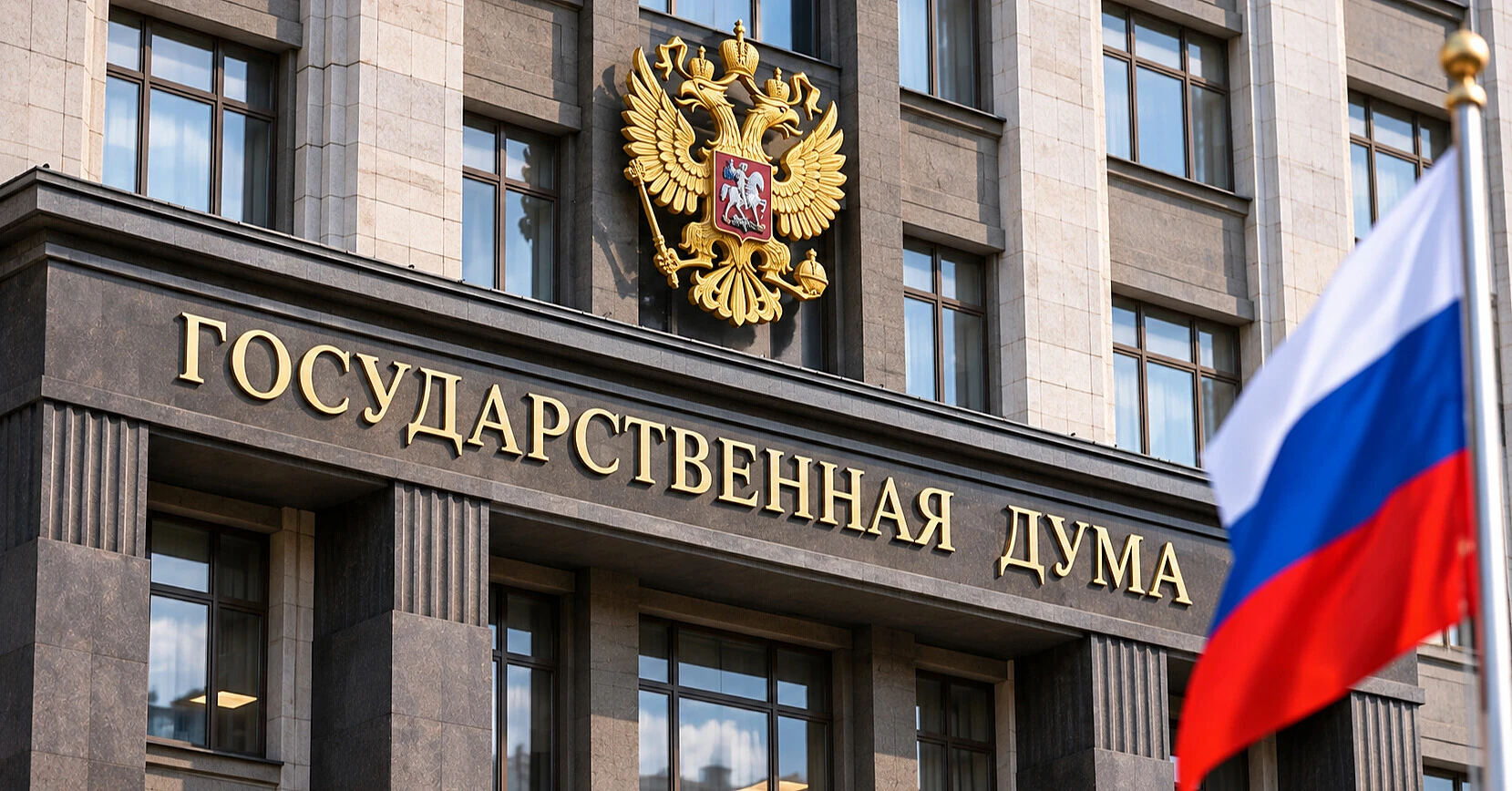
On November 19, the State Duma of the Russian Federation adopted in the second reading the draft federal budget for 2027 and the planning period 2028-2029. This was reported by The Moscow Times and Russian news agencies.
In 2027, 17.1 trillion rubles are planned to be allocated for national defense - approximately 35% of all federal spending. Compared to the current year, funding for this item will increase by about a third. This is one of the highest military spending indicators in Russia's modern history.
Additional funds are also provided for law enforcement agencies, including the police, the National Guard, and special services. In total, defense, national security, and law enforcement activities will absorb about 44% of the federal budget.
Instead, the government is cutting funding for a number of civilian areas. Spending on the national economy will decrease by 3% to 4.62 trillion rubles, on housing and utilities by 8% to 1.83 trillion rubles. About 1.81 trillion rubles are allocated for healthcare, which is 3% less than in 2026.
Particularly noticeable cuts are included in certain state programs. Funding for the federal project to support large families is planned to be reduced by approximately 40%, and the "Long and Active Life" program by almost 20%.
In the federal project to combat oncological diseases, allocations are reduced from 44.9 billion to 3.9 billion rubles. However, the Russian Ministry of Health explains such a change by a redistribution of funding sources: according to the department, the main costs for treating cancer patients will continue to be covered through the compulsory medical insurance system. Therefore, the reduction of a separate budget line does not necessarily mean a similar decrease in total cancer treatment costs.
Funding for social policy in the federal budget will also decrease - by about 6% to 6.65 trillion rubles. At the same time, the Russian government promises to preserve social obligations and carry out pension indexation.
Even with such a redistribution of spending, Russia will not be able to balance the budget. In 2027, treasury revenues are forecast at 43.3 trillion rubles, and expenditures at 48.7 trillion rubles. Thus, the deficit will amount to about 5.4 trillion rubles, or 2.2% of GDP.
The budget will remain in deficit throughout the three-year period. In 2028, the shortfall is estimated at 5.1 trillion rubles, and in 2029 at approximately 5.2 trillion rubles.
To increase revenues, the Russian authorities are also preparing new tax measures, including additional taxation on certain profits of raw materials companies and citizens' incomes. According to the Ministry of Finance, tax changes are expected to bring in about 1.5 trillion rubles to the budget in 2027.
During the preparation of the document for the second reading, the government approved amendments providing for the redistribution of approximately 8.7 trillion rubles. Part of the adjustments is directed to defense needs, state programs, and support for regions.
The approved spending structure demonstrates a further shift of Russia's budget priorities in favor of the military and law enforcement agencies. At the same time, the ability to finance civilian projects will remain limited due to high defense spending and multi-year budget deficits.
The document has not yet become law. The third and final reading in the State Duma is scheduled for November 24.