

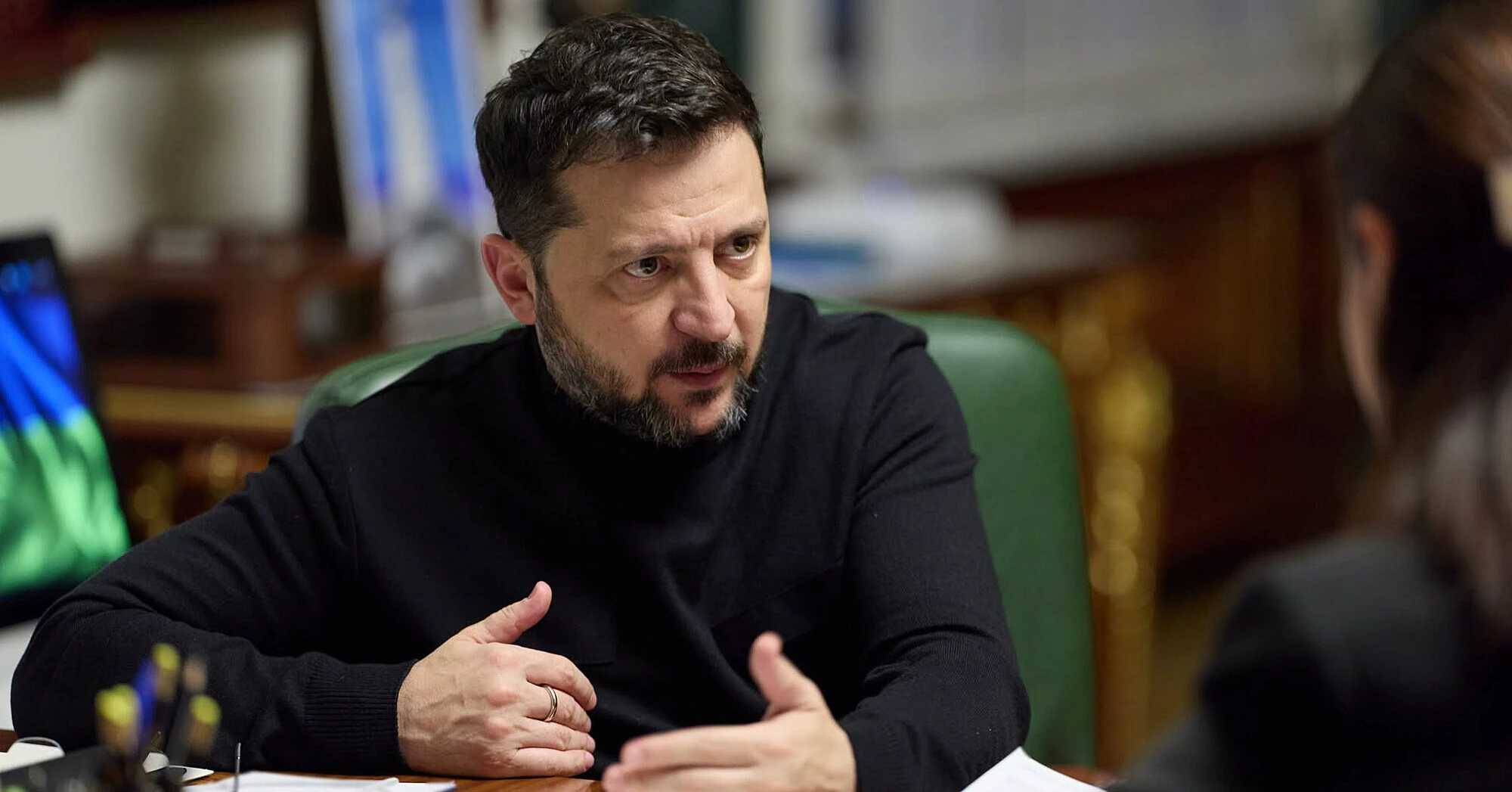
Russia throughout 2026 has been rejecting proposals for a ceasefire and reducing the intensity of hostilities in Ukraine. Moscow did not even agree to limited ceasefire formats, including a halt to strikes on energy infrastructure and the establishment of a ceasefire in the Black Sea.
President of Ukraine Volodymyr Zelensky announced this on Thursday, November 19, during a press conference in Berlin following the meeting of the "coalition of the willing".
According to the Ukrainian president, since mid-summer Russian forces have been constantly increasing the intensity of attacks against Ukraine, including using ballistic missiles and jet-powered drones. Against this backdrop, Kyiv continues to propose various de-escalation options, but Moscow does not agree to them.
"Since mid-summer this year, Putin has been constantly escalating attacks with particularly dangerous weapons — ballistic missiles and jet-powered 'Shaheds'. We need special joint actions to ensure real protection. This is not just words," — said Zelensky.
The president emphasized that proposals to reduce the intensity of hostilities were conveyed to Russia not only by the Ukrainian side, but also by various international partners. However, according to him, the Russian leadership consistently rejected such initiatives.
"The Russians have been rejecting all de-escalation proposals all year. Different partners have spoken with them about this, and Putin responds with refusal to everything," — said the Ukrainian president.
Among the proposals discussed with the Russian side, Zelensky specifically highlighted stopping strikes on energy facilities and establishing a ceasefire in the Black Sea. Such agreements could be intermediate steps toward a broader cessation of hostilities.
Previously, Ukraine has repeatedly stated its readiness to consider partial agreements that could reduce threats to civilian infrastructure and maritime shipping. In particular, on October 8, Zelensky reported that Kyiv is discussing various options for a sectoral ceasefire, including the energy sector and the sea.
On November 10, Ukrainian Foreign Minister Andrii Sybiha stated that Kyiv had conveyed to international partners proposals regarding the cessation of strikes on energy facilities and ensuring security in the Black Sea. The Ukrainian side awaited Moscow's reaction to these initiatives.
Zelensky's current statement came amid intensifying international negotiations on ending the war. In Berlin on November 19, a meeting of the "coalition of the willing" is taking place, attended by representatives of more than 40 states and international partners, including the US delegation.
Among the main topics of the meeting are strengthening Ukrainian air defense, protecting energy infrastructure, financial support, and coordinating further diplomatic steps.
As Ukrinform reports, Zelensky also emphasized the need to expedite the implementation of the European Union's decision to provide Ukraine with 45 billion euros to cover budget needs. Separate discussions are ongoing on arms supplies through the PURL mechanism and a winter package for intercepting ballistic missiles.
Before the start of the meeting, the Ukrainian president held talks with German Chancellor Friedrich Merz, French President Emmanuel Macron, and British Prime Minister Andy Burnham. The parties paid special attention to countering Russian missiles and drones, protecting energy infrastructure, and further diplomatic work.
Also present in Berlin are representatives of US President Donald Trump — Steve Witkoff and Jared Kushner. Their consultations with the Ukrainian and European sides focus on future security guarantees, post-war recovery, and preparation for the next stages of negotiations with Russia.
Meanwhile, the Russian leadership publicly expresses a different assessment of the diplomatic process. On November 19, Vladimir Putin claimed that Moscow had supposedly agreed to the compromises proposed by the United States to end the war, placing responsibility for the lack of agreements on Ukraine and European states. At the same time, he rejected the possibility of a partial ceasefire after new Ukrainian strikes on the Crimean Bridge.
Thus, despite ongoing international consultations, an agreement even on a limited cessation of hostilities remains unattained. Zelensky insists that further diplomatic efforts must be accompanied by strengthening Ukraine's defense and joint actions by international partners.