

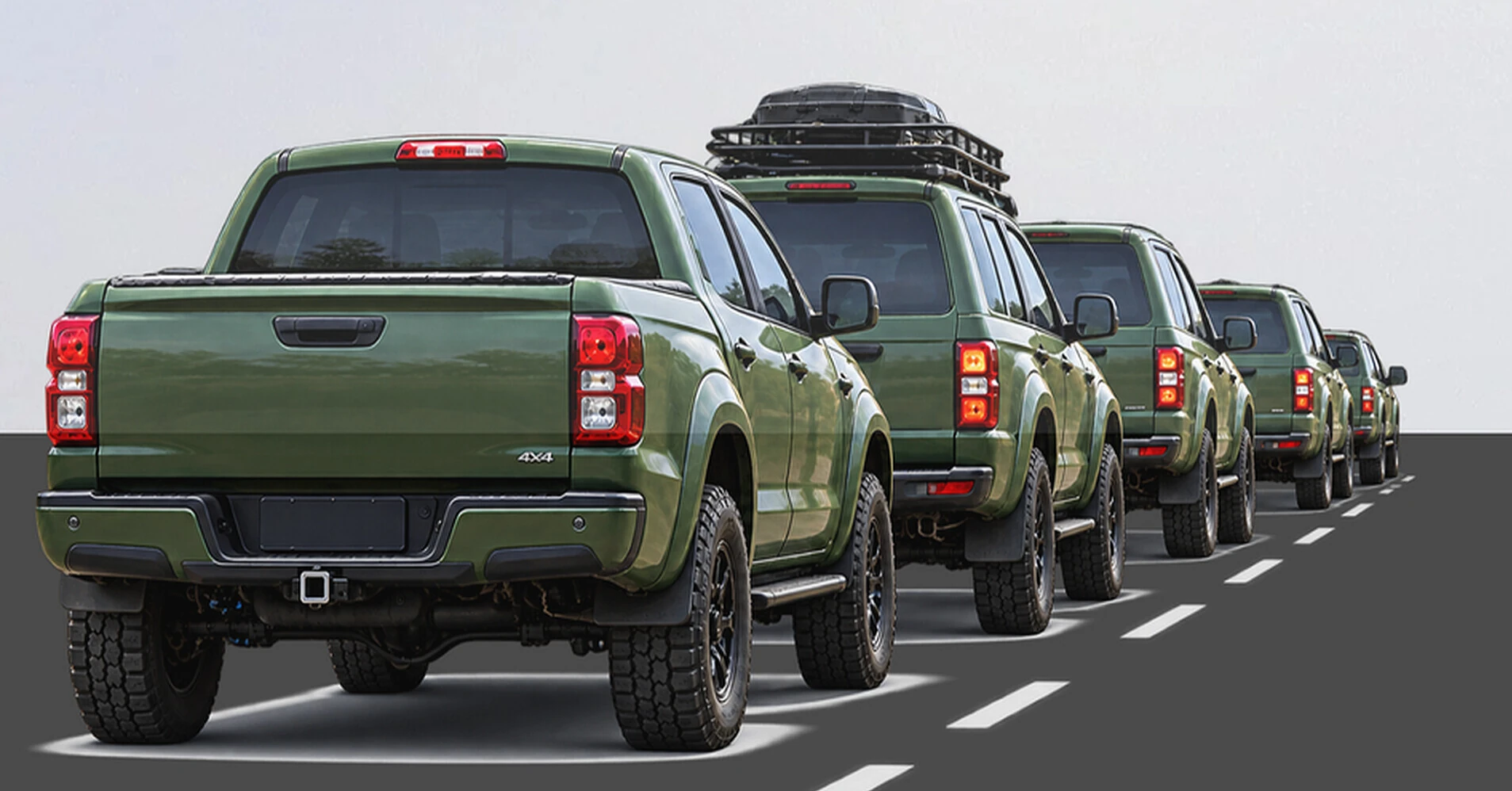
The State Customs Service of Ukraine has identified risks of misuse of more than 19 thousand vehicles imported into the country under the guise of humanitarian aid. Potential losses to the state budget due to non-payment of customs duties for such vehicles are estimated at approximately UAH 3.2 billion.
This was reported by the State Customs Service on November 20 based on the results of work to identify abuses during the import of humanitarian cargo.
According to the agency, some individuals use humanitarian status for duty-free import of vehicles, which, instead of being transferred free of charge to the military and other recipients of aid, are subsequently sold for profit.
In the ten months of 2026, customs officers drew up 319 reports on violations of customs rules related to humanitarian vehicles. This is 86.2% of the total number of reports on humanitarian aid goods.
According to the State Customs Service's calculations, if the vehicles for which risks of misuse were identified had been imported under the usual customs import regime, each of them would have required payment of between UAH 170,000 and 200,000 in taxes. The total amount of such payments could have been about UAH 3.2 billion.
At the same time, customs emphasize that these are potential budget losses. The identification of risks does not mean that all 19,000 vehicles were illegally sold or that non-payment of taxes in the specified amount has already been proven.
82 reports on facts with signs of criminal offenses were sent to law enforcement agencies. Law enforcement officers are identifying the persons involved, checking the circumstances of vehicle import and their subsequent use.
The State Customs Service also drew attention to gaps in legislation that complicate the fight against abuse. Currently, customs authorities do not have the authority to refuse entry or temporarily detain vehicles imported as humanitarian aid, even if there are high risks of their subsequent commercial use.
Current rules provide for immediate clearance and passage of humanitarian cargo. Because of this, customs officers cannot stop the import of a suspicious vehicle solely on the basis of the risk of its misuse.
To eliminate these restrictions, the State Customs Service has already prepared proposals for legislative changes. They should expand the possibilities of control over humanitarian vehicles and prevent their use for illegal commercial activities. At the same time, the proposed changes have not yet entered into force.