

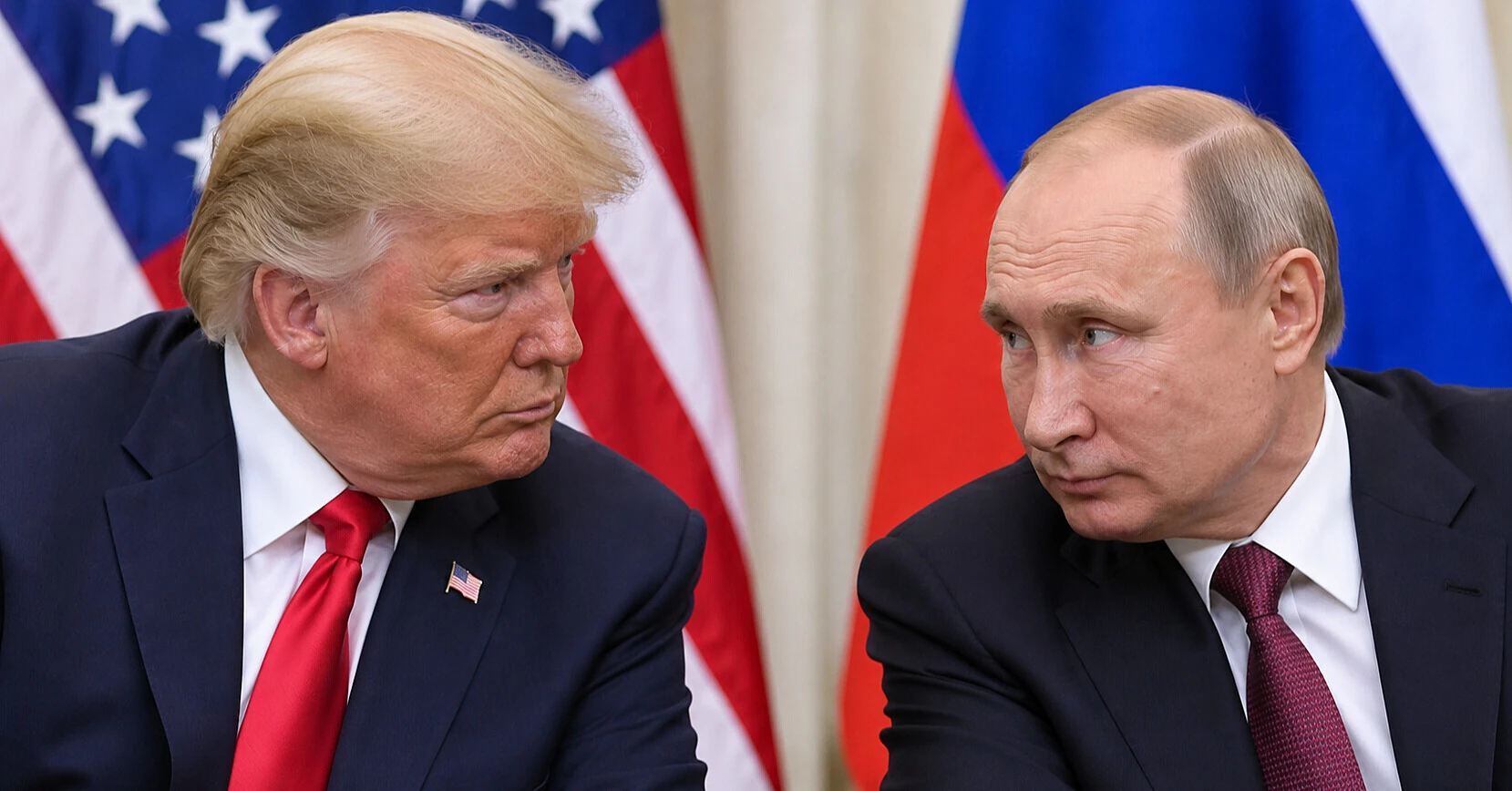
The administration of US President Donald Trump is seeking a peace agreement between Ukraine and Russia before early January 2027. Washington is increasing diplomatic pressure on Kyiv, aiming to complete negotiations before the political balance in the US Congress shifts.
This was reported on November 20 by Financial Times, citing sources familiar with the talks. According to the publication, the US administration has already informed Ukrainian and European officials of its desire to reach a deal in the coming weeks.
The main reason for the rush is tied to political changes in Washington. In January 2027, a new US Congress will take office, with Democrats gaining control and able to more actively push for increased military aid to Ukraine and tougher sanctions against Russia.
The current administration views the remaining time as an opportunity to secure a deal before the balance of power in American politics shifts. However, there is no officially agreed-upon deadline for concluding the negotiations yet.
The main work to accelerate the diplomatic process is being carried out by Trump representatives Steve Witkoff and Jared Kushner. In recent weeks, they have held a series of meetings with Ukrainian, Russian and European officials, trying to bring the parties' positions closer.
As previously reported by The Kyiv Independent, US negotiators have warned Moscow that the current stage of talks may be the last real opportunity to reach a deal before the political situation in the US changes.
According to the publication's sources, Washington representatives are trying to convince the Kremlin that after the new Congress takes office, the terms of negotiations may become less favorable for Russia. The Democratic majority will be able to initiate additional aid packages for Kyiv and increase political pressure on the Trump administration.
However, Ukrainian and European officials fear that Washington's desire to complete the talks in a short timeframe could lead to increased pressure primarily on Ukraine. At the same time, there are still no signs that Moscow is ready to abandon its core demands.
Russia continues to insist on the transfer of uncontrolled territories in Donbas, Ukraine's rejection of NATO membership, and limitations on the size of Ukrainian armed forces. Moscow also seeks a revision of the European security architecture.
One of the central issues in the talks remains future security guarantees for Ukraine. US representatives are discussing the possibility of providing commitments comparable in substance to the principles of Article 5 of the North Atlantic Treaty, which provides for collective defense.
After talks with European leaders in Berlin on November 19, Kushner said that Washington is open to discussing such guarantees. At the same time, the Russian side has not confirmed its readiness to accept a mechanism that would effectively provide Ukraine with protection close to NATO guarantees.
Additional friction is caused by the participation of European states in the peace process. European leaders are demanding a full seat at the negotiating table and insisting on a ceasefire before the final political settlement is agreed upon.
As reported by Axios, during a meeting with European leaders, Trump stated that in his view, Vladimir Putin is interested in ending the war and is ready for a deal.
However, representatives of European states greeted this assessment with skepticism. Despite ongoing negotiations, the Russian army continues strikes on Ukrainian energy infrastructure, and key territorial disagreements remain unresolved.
Thus, the Washington-defined deadline of early January reflects the Trump administration's desire to accelerate the diplomatic process, but does not mean that Ukraine and Russia have already agreed on terms to end the war. Agreements on territories, security guarantees, and a mechanism for halting hostilities are still lacking.