

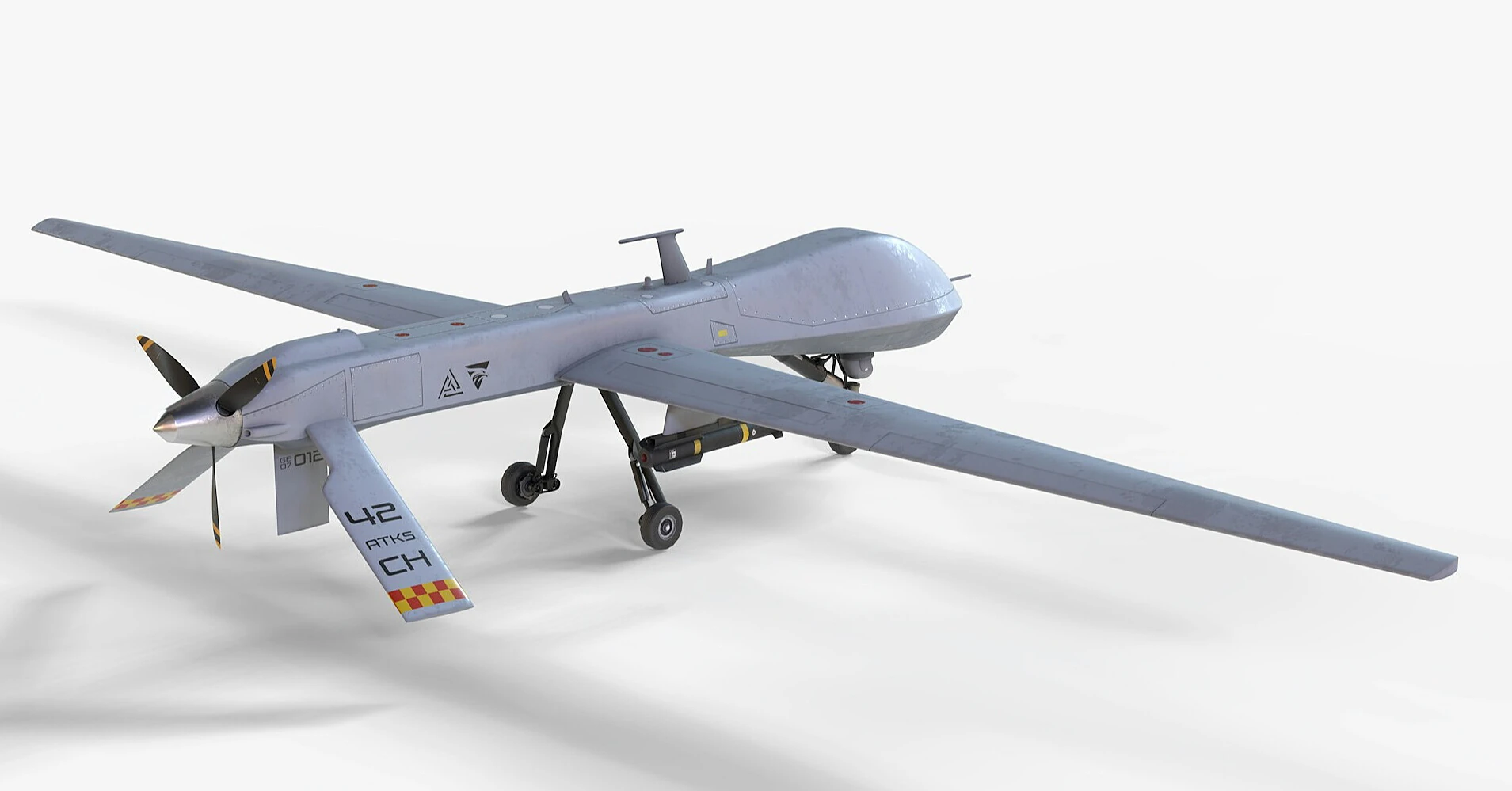
Participants of the conference in Geneva in the early morning of November 21 agreed on a mandate to develop international rules for the use of autonomous weapons. Work on the document is planned for 2027–2028. The question of whether these rules will be legally binding remains open, according to the Swiss Federal Department of Foreign Affairs. Swiss FDFA.
The Seventh Review Conference of the Convention on Certain Conventional Weapons was scheduled for November 16–20. Negotiations on the mandate continued into the night of November 21. Most countries supported a legally binding document, and conference decisions required consensus. The International Committee of the Red Cross (ICRC) expressed regret that participants did not agree on a clear mandate to immediately begin negotiations on a binding treaty. UN Geneva, Swiss FDFA, ICRC statement.
According to the ICRC definition, once activated, autonomous weapons can independently select a specific target and apply force against it. In direct remote control mode, the operator selects the target. One of the main questions of the negotiations is what control a human should retain if the system itself selects the target and applies force. ICRC explanation, UN Geneva.
Autonomous weapons are already subject to international humanitarian law. Parties to a conflict must distinguish between civilians and combatants, and between civilian objects and military objectives, and take precautions to protect civilians. As the UN explains, states are accountable for violations attributed to them under international law. Individual responsibility depends on the person's role and the circumstances of the violation. UN explanation.
The ICRC calls for a ban on autonomous systems whose effects cannot be predicted and systems that target humans directly. For the rest, the committee proposes restrictions on development and use. Which of these proposals will be included in the document remains to be determined during negotiations. ICRC position.