

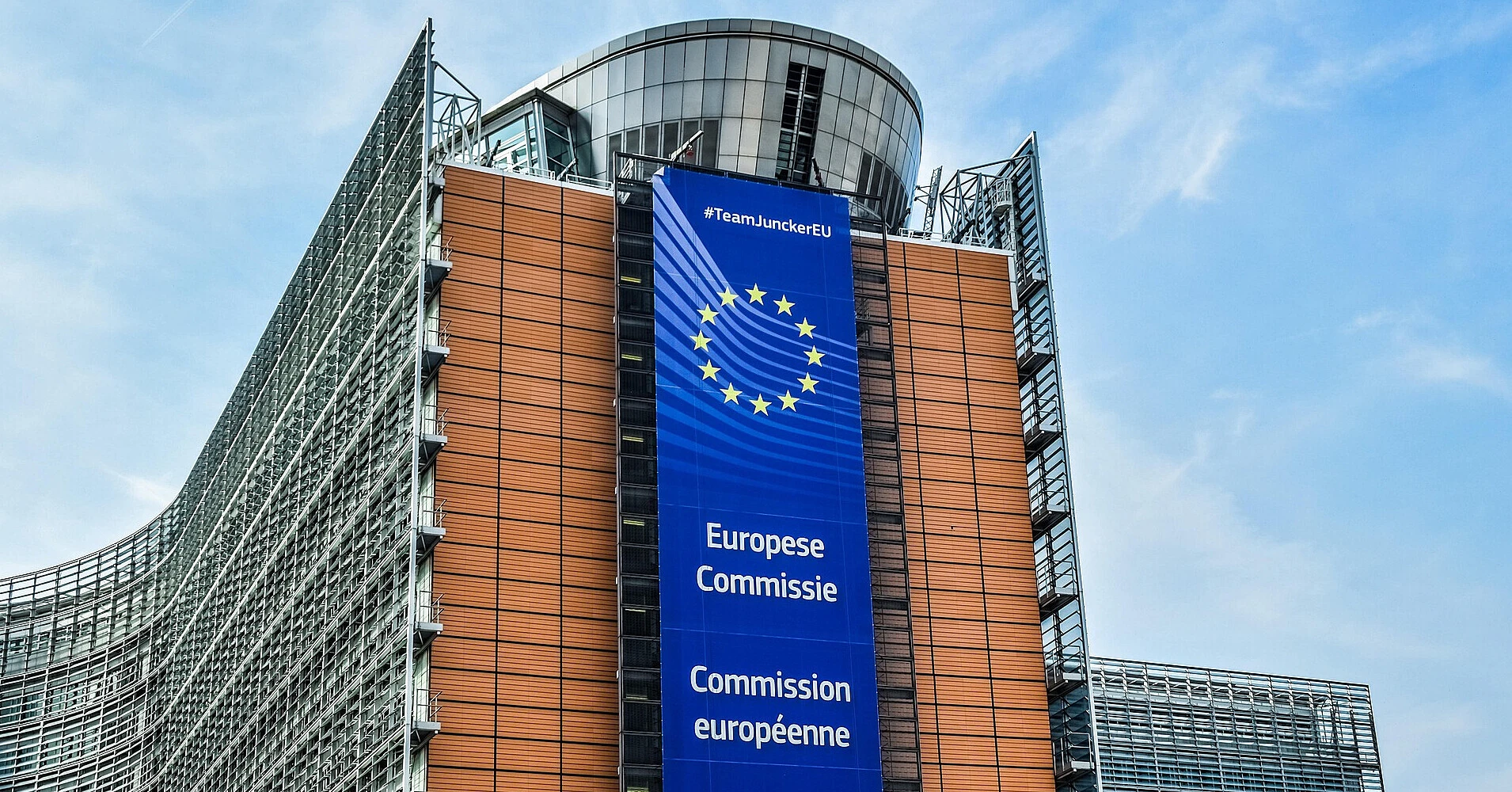
On 23 November, the European Commission presented its 22nd sanctions package against Russia. The new restrictions target the banking sector, cryptocurrency platforms, energy infrastructure, and Russia's "shadow fleet." It is also proposed to tighten visa rules and restrict the participation of Russian representatives in European sports and cultural events.
The new measures were announced by European Commission President Ursula von der Leyen, reports Anadolu Agency.
According to the head of the European Commission, Brussels intends to maintain sanctions pressure until Russia demonstrates a genuine commitment to establishing a sustainable peace in Ukraine.
The proposed package includes strengthening restrictions in three areas: reducing sources of financing for Russia's war, further international isolation of the Russian Federation, and countering the circumvention of existing sanctions.
Banks and cryptocurrency platforms
One of the main elements of the new package will be additional financial restrictions. The European Commission proposes to extend the ban on transactions to about 60 Russian banks. All these financial institutions are also planned to be disconnected from the SWIFT international financial messaging system.
Separate measures are aimed at cryptocurrency and payment networks that could be used to circumvent European restrictions. It is proposed to extend sanctions not only to Russian organizations, but also to structures in third countries that facilitate the circumvention of prohibitions.
To coordinate this work, the European Commission announced the creation of a special working group on cryptocurrency sanctions. It should help identify and block financial channels used to circumvent restrictions.
Energy and Russia's "shadow fleet"
In the energy sector, the European Union proposes to expand the ban on providing services to Russian companies. European enterprises are intended to be banned from assisting in the construction, operation, and repair of Russia's energy infrastructure, including oil refineries.
For the first time, similar restrictions are proposed to be extended to services related to electricity.
Additionally, the European Commission intends to add more than 70 additional vessels of Russia's "shadow fleet," which is used to transport oil in circumvention of Western restrictions, to the sanctions lists.
It is also proposed to ban the use of tankers insured in Russia. These measures should further limit Moscow's ability to export energy resources and obtain oil revenues.
Visa restrictions and bans for Russian athletes
The new package includes tightening the visa regime for former Russian servicemen who participated in the war against Ukraine.
According to von der Leyen, such restrictions are related to threats to European security and increased cases of alleged subversive activities by Russian agents in EU countries.
A separate block of sanctions concerns sports and culture. The European Commission proposes to ban Russian teams and athletes under the national flag from participating in competitions on the territory of the European Union, as well as the use of official Russian symbols at such events.
It is planned to restrict funding for European sports and cultural organizations by Russian sponsors. Additionally, it is proposed to ban Russian citizens from holding leadership positions in European sports federations.
Another measure concerns corporate governance: EU citizens are intended to be banned from holding positions in the governing bodies of companies operating in Russia.
When the new sanctions will come into force
The package presented on 23 November is still a proposal by the European Commission, not a final adopted decision. Its approval requires the unanimous agreement of all 27 member states of the European Union.
After agreement by the Council of the EU, the relevant legal acts must be officially published. The specific dates for the start of individual restrictions will be determined by the approved documents.
The previous, 21st sanctions package against Russia was adopted by the European Union on 23 July 2026. It also included restrictions against Russian financial institutions, the energy sector, and "shadow fleet" vessels.
The new package is expected to complement the existing measures and strengthen control over mechanisms of circumvention through third countries.