

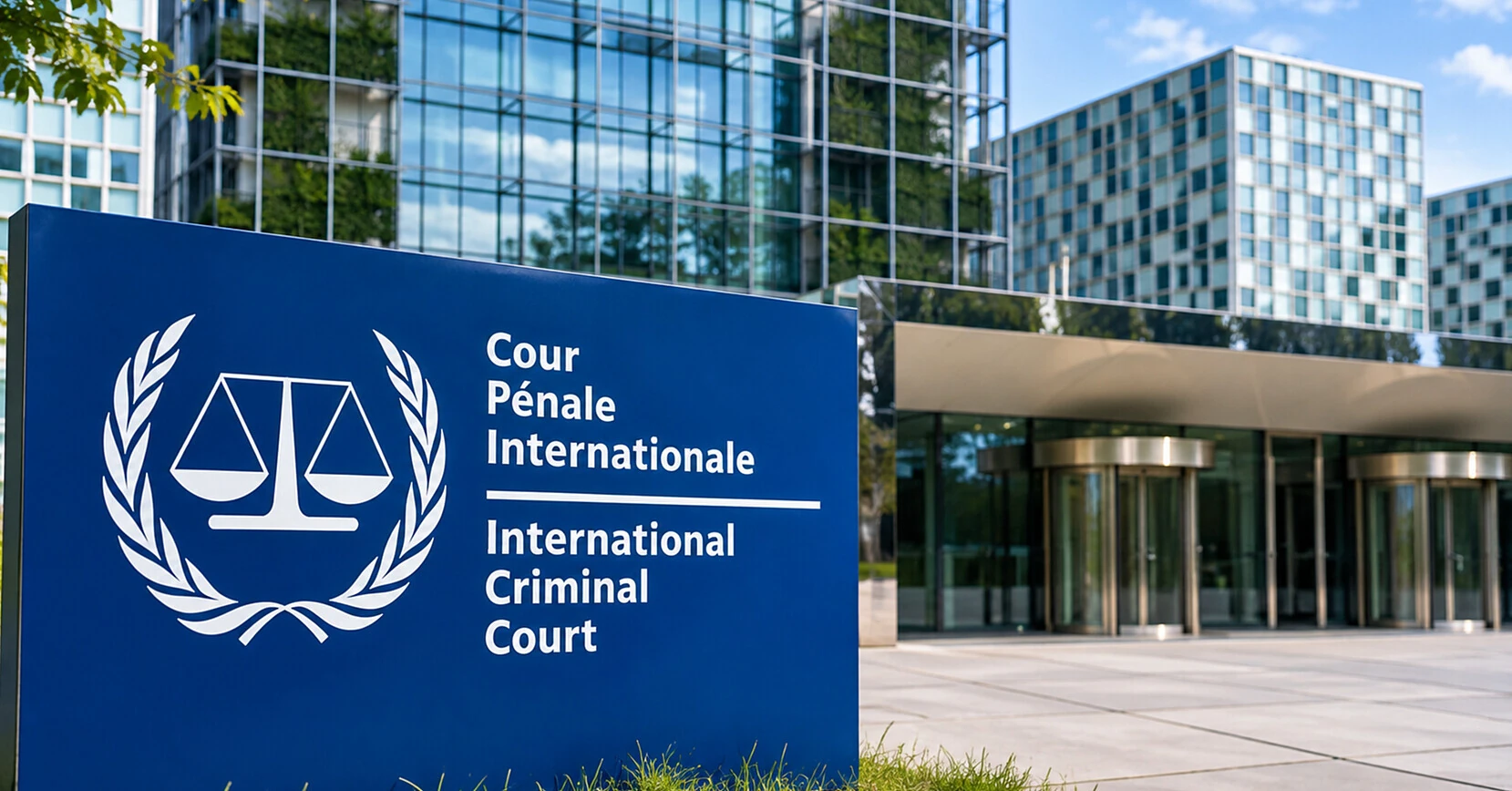
Tajikistan has officially notified the United Nations of its decision to withdraw from the International Criminal Court (ICC), which previously found Dushanbe in violation of its obligations to arrest Russian President Vladimir Putin. The withdrawal procedure will take one year, after which the country will cease to be a party to the Rome Statute.
Le Monde reported this on November 23, citing official UN documents and a statement from the International Criminal Court.
According to a notification from the UN Secretary-General, Tajikistan filed its withdrawal from the Rome Statute on November 20, 2026. In accordance with Article 127 of the treaty, the decision will come into force on November 20, 2027.
Until then, Dushanbe will remain a state party to the International Criminal Court and will be obliged to fulfil the international obligations set out in the treaty.
Tajikistan signed the Rome Statute in November 1998 and ratified it in May 2000. It became the only Central Asian state to join the International Criminal Court.
The decision to withdraw followed a conflict between Tajik authorities and the ICC over Dushanbe's refusal to detain Russian President Vladimir Putin.
In March 2023, the International Criminal Court issued an arrest warrant for Putin on suspicion of a war crime involving the unlawful deportation and transfer of Ukrainian children from occupied territories of Ukraine.
In October 2025, Putin visited Tajikistan, but the country's authorities did not comply with the court's demand to detain him.
On March 19, 2026, the ICC Pre-Trial Chamber found that Tajikistan had violated its obligations under the Rome Statute. Later, on May 7, the court referred the matter to the Assembly of States Parties to the treaty.
It is noteworthy that the official notification of withdrawal from the ICC was sent on November 20—the same day Vladimir Putin concluded another visit to Tajikistan. The Russian president was in the country on November 19–20 and held talks with President Emomali Rahmon.
However, the published UN notification does not specify the reasons for Tajikistan's withdrawal from the International Criminal Court.
The leadership of the Assembly of States Parties to the Rome Statute expressed concern over Dushanbe's decision. In a statement dated November 23, ICC representatives warned that states' withdrawal from the treaty could weaken international efforts to hold perpetrators of serious crimes accountable.
The Assembly called on Tajikistan to reconsider its decision and continue cooperation with the court. It also stressed that withdrawing from the Rome Statute does not release a state from obligations that arose during its participation in the treaty.
The European Union issued a similar statement. Brussels expressed regret over Dushanbe's decision and called on the authorities to abandon its withdrawal from the International Criminal Court.
The EU reminded that terminating participation in the Rome Statute does not cancel obligations to cooperate with the court in investigations and proceedings initiated before the withdrawal takes effect.
Tajikistan became the seventh country to send a notification of withdrawal from the ICC in 2026. Previously, similar decisions were made by Niger, Burkina Faso, Mali, Venezuela, Chad and Nauru.
To date, 125 states remain parties to the Rome Statute, including countries that have already begun the withdrawal process but have not yet completed it.