

Estonia may close the railway border crossing with Russia in Narva as a further measure of pressure on Moscow. In addition, the already adopted decision to close road checkpoints is effectively indefinite.
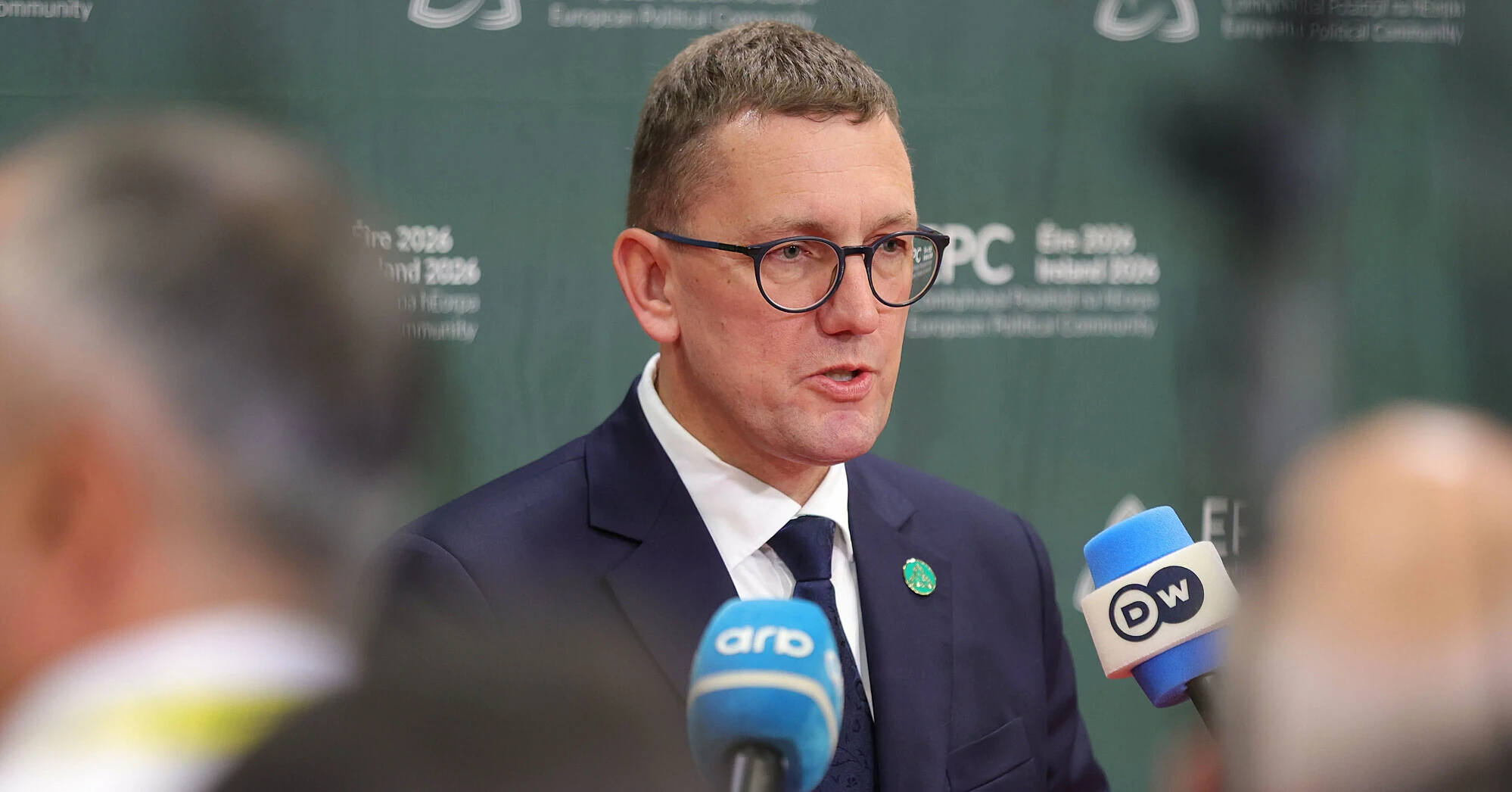
This was stated by Estonian Prime Minister Kristen Michal on Vikerraadio, reports Estonian public broadcaster ERR.
According to the head of government, authorities have not yet made a decision on closing the railway crossing in Narva, but they retain this possibility in case further tightening of restrictions becomes necessary.
Michal noted that retaliatory measures do not necessarily have to be symmetrical. Among other instruments of pressure on Russia, he mentioned freezing Russian assets, strengthening control over the shadow fleet, and imposing visa restrictions for Russians who participated in the war against Ukraine.
The Prime Minister also explained that the closure of the road border with Russia, despite the formally temporary nature of the decision, is actually indefinite. In six months, the government will reassess the security situation.
Michal does not expect the threat from Russia to decrease during that period, so in his opinion the restrictions will remain unless the government decides otherwise.
The head of government acknowledged that the border closure will affect the economy of border areas, which will require additional state support.
As a reminder, on November 20 the Estonian government decided to close all road border crossings with Russia from December 1, 2026. The restrictions apply to both vehicles and pedestrians.
The reason for this decision, according to Estonian authorities, is the continuation of Russia's hostile activities, including sabotage against defense industry enterprises. Rail freight traffic will continue for now under existing restrictions and enhanced customs controls.