

NATO countries are not yet ready to support an initiative to destroy Russian missiles and drones over Ukrainian territory that are heading toward Alliance airspace.
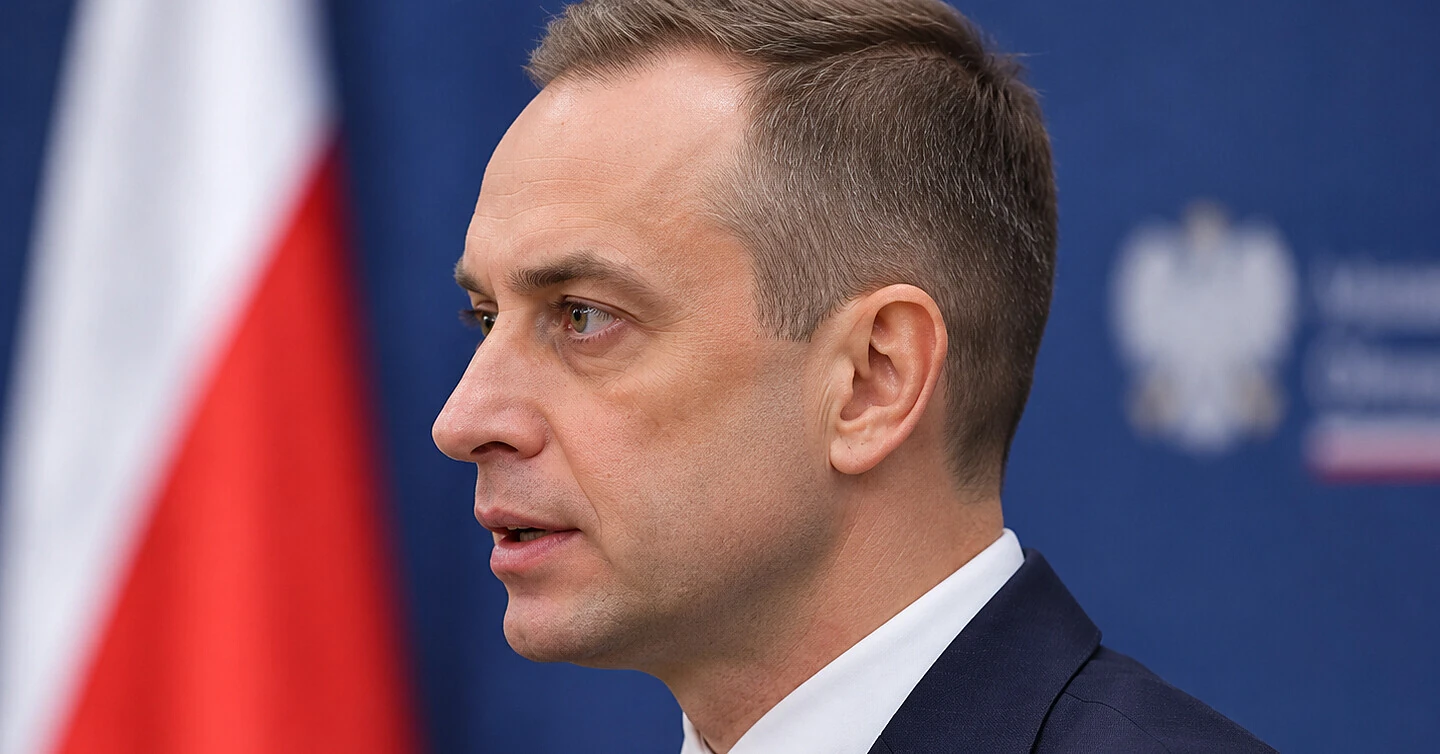
Polish Deputy Minister of National Defense Cezary Tomczyk made this statement on November 25, reports RMF24.
The Polish official commented on Bloomberg's report that Warsaw had proposed that allies consider intercepting Russian missiles before they cross the borders of NATO states.
Tomczyk said he could not confirm that information. At the same time, he recalled that the issue of destroying Russian aerial targets over Ukraine had been discussed several months ago.
"NATO in no way supports such an initiative. This decision creates numerous difficulties," – said the Polish Deputy Defense Minister.
According to him, previous discussions ended with the conclusion that such a procedure could not be applied.
Earlier on Wednesday, Deputy Prime Minister and Minister of National Defense of Poland Władysław Kosiniak-Kamysz said in an interview with RMF FM that the discussion on the possibility of intercepting Russian missiles and drones over Ukraine is ongoing. However, the head of the Polish defense ministry does not yet see sufficient readiness among allies for such actions.
According to Bloomberg, Warsaw raised the issue on November 23 at a meeting of the North Atlantic Council in Brussels. Some states supported the Polish proposal, but the discussion was preliminary and no concrete decision was made.
Implementing the initiative would require unanimous approval from all NATO states, as well as coordination of relevant actions with Ukraine.
The recent violations of Polish airspace during Russian attacks on Ukraine prompted the resumption of the discussion.
Recall that following the North Atlantic Council meeting on November 23, NATO decided to strengthen Poland's air defense by providing the country with an AWACS airborne early warning and control aircraft.
In addition, Tomczyk spoke about the possibility of introducing a no-fly zone over eastern Poland. Polish authorities expect to put the relevant order into effect in late December or early January.