

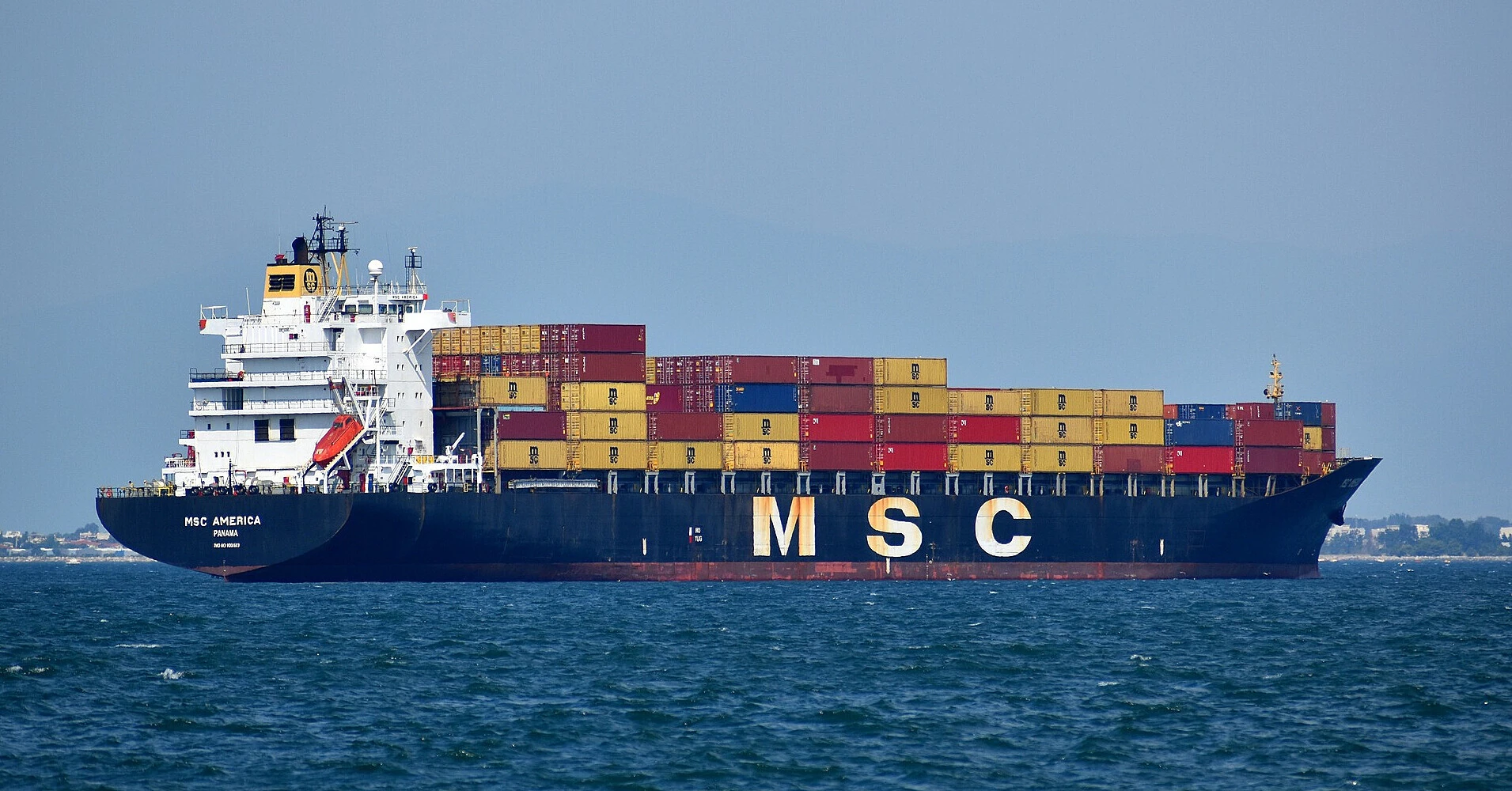
Global maritime trade volumes in 2026 will remain at the previous year's level due to disruptions in key shipping routes, geopolitical conflicts and uncertainty in international trade.
This is stated in the annual Review of Maritime Transport 2026 report by the United Nations Conference on Trade and Development (UNCTAD), published on November 26.
In 2025, global maritime cargo transport volumes increased by 1.9%, reaching 12.3 billion tonnes, after a growth of 3.9% in 2024. In 2026, analysts expect zero dynamics, and in 2027 a resumption of growth by 3.2%.
At the same time, container transport volumes in 2026, according to UNCTAD forecasts, will increase by 3.3%. Global maritime cargo turnover, measured in tonne-miles, will grow by 1.5% due to the increase in freight transport distances.
One of the main factors of the deteriorating situation was the conflict in the Middle East, which significantly limited shipping through the Strait of Hormuz. In addition, instability in the Red Sea forces many carriers to use a longer route around Africa. Security risks also persist for grain shipments through the Black Sea.
Disruption of logistics routes led to an increase in fuel costs, longer delivery times and rising freight rates. In particular, spot container freight rates from January to August 2026 more than doubled, and average oil tanker freight rates in March-June were 71% higher than in January-February.
According to UNCTAD calculations, if the cost of ship fuel remains 70-80% above pre-crisis levels, this could lead to an additional increase in global consumer prices of 0.19%, and in least developed countries by 0.35%.
More than 80% of world trade goods are transported by sea. UNCTAD calls on governments and transport companies to diversify logistics routes, modernize port infrastructure and renew the merchant fleet.