

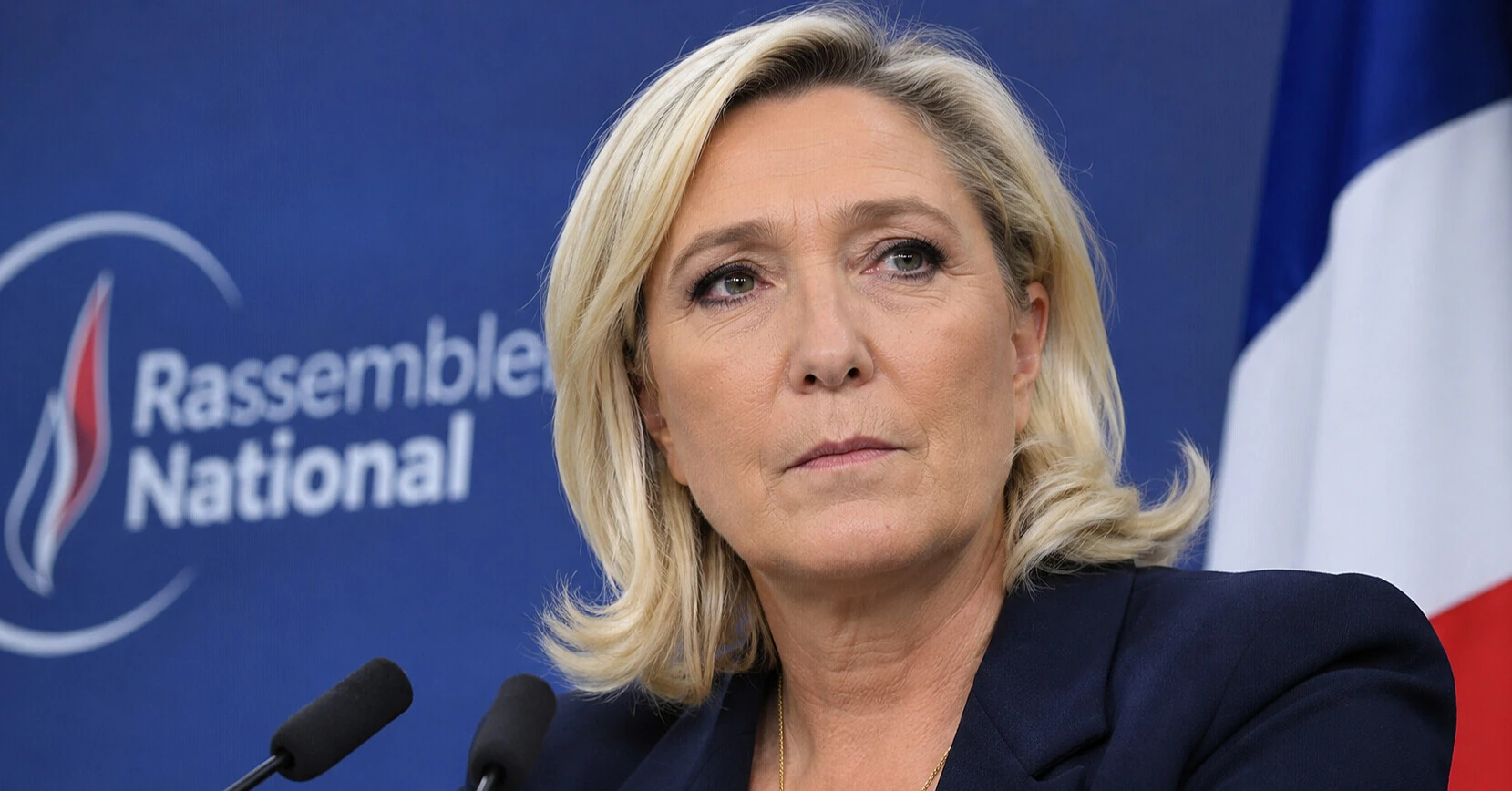
France and Germany are pushing for changes to the draft long-term budget of the European Union for 2028–2034 to reduce the risk of revising financial arrangements if the leader of the National Rally party, Marine Le Pen, comes to power in France.
This is reported by Financial Times, citing European officials familiar with the budget negotiations.
Le Pen has previously stated her intention, if she wins the presidential election, to halve France's net contribution to the European Union budget and stop funding Ukraine. According to sources cited by the publication, she also does not rule out refusing to ratify the agreement on the new seven-year EU budget.
France demands additional 35 billion euros for farmers
The French government has requested an additional 35 billion euros in agricultural subsidies. Paris proposes to allocate these funds separately from funding for regional development, migration policy, and social programs.
As a representative of the Elysée Palace explained, the French authorities seek to maintain the current level of payments received by the country's agricultural producers.
According to Financial Times, the increase in agricultural funding is also intended to make it harder for future French leadership to walk away from the budget agreement, as such a move could jeopardize the interests of French farmers.
However, some EU member states suspect Paris of trying to use the prospect of Le Pen coming to power to extract additional budget concessions.
Germany wants to prevent blocking of aid to Ukraine
Berlin proposes to enshrine long-term funding for Ukraine directly in EU budget legislation and to allow approval of additional assistance by a majority of member states, rather than by unanimous decision of all 27 countries.
German Chancellor Friedrich Merz has linked approval of the new budget to resolving the issue of continued funding for Ukraine. Germany, which accounts for about a quarter of European Union spending financing, is ready to block the budget agreement if member states do not agree on support for Kyiv.
Hungary, Slovakia, the Czech Republic, and Bulgaria have already opposed further funding for Ukraine. At the same time, all four states receive more money from the EU budget than they contribute.
The initial European Commission draft provides for the allocation of 100 billion euros to Ukraine over seven years. An additional subject of negotiations has been the debt servicing costs of the European Union related to assistance to Kyiv. This concerns interest payments of over 50 billion euros, which European officials propose to cover outside the specified funding amount.
European Union expects to agree budget by end of year
The negotiations are taking place against the backdrop of serious disagreements over the total volume of EU spending. As reported by Euronews, the compromise draft of European Council President António Costa proposes a reduction of the initially proposed budget by 204 billion euros.
A group of countries led by the largest European donors advocates reallocating funds from traditional programs supporting agriculture and regional development to defense, technology, and climate projects. Countries from Southern and Eastern Europe, on the contrary, seek to maintain funding for traditional programs.
France also advocates expanding the EU's own sources of revenue, including through taxation of digital services, in order to maintain budget spending without increasing national contributions.
According to the agenda of the extraordinary EU summit in Brussels on November 26–27, in addition to the seven-year budget, European leaders are considering a European Commission proposal to provide Ukraine with additional funding of up to 45 billion euros for 2027.
European officials expect to reach a budget agreement by the end of December. However, subsequent legislative procedures and national ratification may drag on until the presidential elections in France, scheduled for April 2027. Le Pen's ability to block the agreement will depend, among other things, on the balance of power in the French parliament.