

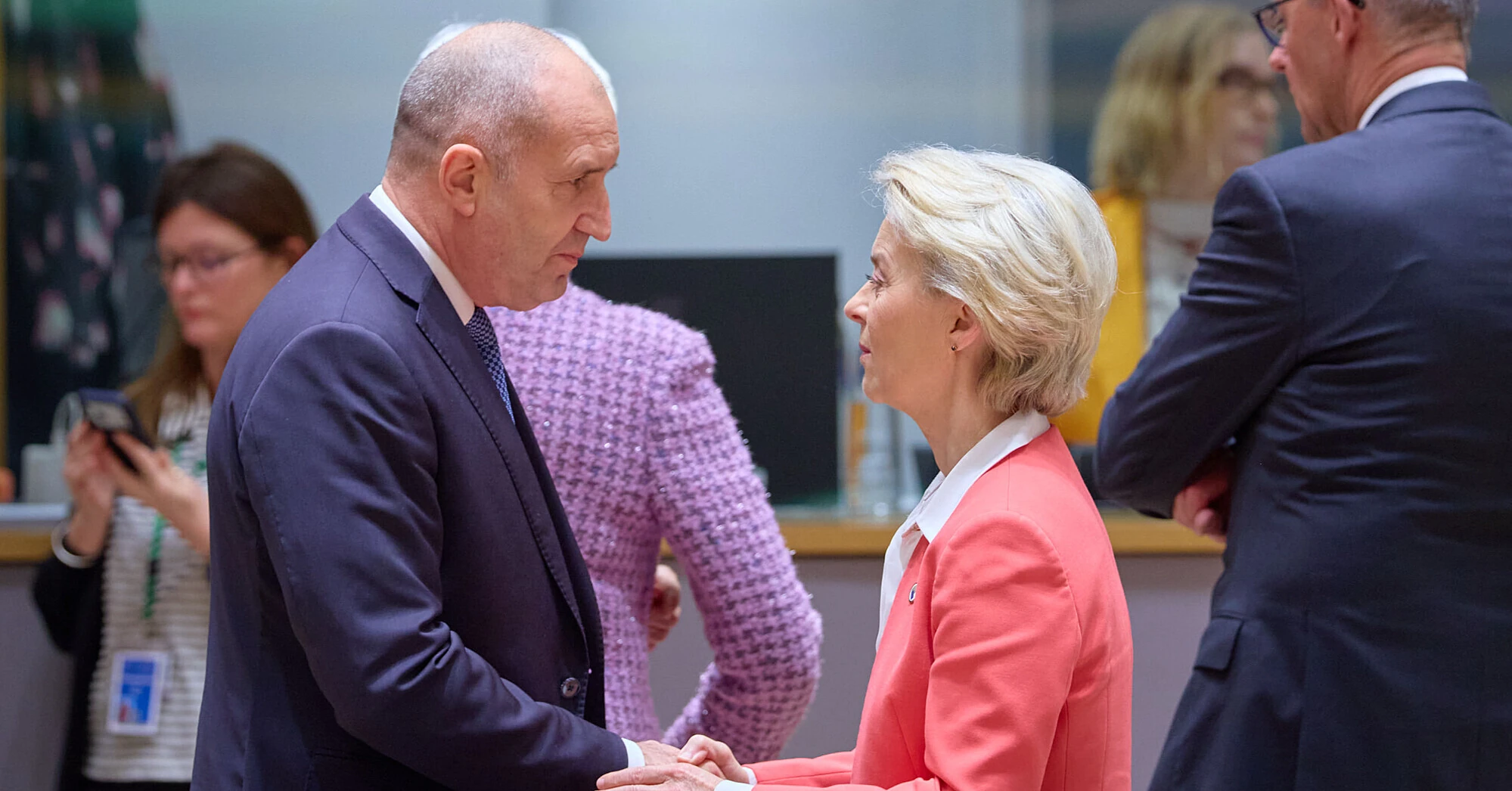
The leaders of the European Union did not reach an agreement on the multiannual budget for 2028-2034 during a special summit in Brussels. Differences remain among member states regarding the overall amount of spending, the allocation of funds, and new sources of budget revenue.
This was announced by the President of the European Council, António Costa, during a joint press conference with the President of the European Commission, Ursula von der Leyen.
According to Costa, some states insist on further reducing the overall size of the budget, but the majority of countries oppose this. Some negotiation participants even proposed to reconsider previously planned spending cuts.
In particular, the vast majority of member states support maintaining funding for agriculture and regional development programs.
The compromise budget proposal presented by Costa on November 21 provides for spending of 1,582 trillion euros in constant prices. This is 10.2% less than the initial proposal of the European Commission.
Digital tax received broad support
At the same time, von der Leyen informed about progress in negotiations on new sources of budget financing. In particular, a proposal to introduce a Europe-wide tax on digital services received broad support.
Costa's initiative provides for an annual levy of 3% on net turnover from online advertising, digital intermediary services, and the use of user data.
The levy is proposed to be applied to companies with a global annual turnover of more than 750 million euros and turnover from digital activity in the EU of at least 50 million euros.
Among other proposed sources of revenue are revenues from emissions trading, the carbon border adjustment mechanism, levies on tobacco products and unprocessed electronic waste.
New sources of income are also necessary for repaying debt and paying interest on borrowings raised to finance the post-pandemic European economic recovery program NextGenerationEU.
Negotiations to continue in December
Costa stressed that he expects to achieve a political agreement by the end of 2026. This should make it possible to complete the necessary legislative procedures during 2027 and ensure continuous funding for European programs from January 1, 2028.
Approval of the multiannual budget requires unanimous consent of all 27 EU member states, as well as approval by the European Parliament.
Agreeing on the new budget is also important for Ukraine. The initial proposal of the European Commission provides for the possibility of attracting up to 100 billion euros to support Ukraine during 2028-2034.
Based on materials from: press conference of António Costa and Ursula von der Leyen, European Council, European Commission