

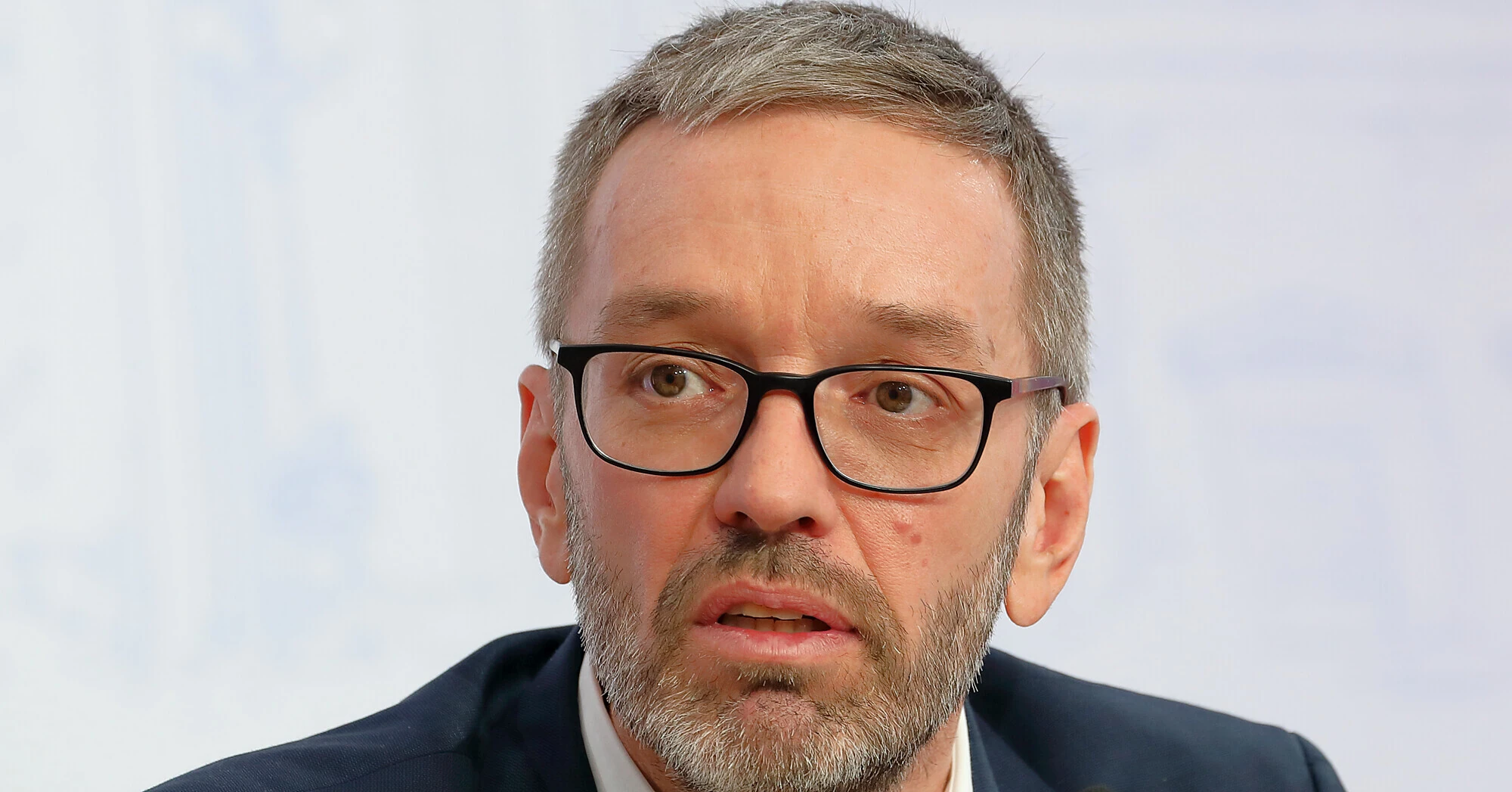
Herbert Kickl, leader of the opposition Freedom Party of Austria (FPÖ), has proposed deporting Syrian and Afghan citizens to Ukraine after the war ends, as European countries cannot return them to their homelands. In his opinion, the European Union should demand that Kyiv accept these people in exchange for previously provided financial assistance.
The politician stated this in an interview with the Austrian outlet Heute, published on November 27.
Kickl proposed discussing the relevant initiative at the pan-European level. Arguing his position, he said that the EU has directed hundreds of billions of euros to support Ukraine, including 3.6 billion euros of Austrian funds.
According to the politician, after peace is established, European countries could demand that Ukraine accept migrants who cannot be deported to their countries of origin.
"Ukraine owes us something", Kickl stated.
He also believes that due to Ukraine's geographical proximity, transporting migrants by rail or bus would be cheaper than sending them to Rwanda. Additionally, Kickl suggested that these people could join Ukraine's post-war reconstruction.
According to the politician, deported migrants will be able to leave Ukraine voluntarily, but should not have the opportunity to return to Austria.
Later, the press service of the FPÖ parliamentary faction published Kickl's proposal.
Reaction of Austrian political forces
As reported by Der Standard, Kickl's initiative was criticized by representatives of the Austrian People's Party (ÖVP), the Social Democratic Party of Austria (SPÖ), and the liberal party NEOS.
NEOS parliamentary faction leader Yannick Shetty emphasized that deporting people to a country at war is legally impossible. According to him, the Austrian government is working on concluding agreements on returning migrants to their countries of origin and creating deportation centers in safe third countries.
For now, Kickl's proposal is a political initiative of the opposition party, not a decision of the Austrian government or the European Union. The politician did not present a specific mechanism for its implementation.
Based on materials from: Heute, FPÖ, Der Standard