

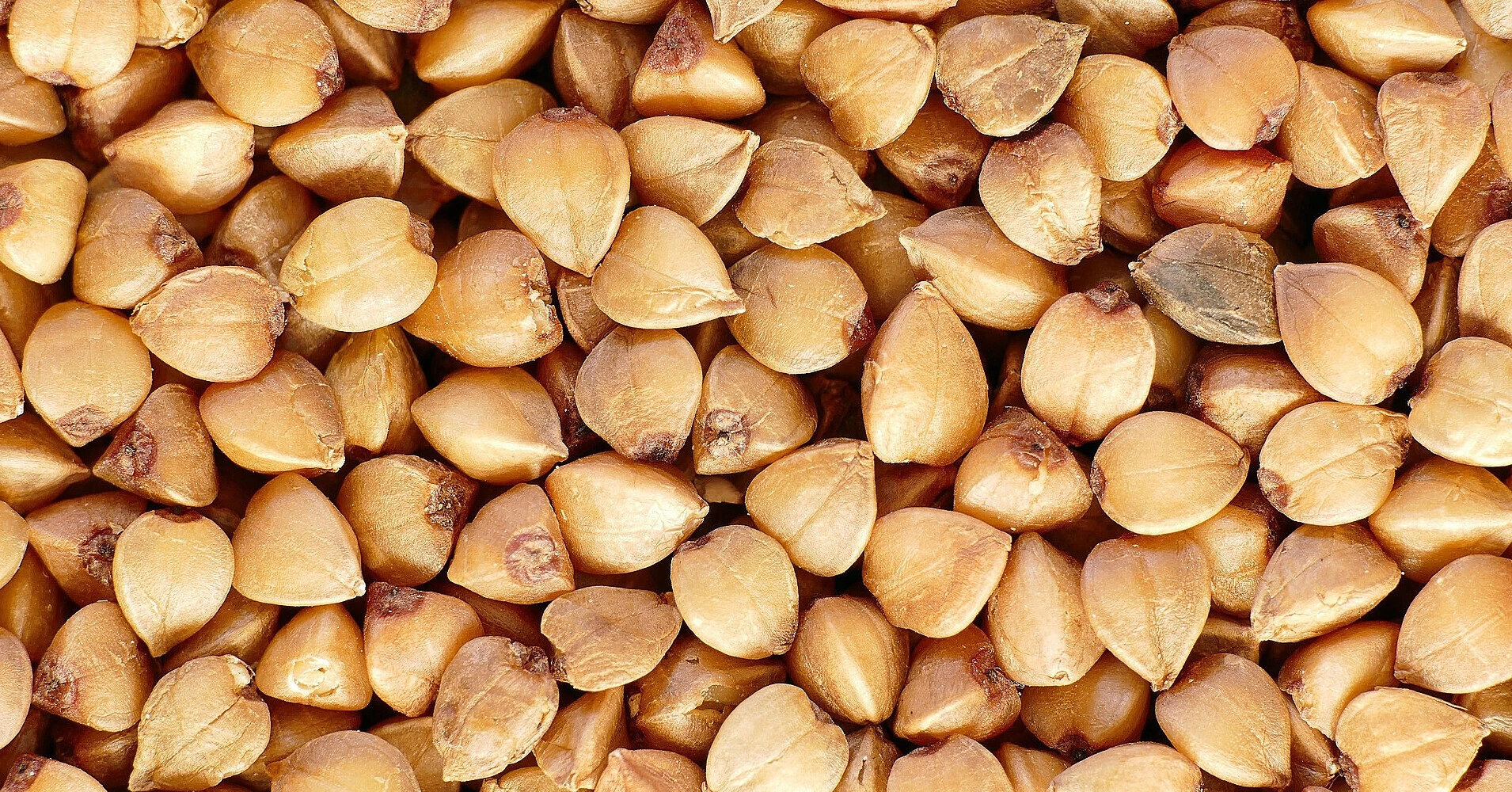
The Russian government has imposed a six-month ban on buckwheat exports, aiming to ensure sufficient supply of raw material for the production of one of the country's most popular grains amid accelerating inflation, reduced harvest, and rising retail prices.
The corresponding decree of the Russian government No. 1584 of November 26 was made public on Friday, November 27.
The restrictions do not apply to supplies to the countries of the Eurasian Economic Union (EAEU), humanitarian aid, and exports within the framework of intergovernmental agreements. An exception is also provided for supplies to the Russian-occupied territories of Georgia – to Abkhazia and South Ossetia.
The last time Russia restricted buckwheat exports was in 2021, but then the ban lasted less than three months.
Harvest and stocks of buckwheat are shrinking
According to Rosstat, in 2025 the buckwheat harvest in Russia decreased to 926 thousand tons compared to 1.2 million tons a year earlier. In 2026, the sown areas under this crop continued to decrease.
The analytical company "ProZerno" expects that by the end of 2026 the buckwheat harvest will be less than 800 thousand tons.
By the beginning of October, buckwheat stocks at Russian procurement and processing enterprises decreased to 130 thousand tons, which is 29.4% less than a year earlier.
At the same time, there is a significant rise in the price of finished products. As of November 23, the average retail price of buckwheat groats in Russia reached 94.5 rubles per kilogram, having increased by 19.2% over the year.
China remains the largest buyer of Russian buckwheat
Over ten months of 2026, Russia exported buckwheat worth about 65 million dollars. Of these, 56 million dollars accounted for supplies to China, which purchased about 157 thousand tons of this agricultural crop.
Other buyers of Russian buckwheat include Kazakhstan, Japan, and Turkey.
According to estimates by participants in the Russian agricultural market, the harvested crop this year may be sufficient only to meet domestic demand. Continued exports in the same volumes create a risk of raw material shortage.
Simultaneously with the introduction of the ban on buckwheat exports, the Russian government made the opposite decision regarding legumes. Export duties on peas, chickpeas, and lentils have been reduced from 5% to zero. This measure will be in effect until March 31, 2027, and is aimed at increasing the competitiveness of Russian products amid falling export prices.
Based on materials from: Bloomberg, Kommersant, Business FM.