

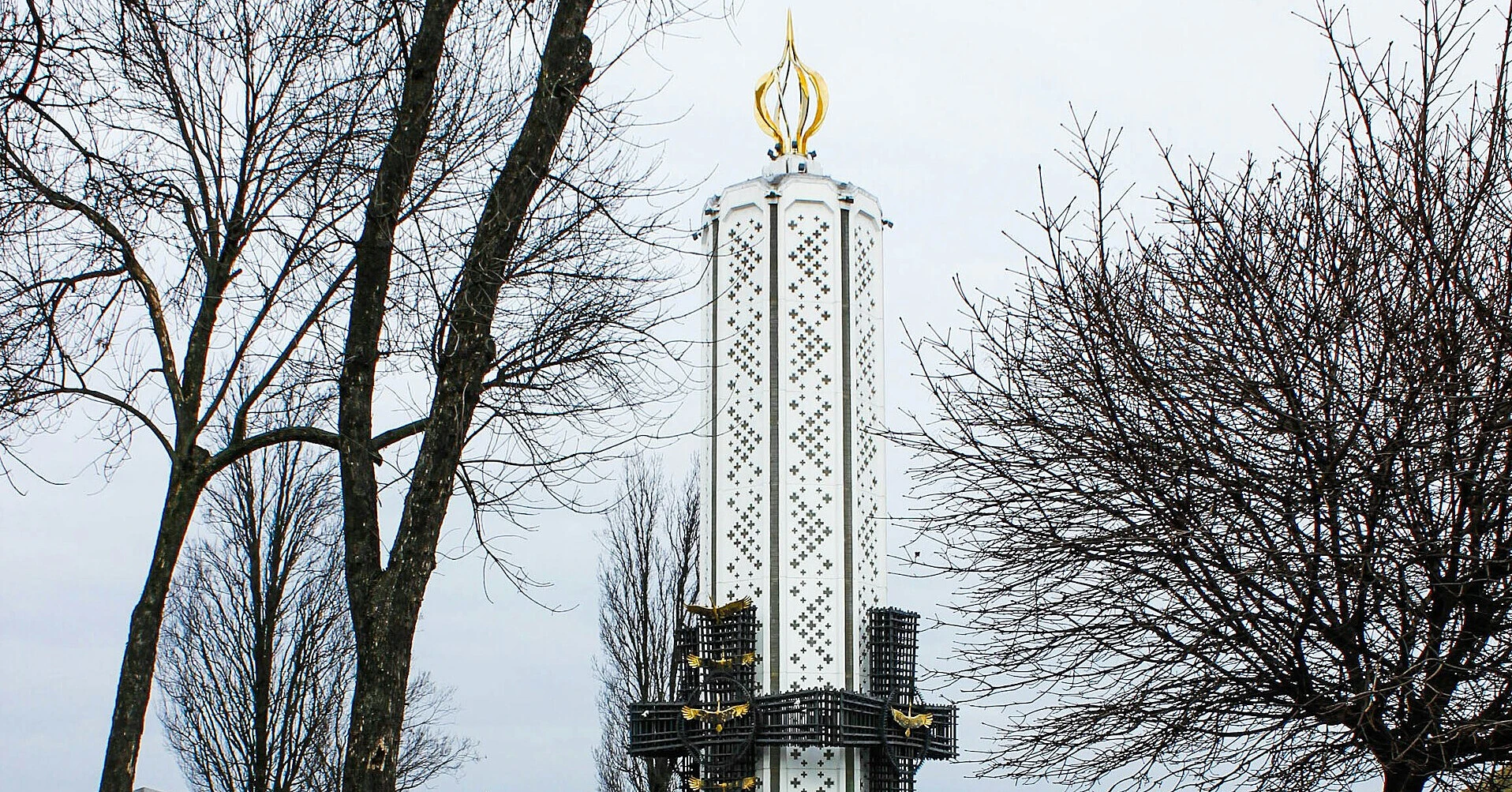
On the 93rd anniversary of the Holodomor, Canadian Prime Minister Mark Carney stated that Vladimir Putin's regime continues Stalin's brutal legacy. Five days before the anniversary, Latvia called on the UN Security Council to stop attacks on civilian vessels in the Black Sea, saying strikes on Ukraine's export routes are delaying food supplies and driving up prices.
In a statement dated November 28, Carney called the Holodomor of 1932–1933 a genocide organized by the Stalinist regime to subjugate the Ukrainian people and destroy their culture and identity. Speaking about the current war, the Prime Minister pointed to Russian strikes on Ukraine's schools, hospitals, agriculture, and energy infrastructure, as well as the forcible transfer of Ukrainian children.
Carney confirmed that Canada continues to work with Ukraine and allies toward a peace that will ensure the country's sovereignty and long-term security. He also noted that generations of Ukrainians, including those in Canada, have kept the memory of the Holodomor alive, despite attempts by the Soviet authorities to conceal the crime.
Latvian President Edgars Rinkēvičs stated at the UN Security Council on November 23 that in 2026 Russia intensified attacks on civilian vessels, Ukrainian ports, and logistical infrastructure. Through the Black Sea, Ukraine annually supplies millions of tons of food, including to countries in Africa, Asia, and the Middle East. According to Rinkēvičs, delivery delays and price increases hit the poorest families hardest. UK representative Neil Holland noted at an OSCE meeting on November 26 that strikes on farmland, ports, and food infrastructure disrupt supplies both within Ukraine and beyond its borders.
Estonian Foreign Minister Margus Tsahkna, on the anniversary, drew attention to Ukrainian families who, due to the war, must find ways to heat their homes and feed their loved ones. Hungary's Foreign Ministry paid tribute to the victims of the famine deliberately caused by the Stalinist regime. In response, Kyiv thanked Budapest for its solidarity and highlighted Hungary's role in transiting Ukrainian goods to world markets.
In Kyiv on November 28, the memory of the Holodomor victims was honored by President Volodymyr Zelenskyy, First Lady Olena Zelenska, and Council of Europe Secretary General Alain Berset. Berset said the Holodomor is a reminder of the consequences of impunity. At his meeting with Zelenskyy, they discussed the creation of an international compensation mechanism and sources of funding for a future fund. The same day, Zelenskyy signed a law on Ukraine's accession to the agreement on the steering committee of a special tribunal for the crime of aggression against Ukraine.
Ukraine's Foreign Ministry demanded Russia open its archives on the organization of the Holodomor and called on other countries to recognize it as genocide. According to the ministry's data as of November 28, 28 states have recognized the Holodomor as a genocide of the Ukrainian people, as well as the European Parliament, the Parliamentary Assembly of the Council of Europe, and the Baltic Assembly.
Based on materials from the Government of Canada, Latvia's Mission to the UN, UK Foreign Office, "European Pravda" on Baltic states' statements and Hungary, the Council of Europe, the Office of the President of Ukraine, the Verkhovna Rada, and Ukraine's Foreign Ministry.