
US and Iran make opposite statements on Strait of Hormuz
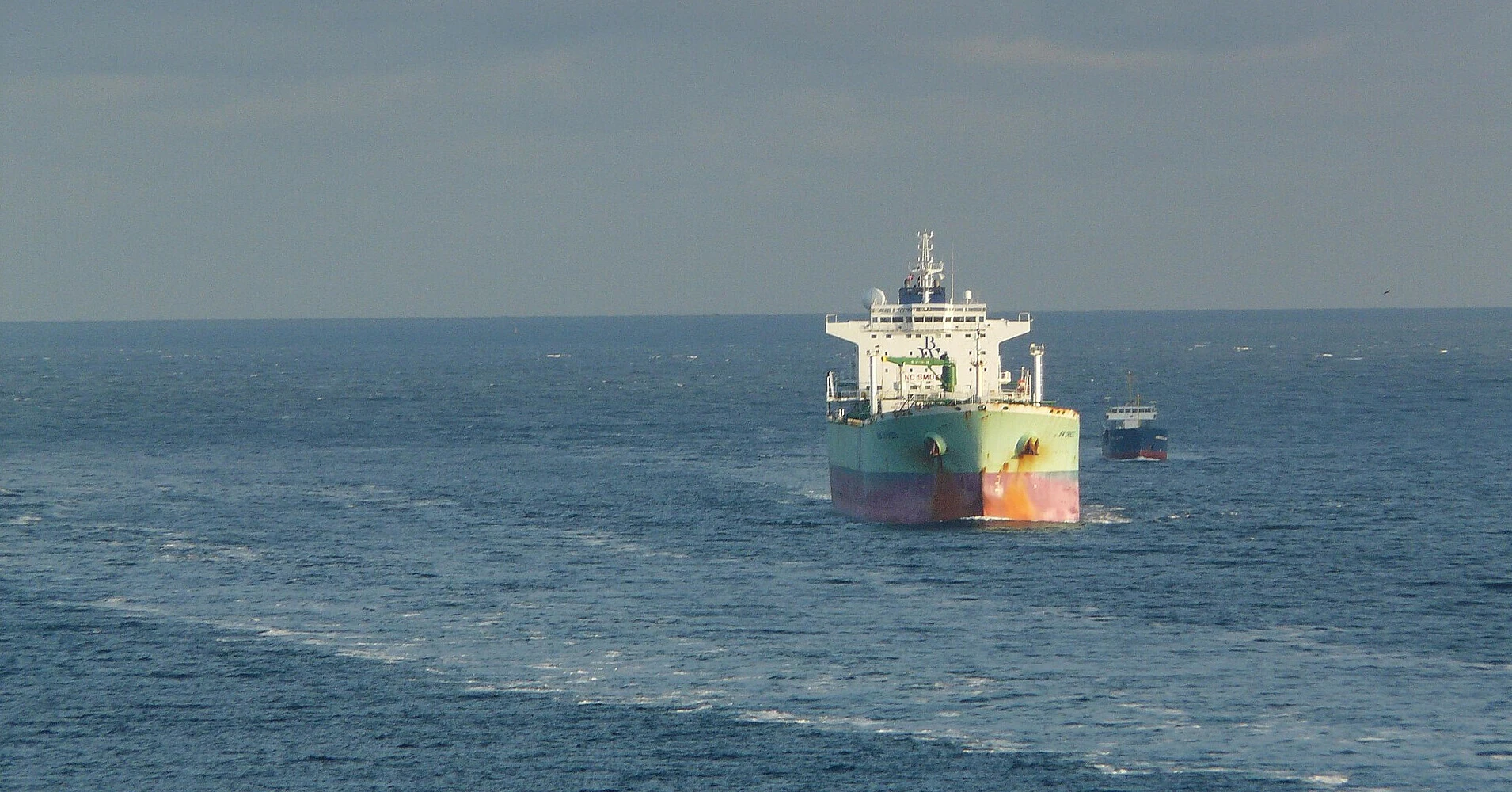
Iran and the US have made opposite statements about who controls the Strait of Hormuz, one of the world's key routes for oil and LNG trade. Tehran says passage through the strait is under its control, while Washington says American forces are in control.
Head of Iran's paramilitary Basij force Hossein Taeb said on August 13 that the Strait of Hormuz is 'under the management and control' of the Islamic Republic. He said Iran continues to operate in the area despite US military pressure.
Later, the Khatam al-Anbiya Central Headquarters, Iran's joint military command, went further. In a statement published by state media, it said no vessel can pass through the Strait of Hormuz without Tehran's permission. Iranian military also rejected US claims of normal and free passage through the route.
These statements came in response to words by US President Donald Trump. The US president claims the US controls the strait and determines which vessels may pass. The US administration earlier reported that American forces continue a naval blockade of Iranian ports and Iran-linked vessels while ensuring passage of neutral commercial traffic.
Shipping remains sharply restricted
The actual situation in the strait is more complex than either side claims. Latest UKMTO data show commercial traffic continues via both the northern route under Iranian control and the southern corridor through Omani waters. At the same time, a US military presence, Iranian vessel monitoring, and high risk of new incidents persist.
By early August, traffic intensity was about 90% below pre-war levels. In the seven days ended August 7, UKMTO recorded 18 full transits from the Persian Gulf and 21 transits in the opposite direction. Both figures were about 4% of the average before the conflict began on February 28.
The Strait of Hormuz has effectively been partially closed since the start of the military conflict on February 28 and US and Israeli strikes on Iran. Previously, about a fifth of global oil and LNG supplies passed through the route. In response to Tehran's actions, the US imposed a naval blockade of Iranian ports and Iran-linked vessels.
US-Iran accord failed
In June, the US and Iran signed an interim agreement providing for restoration of safe commercial shipping. Under the document, Tehran was to facilitate safe passage of merchant ships, and Washington was to gradually lift the naval blockade. It also envisioned Iran-Oman talks on future management of shipping in the strait under international law.
But weeks later the accord began to unravel. Iran resumed limited attacks on vessels that, in Tehran's view, violated the terms. The US then struck targets in southern Iran again, saying the goal was to reduce Tehran's ability to attack commercial shipping.
Iranian military-political official Rasoul Sanai-Rad said on August 13 that Tehran does not intend to fully open the strait until the other side fulfills its obligations. Thus, Moscow and Washington's claims of control do not yet mean a return to normal shipping: traffic remains heavily restricted, and routes operate amid both Iranian and US military presence.
Based on materials from: Reuters, UKMTO, White House
