
Attacks on refineries caused a new wave of fuel shortages in Russia
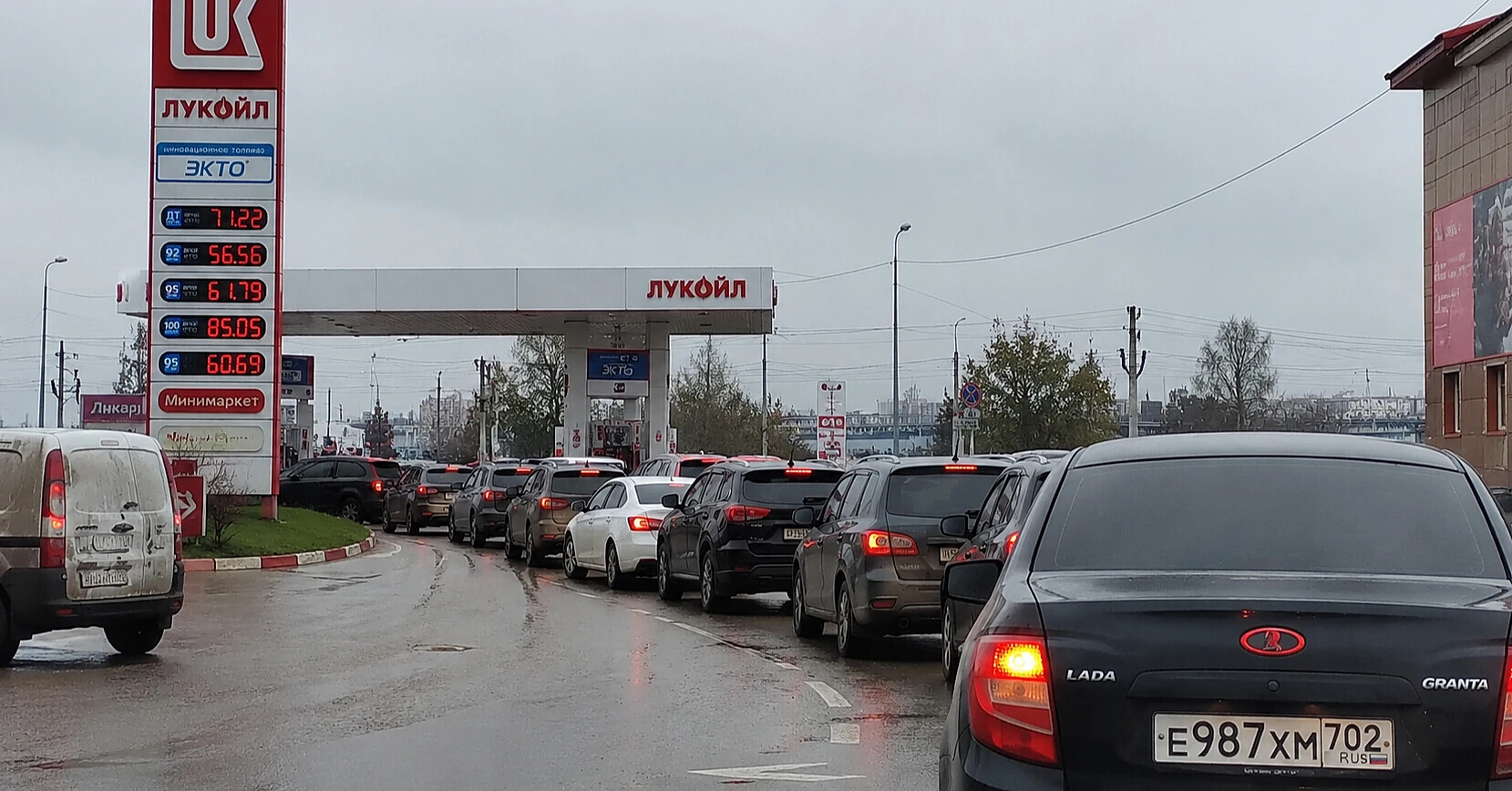
In a number of Russian regions, the shortage of gasoline and diesel fuel has worsened again after a series of Ukrainian strikes on oil refineries. Disruptions are especially noticeable in regions that depend on supplies from damaged enterprises.
One of the most serious episodes was the shutdown of the Orsk oil refinery in Orenburg Oblast. The facility was attacked by Ukrainian drones on August 11. Regional governor Yevgeny Solntsev admitted that key infrastructure was damaged and cannot be quickly restored now.
According to Solntsev, some of the necessary equipment is imported, and sanctions complicate its replacement. As a result, repairs to certain facilities may take up to six months. Regional authorities are preparing for an unfavorable scenario and trying to organize additional fuel supplies from other parts of Russia.
The Orsk refinery can process about 130 thousand barrels of oil per day and produces motor gasoline, diesel, and aviation fuel. Therefore, a prolonged shutdown of the plant creates additional pressure on supplies to Orenburg Oblast and neighboring regions.
Fuel problems in Orenburg region arose even before the latest attack. In July, residents of Orsk and Orenburg reported long queues, closed gas stations, and the absence of certain grades of gasoline. At some private filling stations, prices rose by 15–20%, and authorities negotiated supplies from neighboring regions.
Lipetsk Oblast had also faced restrictions earlier. Due to a shortage of gasoline, they introduced a limit of up to 30 liters per car and a temporary sales scheme on even and odd days depending on the first digit of the vehicle's license plate number. The region was short by about 500 tons of gasoline per day, and authorities linked the deficit to disruptions and damage at Russian refineries.
The new series of strikes continued to increase pressure on Russian oil refining. On August 13, Ukrainian forces reported an attack on the large complex "Gazprom Neftekhim Salavat" in Bashkortostan. A fire broke out at the facility. The enterprise is one of the largest oil refining and petrochemical complexes in Russia.
The fuel crisis in Russia has been going on for several months. Back in June, the shortage spread to the southern regions, Siberia, and Moscow. In some places, authorities and gas station owners introduced restrictions on the volume of a single purchase, and Russia was forced to redistribute fuel between regions and increase imports.
The reason remains the reduction in oil refining after numerous attacks. In the first half of July, Russian refineries processed an average of about 3.91 million barrels of crude oil per day—the lowest in more than 21 years and about 1.4 million barrels per day less than the average level a year earlier. Moscow restricted exports of gasoline, diesel, and aviation fuel, trying to keep more oil products for the domestic market.
Russian authorities have already publicly acknowledged the problem. At the end of June, Vladimir Putin said that motorists and enterprises continue to face disruptions and queues at gas stations, and the required grades of gasoline are not always available.
Ukraine calls strikes on Russian oil infrastructure "long-range sanctions." Kiev says it attacks facilities that provide fuel and income to the Russian economy and military machine, and intends to continue such operations.
