
China launches regular container route to Europe via the Arctic
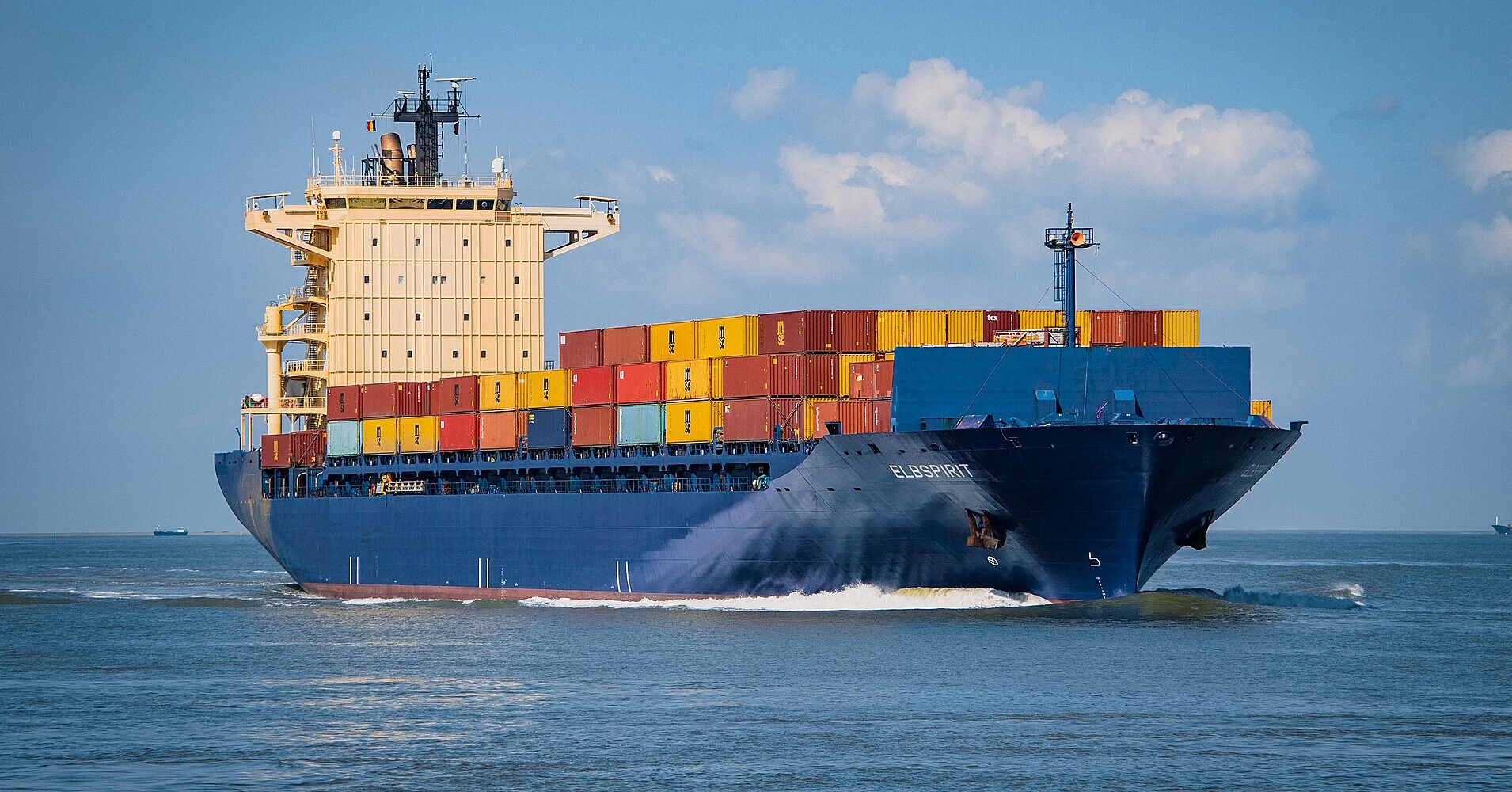
Chinese shipping company Sea Legend Shipping is launching a regular seasonal container route between China and Europe via the Northern Sea Route along the Russian Arctic coast. The first voyage of the season is scheduled for August 15 from the port of Ningbo-Zhoushan, with arrival in the British port of Felixstowe expected in about three weeks.
The new China-Europe Arctic Express (CAX) line will become a development of the experimental voyage completed in 2025. Now the carrier intends to move from individual transits to a regular schedule: from August to early October, eight consecutive voyages are planned approximately once a week. Seven container ships are expected to be used to serve the line.
The first voyage is to be performed by the container ship Dubai Tower. According to the published schedule, the vessel will depart from East China on August 15 and should arrive in Felixstowe on September 5. After the British port, the route provides for further service to European destinations, including Germany.
The main advantage of the Arctic route, according to Sea Legend, is speed. The transit between Ningbo and the UK should take about 20–21 days. By comparison, traditional sea shipping between China and Northern Europe via the Suez Canal may take about 35–40 days. Thus, under favorable ice and weather conditions, transit time can be nearly halved.
Cargo for shipment will be collected not only in Ningbo. Through this hub, the operator plans to accept containers from other major Chinese ports, including Dalian, Qingdao, Shanghai, Fuzhou, Taicang and Nansha. After arrival in Felixstowe, goods can be delivered further to Germany, France, Belgium, the Netherlands, Poland, Sweden, Denmark, Latvia and Estonia.
The route runs along the Northern Sea Route along the Russian Arctic coast. Its use allows vessels between East Asia and Northern Europe to avoid the Suez Canal and the Red Sea. Interest in alternative routes among carriers has grown amid geopolitical risks and security issues on traditional sea routes.
In 2025, a record number of full transit voyages took place along the Northern Sea Route — 23 versus 15 the year before. However, even with the increased number of transits, the Arctic route remains a small part of global container trade and is still largely seasonal.
One of the main reasons is ice conditions. The navigation window in the Arctic is limited to a few months, and conditions can change rapidly. In addition, shipping is complicated by insufficiently developed rescue infrastructure, harsh weather and environmental risks in case of an accident or fuel spill.
The world's major carriers remain cautious about the prospects of the Northern Sea Route. Maersk CEO Vincent Clerc previously noted that for most international cargo, the full commercial competitiveness of the Arctic route remains a distant prospect. Additional obstacles include sanctions and political risks associated with the route passing along Russian territory.
Nevertheless, Sea Legend's decision to organize as many as eight voyages represents a transition to more systematic testing of Arctic logistics. If the carrier manages to maintain the announced weekly schedule and delivery times of around 20 days, the Northern Sea Route will have the first notable example of regular seasonal container service between China and Europe.
Based on materials from: Financial Times, China Daily, Xinde Maritime News
