
Memory price hike hits devices: why interest in used and refurbished iPhones is growing in Japan
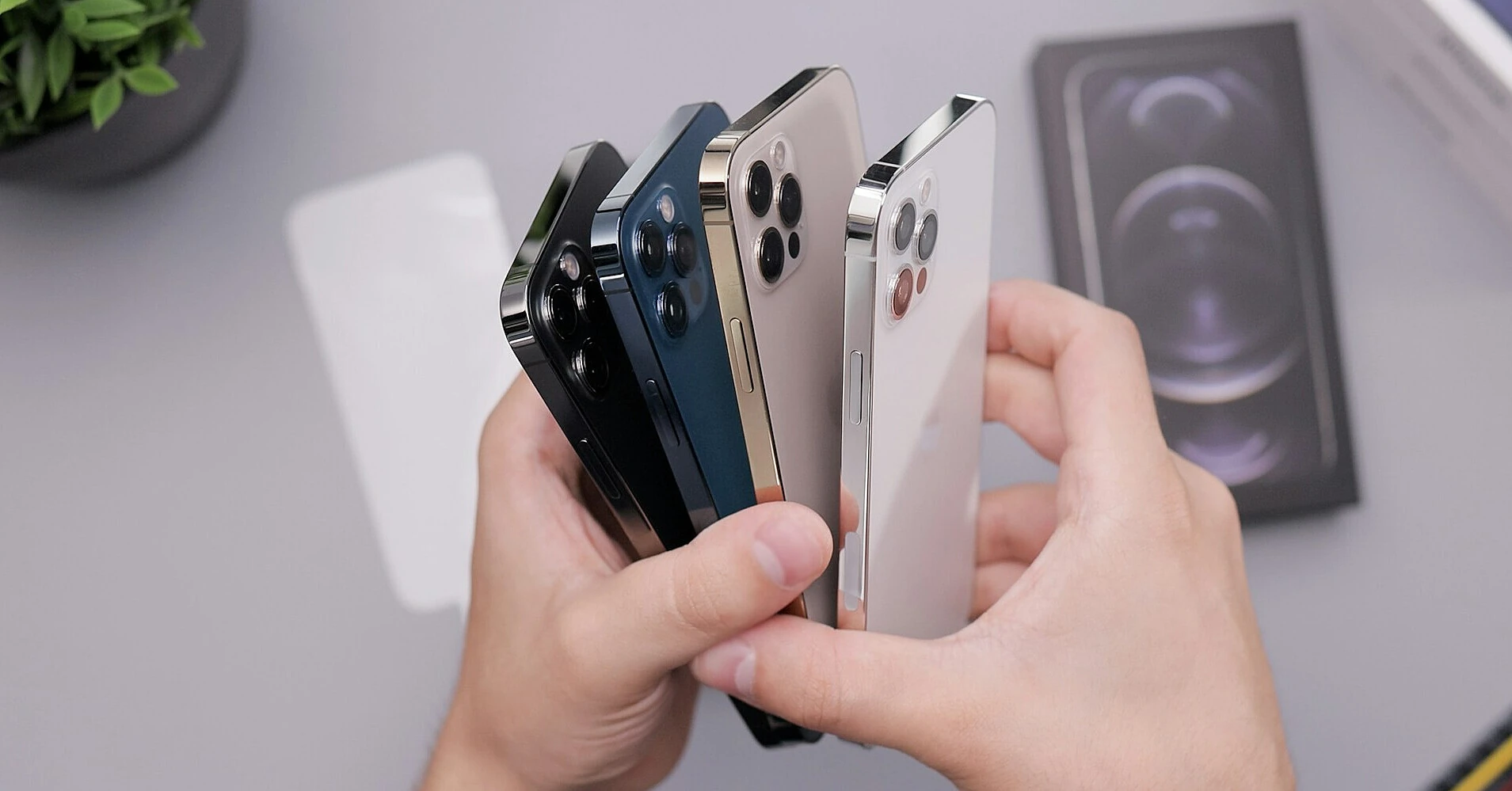
The artificial intelligence boom is unexpectedly affecting not only server prices and chipmaker stocks, but also ordinary smartphones. The sharp rise in demand for memory for AI data centers has led to a shortage of DRAM and NAND — key components of smartphones, computers, and other electronics.
As a result, manufacturers are facing rising costs, and buyers are increasingly turning to used and refurbished devices. This trend is especially noticeable in the smartphone market, including in Japan, where the secondary iPhone market has long been well developed.
Key points:
- AI effect: Mass purchase of high-speed memory for data centers has triggered a chip shortage for ordinary consumer electronics.
- Rising prices for new gadgets: Component price increases are hitting manufacturers — the cost of new flagships is expected to rise noticeably.
- Secondary market boom: In response to price increases, buyers are switching en masse to used devices. In Japan, this trend is especially pronounced in the used iPhone market.
Why memory prices have risen sharply
Modern AI systems require enormous amounts of high-speed memory. The largest technology companies are simultaneously building new data centers and purchasing equipment for training and running artificial intelligence models.
In response, memory manufacturers Samsung Electronics, SK Hynix, Micron and others are redirecting part of their production capacity to the most profitable segments, primarily high-speed memory for AI accelerators. But the same production lines and technologies are needed to produce the regular DRAM and NAND used in smartphones, laptops, and servers.
As a result, supply is not keeping up with demand. Industry analysts estimate that the tightness in the DRAM market will persist into 2027.
Apple has also felt the shortage
Even Apple, which thanks to its scale can usually get favorable terms from suppliers, is already facing a sharp increase in memory costs. The company has warned that memory purchase prices will continue to rise.
Apple's management has acknowledged that it is becoming increasingly difficult to fully offset this increase through its own margins. Analysts expect memory to account for a significantly larger share of the cost of new iPhones than a year ago. TrendForce estimates that the component cost of the iPhone 18 Pro with 256 GB of storage could be about 38% higher than the previous generation, with memory price increase being one of the main factors.
Why AI makes ordinary smartphones more expensive
At first glance, an AI server and an iPhone have almost nothing in common. But they compete for production capacity through the shared semiconductor supply chain. When it is more profitable for memory makers to supply high-margin components for data centers, consumer electronics manufacturers are forced to either pay more or reduce purchase volumes.
Companies pass some of the additional costs on to buyers. Apple is trying to limit price increases for now, but other manufacturers have already raised prices for computers and components. Budget and mid-range smartphones are considered the most vulnerable, as memory accounts for a significant share of the total device cost.
Buyers are increasingly looking at used devices
Rising prices for new electronics are fueling another trend — the growth of the secondary market. For a buyer, a used flagship from two or three years ago often remains powerful enough for everyday tasks but costs significantly less than a new model.
According to Counterpoint Research, sales of refurbished smartphones worldwide were growing even before the current memory shortage worsened. In 2026, analysts expect further expansion of the secondary market as new devices become more expensive. Surveys also show growing buyer interest in certified pre-owned devices.
Why iPhones are especially noticeable
Apple devices have several features that support high demand in the secondary market. iPhones receive software updates for many years, so even previous-generation devices can remain relevant.
In addition, Apple has well-developed trade-in programs, and a significant portion of old phones return to the market through carriers, stores, and specialized platforms. In Japan, the used iPhone market is especially developed. Local sellers offer models of different generations and conditions, and high prices for new devices make these offers an increasingly visible alternative.
Used devices may also become more expensive
However, growing demand in the secondary market does not necessarily mean that used devices will become cheaper. If new devices become more expensive, owners replace smartphones less often, meaning fewer fresh models enter the secondary market.
At the same time, the number of buyers looking for a more affordable alternative to new devices is increasing. This creates double pressure: demand is rising while supply may shrink. Analysts already admit that the usual annual decline in used smartphone prices may slow down.
Servers need even more memory
The same problem is felt even more strongly in enterprise hardware. Modern servers require enormous amounts of RAM and storage. Even an ordinary business server can come with hundreds of gigabytes of DRAM, while AI systems need significantly larger amounts of specialized memory.
Therefore, rising memory prices increase the cost of both new servers and their upgrades. Against this backdrop, companies are starting to use existing equipment longer, buy refurbished servers, or upgrade old systems instead of full replacement.
AI is changing the entire electronics market
A few years ago, the artificial intelligence boom was seen primarily as an opportunity for Nvidia and server hardware manufacturers. Now its consequences are becoming visible to ordinary consumers.
Data centers are competing with smartphones and computers for production capacity, memory manufacturers are gaining record-strong bargaining positions, and buyers are facing more expensive new devices.
As a result, the secondary market is turning from a niche way to save money into a full-fledged part of the technology economy. And if the memory shortage persists, buying a used iPhone, laptop, or server may become an increasingly common solution — not only in Japan but also in other countries.
Based on materials from: ITmedia, TECH+, Assurant / Counterpoint Research
