
Trump demanded Congress pass key cryptocurrency market law
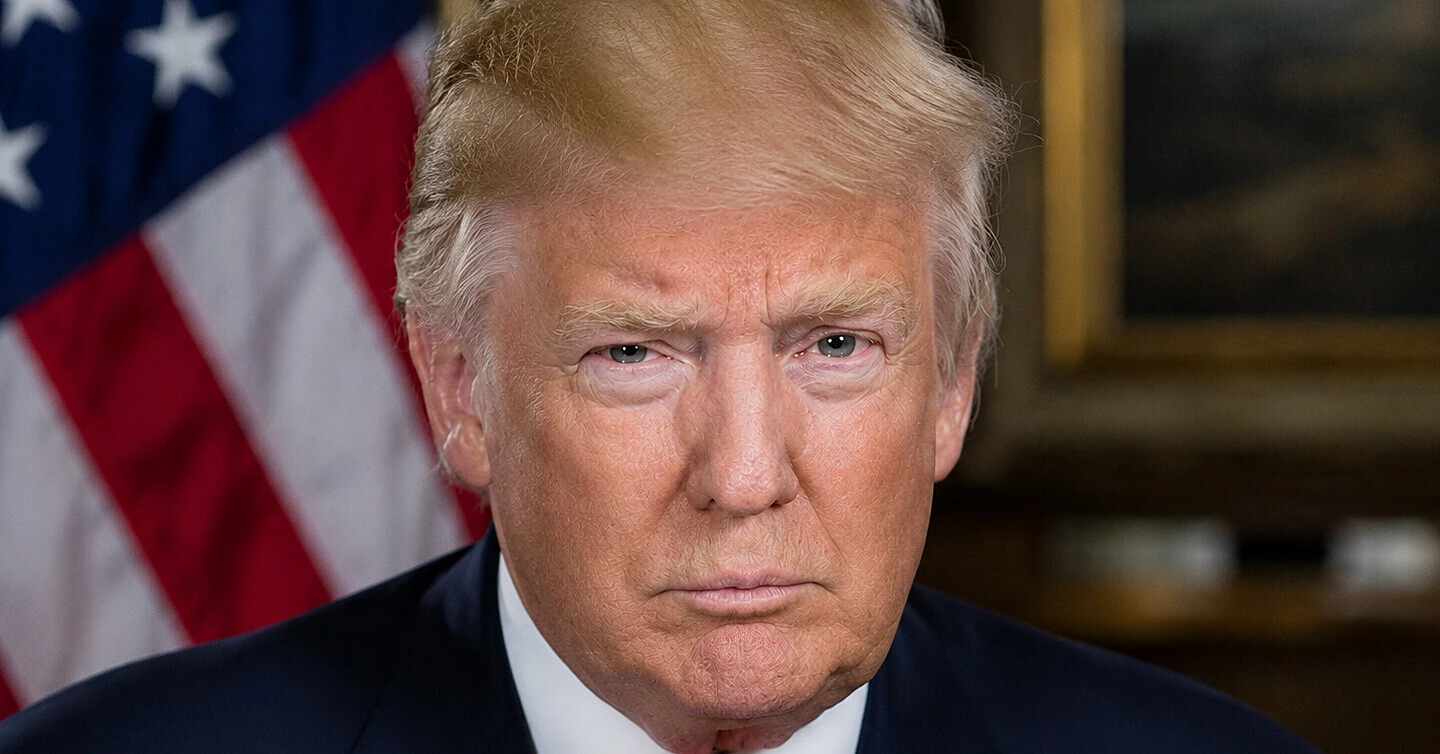
US President Donald Trump called on Congress to pass the CLARITY Act, one of the key bills that would establish uniform rules for the US digital asset market. He made the statement on August 19 at a White House meeting with heads of major cryptocurrency and financial companies.
Trump said the US needs to take the next step and pass a "fair version" of the CLARITY Act. According to him, the new rules should help the country maintain leadership in digital assets and outpace China in the development of financial technologies.
The meeting was attended by Coinbase CEO Brian Armstrong, Ripple CEO Brad Garlinghouse, Kraken co-CEO Arjun Sethi, Robinhood CEO Vlad Tenev, Gemini founders Cameron and Tyler Winklevoss. Nasdaq and Intercontinental Exchange leaders, SEC Chairman Paul Atkins and CFTC Chairman Mike Selig also joined the discussion.
What the CLARITY Act will change
The CLARITY Act would create a federal regulatory system for digital assets and more clearly divide authority between the US Securities and Exchange Commission (SEC) and the Commodity Futures Trading Commission (CFTC). The bill also provides rules for cryptocurrency exchanges, brokers and other market participants.
The House of Representatives approved the initial version of the document back on July 17, 2025, with 294 votes in favor and 134 against. After that, the bill moved to the Senate, where its text was reworked for several months. In May 2026, the leadership of the Banking Committee introduced a new compromise version prepared after negotiations with lawmakers, regulators and financial sector representatives.
"Kurs Ukrainy" previously wrote that the passage of the CLARITY Act could significantly change the rules for American crypto exchanges, stablecoins and DeFi projects, and also define the boundaries of SEC and CFTC control.
Several contentious issues remain in the Senate
The bill's progress has stalled due to disagreements among senators. One of the main disputes concerns ethics and conflict-of-interest rules for high-ranking government officials with financial interests in digital assets. Democrats also demand stronger norms against illegal use of cryptocurrencies and additional investor protections.
Despite disagreements, the bill has already received a path for consideration in the Senate. Republican Majority Leader John Thune filed a motion to end debate and proceed to consideration of the document. The first procedural vote is scheduled for September 15. Supporters of the law will need 60 votes to overcome this stage.
This vote will not yet mean final passage of the CLARITY Act. If senators support moving to consideration, they will need to reconcile contentious provisions, vote on the final version and, if necessary, resolve differences with the document previously passed by the House of Representatives.
Based on materials from: Bloomberg, US Senate Banking Committee, US Congress
