
Fires end, but the trauma remains: PTSD manifestations and when to seek help
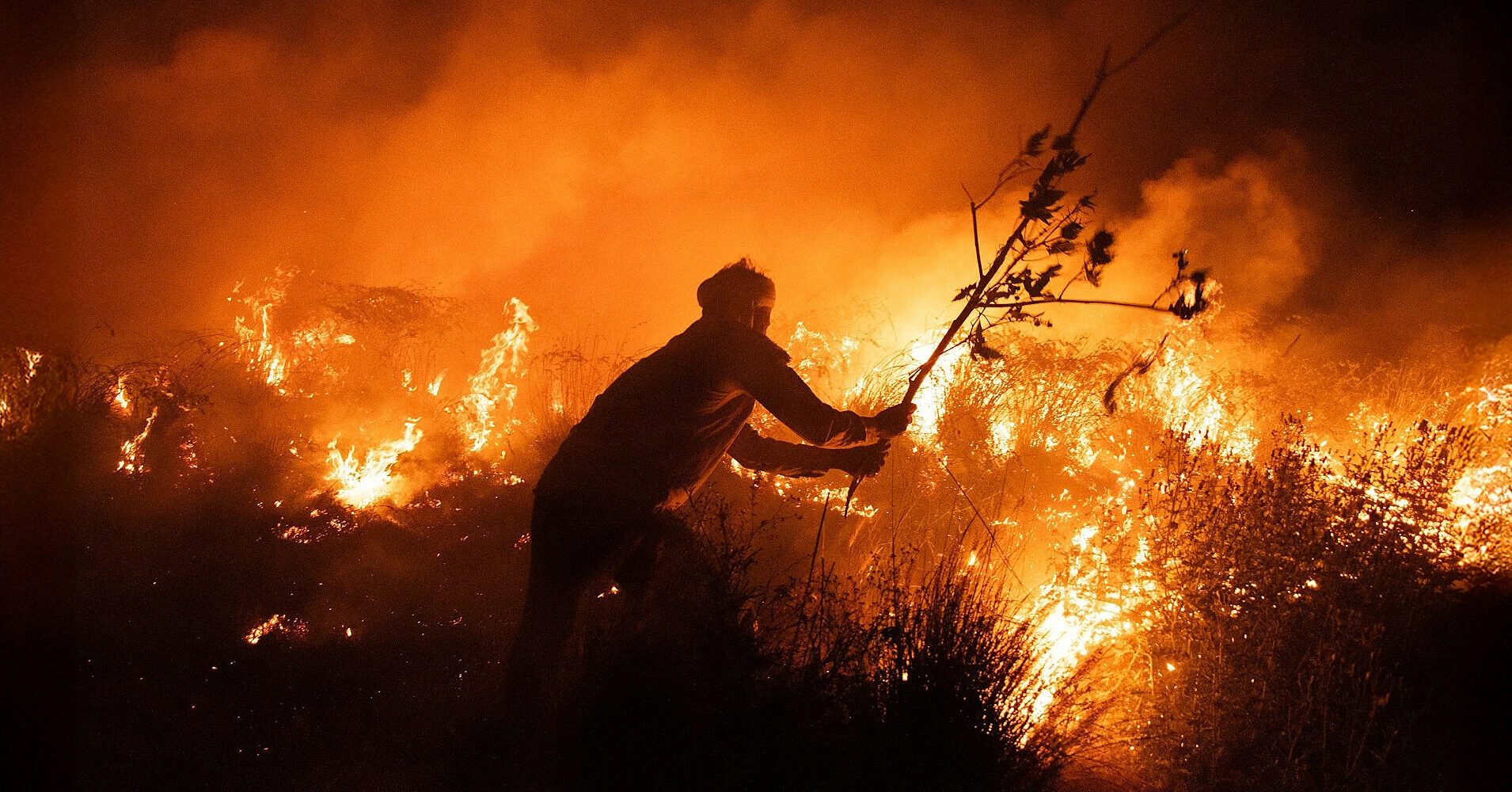
A forest fire may be extinguished within a few days, but for people who fled from the flames, feared for their lives, or lost their homes, the consequences can last much longer. The smell of smoke, the siren of a fire truck, or strong wind months later can suddenly bring back the feeling of danger.
A new meta-analysis published in June 2026 in the Journal of Traumatic Stress shows the scale of the problem. Scientists combined the results of 33 studies of adults and children who survived wildfires and found persistently elevated rates of post-traumatic stress disorder (PTSD), depression, and anxiety disorders.
It is important to note: severe psychological consequences do not occur in every person who experienced a fire. Most people gradually recover. But the risk is significantly higher for those who directly saw the fire, feared for their lives, were evacuated, injured, or lost loved ones or their homes.
What the new analysis of 33 studies showed
The authors of the meta-analysis examined studies of people of different ages exposed to wildfires. The pooled prevalence of PTSD in the studied groups was 26.6%, depression — 28.9%, anxiety disorders — 25.2%.
These figures cannot be interpreted as a forecast for every person near a forest fire. The studies included different groups — from residents of areas with varying degrees of exposure to people who directly experienced evacuation and destruction. In addition, the rates depended on how much time had passed since the disaster.
However, the researchers found an important pattern: problems did not disappear immediately after the emergency ended. Even several months later, the prevalence of each of the three studied conditions remained above 14%.
This is one of the arguments in favor of the idea that psychological help after major fires may be needed not only in the first days of evacuation, but also much later.
Why fire has a particularly strong effect on the psyche
A forest fire differs from many other emergencies in its unpredictability. The direction of the fire can change quickly due to wind, and an evacuation order sometimes gives people only minutes to decide what to take and where to go.
The U.S. National Center for PTSD notes several factors that particularly increase psychological burden:
- direct threat to life;
- injuries;
- urgent evacuation and forced relocation;
- loss of home or significant property;
- separation from loved ones;
- death of family members, friends, or neighbors;
- health concerns due to smoke and air pollution;
- uncertainty about returning home.
Moreover, stress often does not end after the fire trucks return to the station. Another phase begins: insurance claims, repairs or complete rebuilding of the home, finding temporary housing, job loss, changing schools for children, and financial problems.
For the psyche, this means that the initial threat is replaced by a long period of uncertainty.
Poor sleep and fear after a fire do not yet mean PTSD
After a life-threatening experience, a person may have difficulty sleeping, may constantly recall the event, become irritable, startle at sudden noises, or feel on edge.
Such reactions in the first weeks after a severe event are common and by themselves do not mean that a person has developed post-traumatic stress disorder.
The National Center for PTSD notes that most people after a traumatic event gradually begin to feel better. For a PTSD diagnosis, symptoms must persist for more than a month, meet certain diagnostic criteria, and noticeably interfere with daily life.
Characteristic manifestations of PTSD may include intrusive memories of the event, avoidance of anything reminiscent of the fire, constant hypervigilance, sleep and concentration problems, irritability, and changes in emotional state.
Why the smell of smoke can trigger fear again
One feature of experienced trauma is that the brain associates the dangerous event with surrounding cues.
After a forest fire, such reminders can include the smell of smoke, the sound of a siren, a fire engine, strong wind, dry hot weather, or a report of a new fire nearby.
The National Center for PTSD specifically draws attention to this problem in regions where fires recur. People may encounter such reminders annually, and a new fire season can once again intensify anxiety.
This can be especially hard for those who have already escaped from rapidly approaching fire or lost property.
Consequences sometimes appear years later
Studies of major fires show that for some people, psychological effects are very long-lasting.
After the devastating "Black Saturday" fires in the Australian state of Victoria, scientists followed survivors for ten years. The study showed that in some people, adjustment problems persisted for years, and financial and family difficulties after the disaster were associated with a risk of more serious psychological problems later on.
Another well-studied example is the 2016 fire in Fort McMurray, Canada, which led to the evacuation of more than 90,000 residents. Studies have found elevated rates of PTSD, depression, and anxiety 18 months after the disaster, and the condition of part of the population continued to be studied five years later.
This shows an important feature of natural disasters: psychological impact is determined not only by what a person experienced directly during the fire, but also by what happened to his or her life afterward.
Children can also experience the event for a long time
Children and adolescents are not protected from the consequences simply because adults try to shield them from details.
After a fire, a child may be afraid to be alone, sleep worse, become more irritable or anxious, avoid talking about the event, or conversely, return to it again and again.
After the Fort McMurray fire, a study of more than 3,000 schoolchildren 18 months later found elevated rates of PTSD symptoms, depression, and anxiety. More severe direct exposure to the fire was associated with worse psychological outcomes.
However, the recent meta-analysis of 33 studies found no statistically significant overall difference between adults and young people in the prevalence of the studied disorders. That is, age may not be the most important factor; the degree of experienced threat, losses, and subsequent stress may matter more.
What helps recovery after a fire
Psychological recovery is not reduced to a single conversation or universal advice. In the first weeks after a disaster, the most important tasks are restoring a sense of safety and control over one's own life.
Specialists from the National Center for PTSD highlight several things that can support recovery:
- returning to a clear daily routine;
- contact with family, friends, and other trusted people;
- gradually solving practical problems in small steps;
- reducing the amount of news and disaster footage if they increase anxiety;
- returning to familiar physical and social activity;
- community and neighbor support.
Social connections are especially important. After a major fire, not only the individual is traumatized — the life of the entire community is disrupted. At the same time, the community itself can become an important source of support: people share experiences, help with housing, transportation, home repairs, and the return to normal life.
When to seek help
Strong emotions immediately after a disaster are not unusual. But if after a while fear, memories, sleep disturbances, anxiety, or depression remain so pronounced that the person finds it difficult to work, study, interact with loved ones, or perform ordinary daily tasks, experts recommend discussing the condition with a doctor or mental health specialist.
People who faced direct danger, were injured, lost loved ones or their homes, or were forced to leave their homes for a long time may need special attention.
The key is not to consider every reaction after a fire as an illness, but also not to expect the psyche to automatically "switch over" the moment the fire is put out.
A fire ends when the flames disappear. For a person, recovery can begin only after that — and sometimes it takes months or years.
